FICHE TECHNIQUE
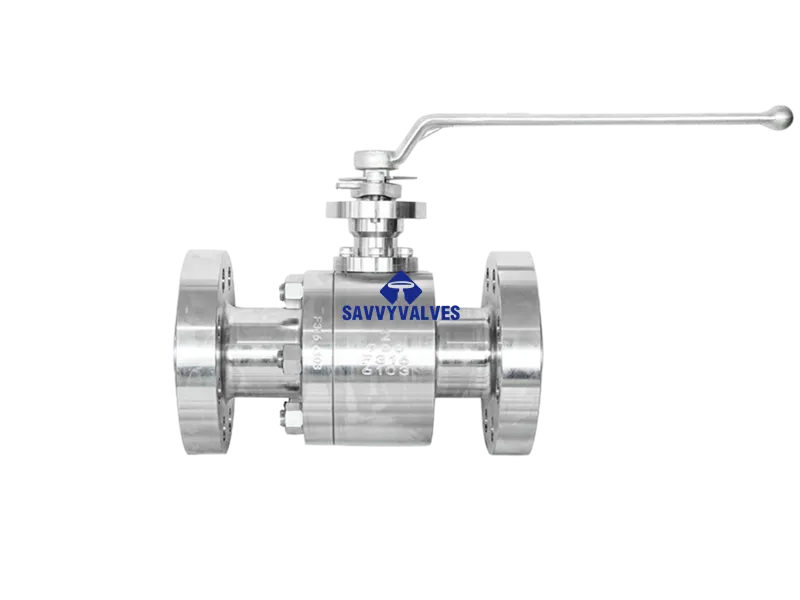
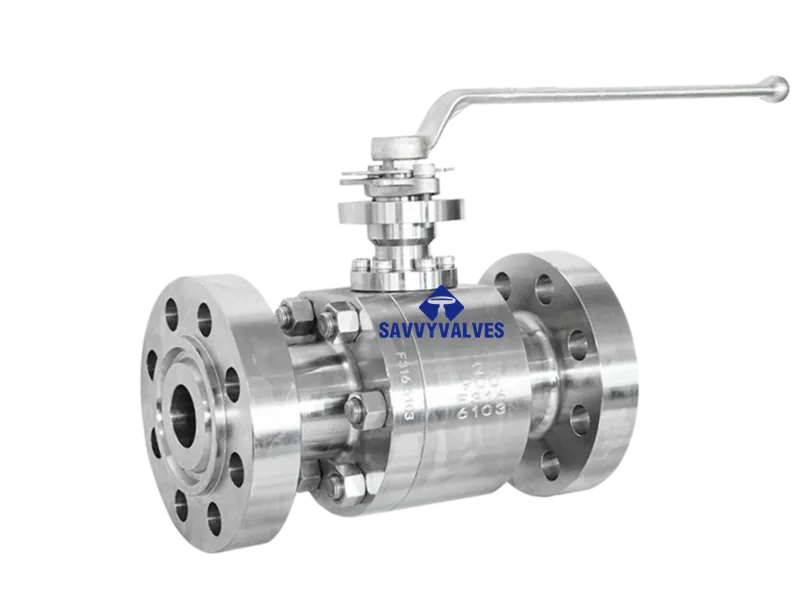
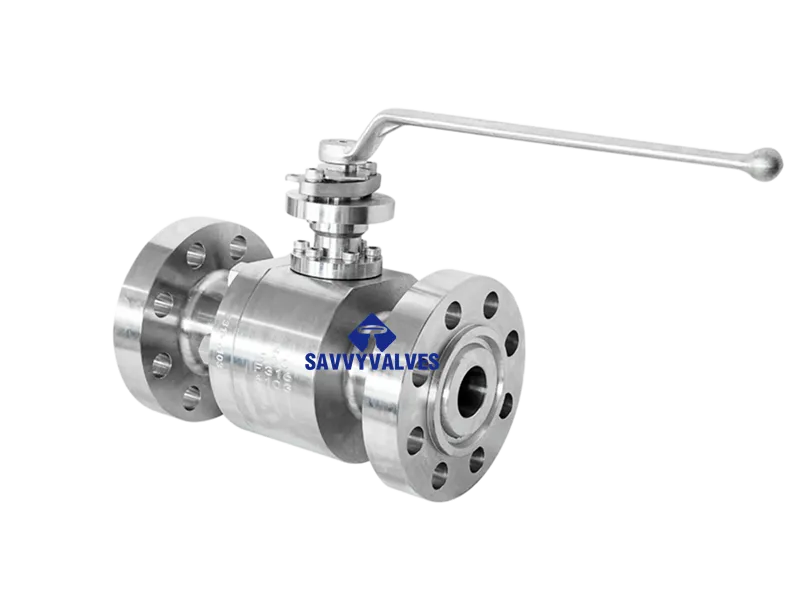
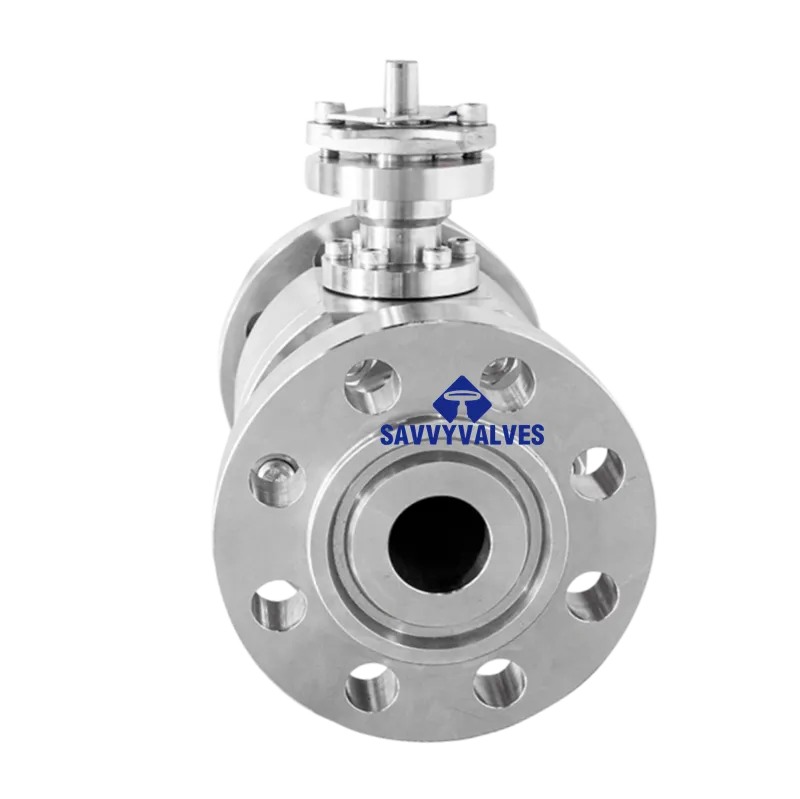
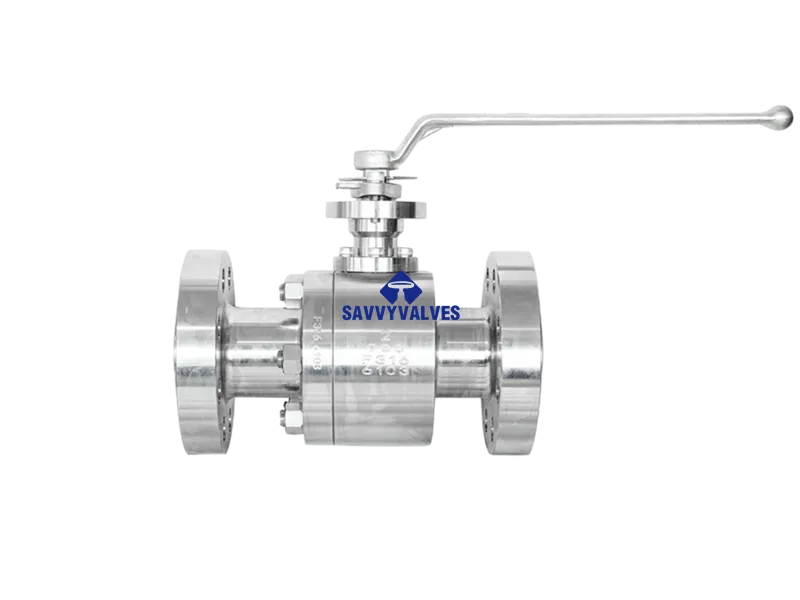
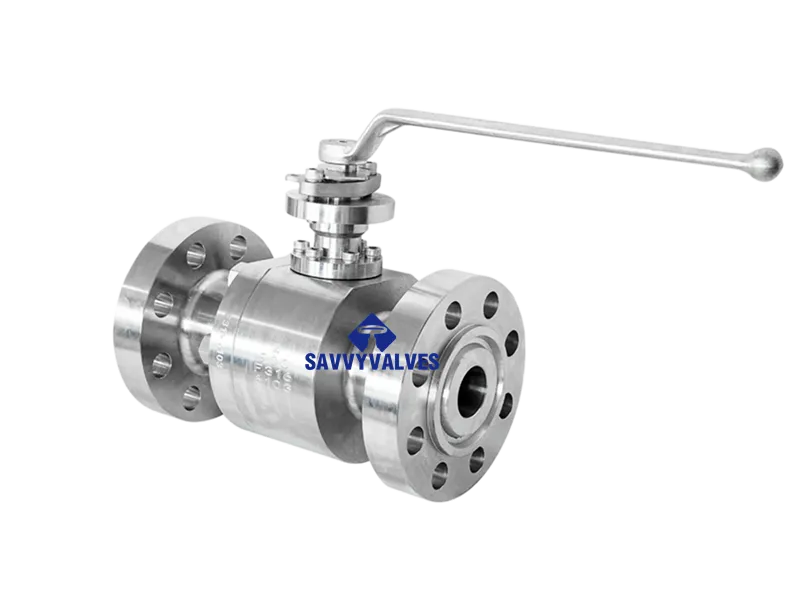
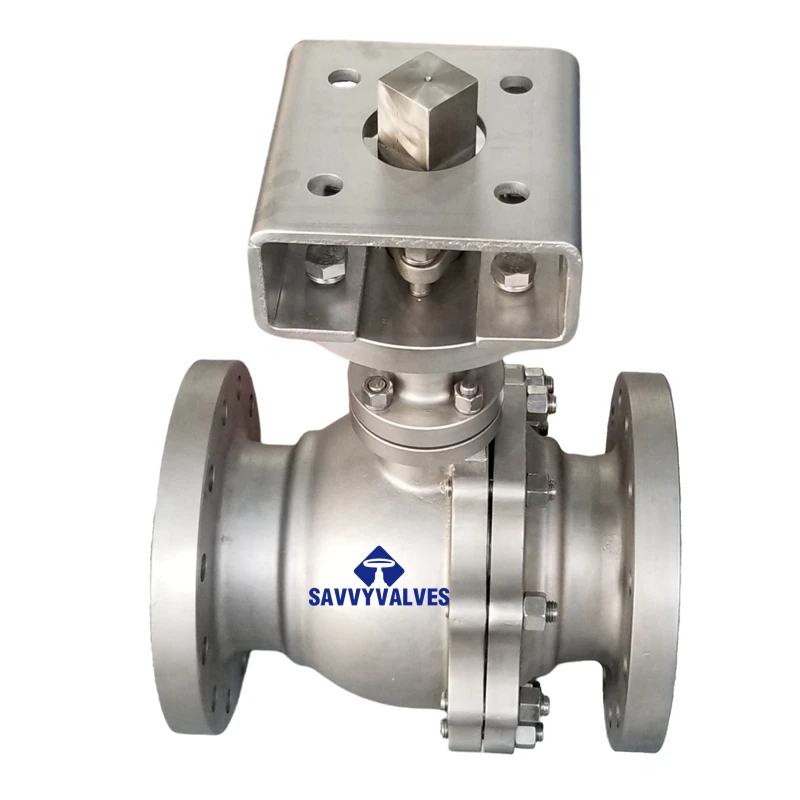
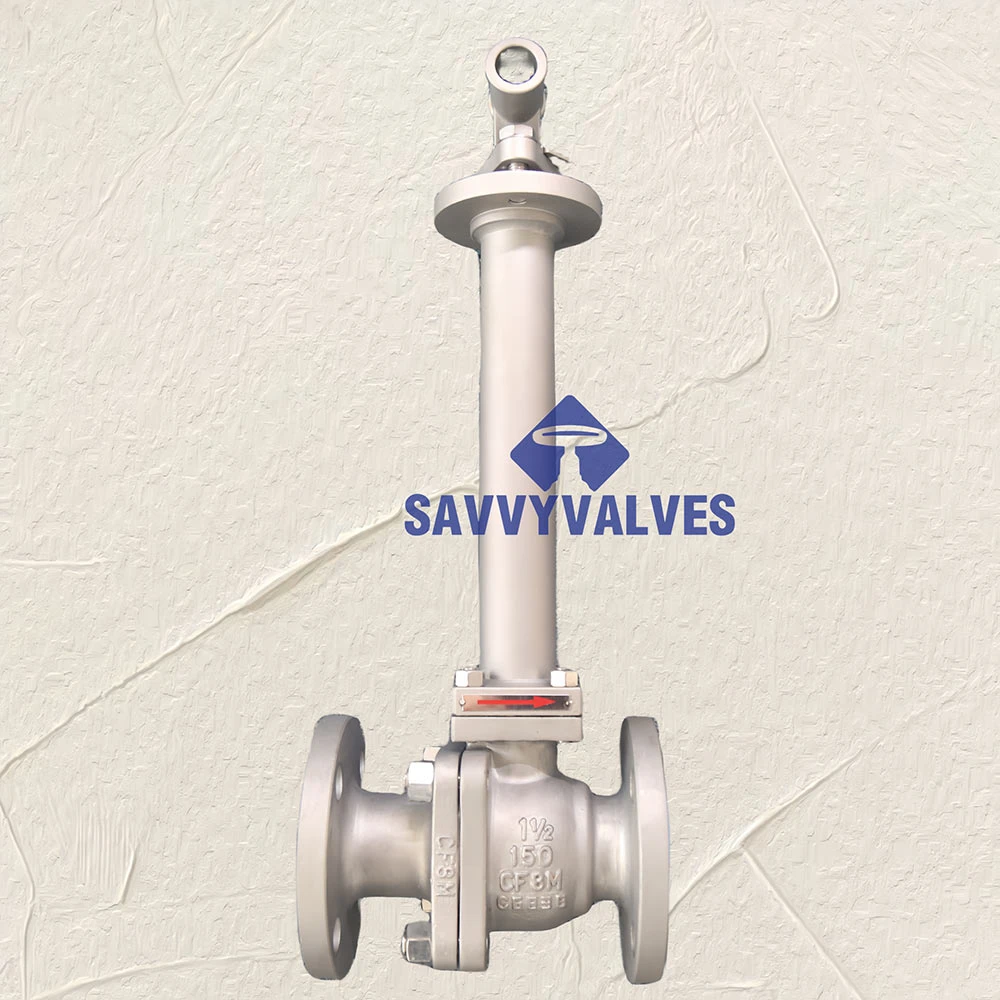
Product Name: 2-inch 900LB 2-Piece Cryogenic Floating Ball Valve
Model/Specification: 2″-900LB-CRYO-2PC-RTJ
Type de vanne: 2-Piece Floating Ball Valve (Cryogenic Service)
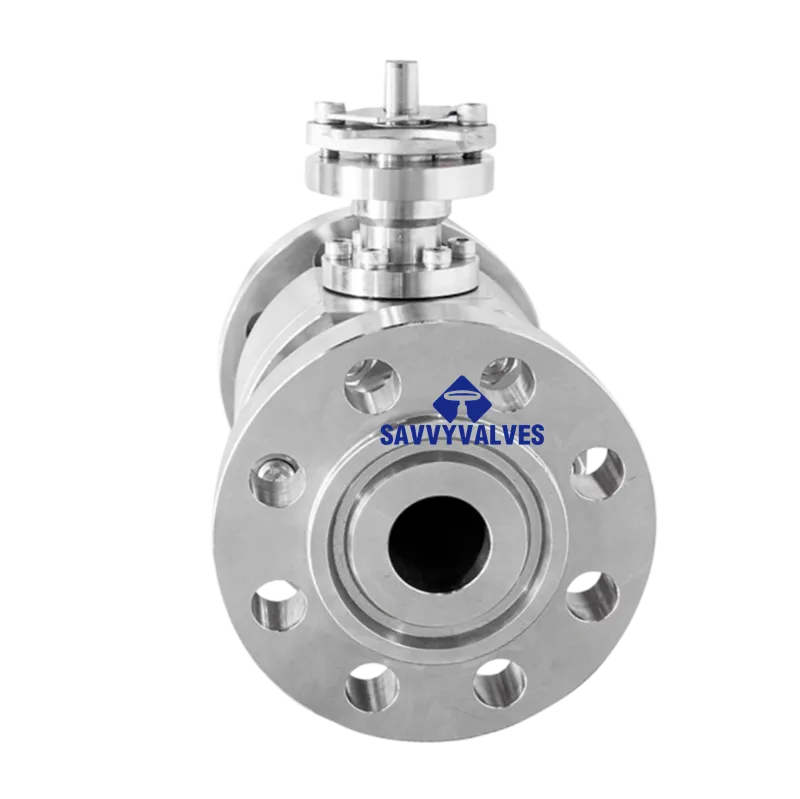
Connection Type: RTJ Flanged (Ring Type Joint) – ASME B16.5
Matériau du corps: Stainless Steel – ASTM A182 F316
|
Paramètre |
Standard/Specification |
|
Taille |
2 inches (DN50) |
|
Classe de pression |
Class 900 LB (PN150 / 2250 PSI) |
|
Matériau du corps |
Forged Stainless Steel – ASTM A182 F316 |
|
Manufacturing Process |
Forged Steel (Close Die Forged) |
|
Norme de conception |
API 608 / API 6D / ASME B16.34 / BS 6364 (Cryogenic) |
|
End Connection Standard |
ASME B16.5 – RTJ Flanged (Ring Type Joint) |
|
Face to Face Standard |
ASME B16.10/API 6D |
|
Test & Inspection Std. |
API 598 / BS 6364 (Cryogenic Test) |
|
Fire-Safe Design |
API 607 / API 6FA (Optional) |
|
Émission fugitive |
ISO 15848-1 (Optional) |
|
Paramètre |
Détails |
|
Type de vanne |
2-Piece Floating Ball Valve, Bolted Body Construction |
|
Body Type |
Two-Piece Bolted Body with Side Entry |
|
Bonnet Type |
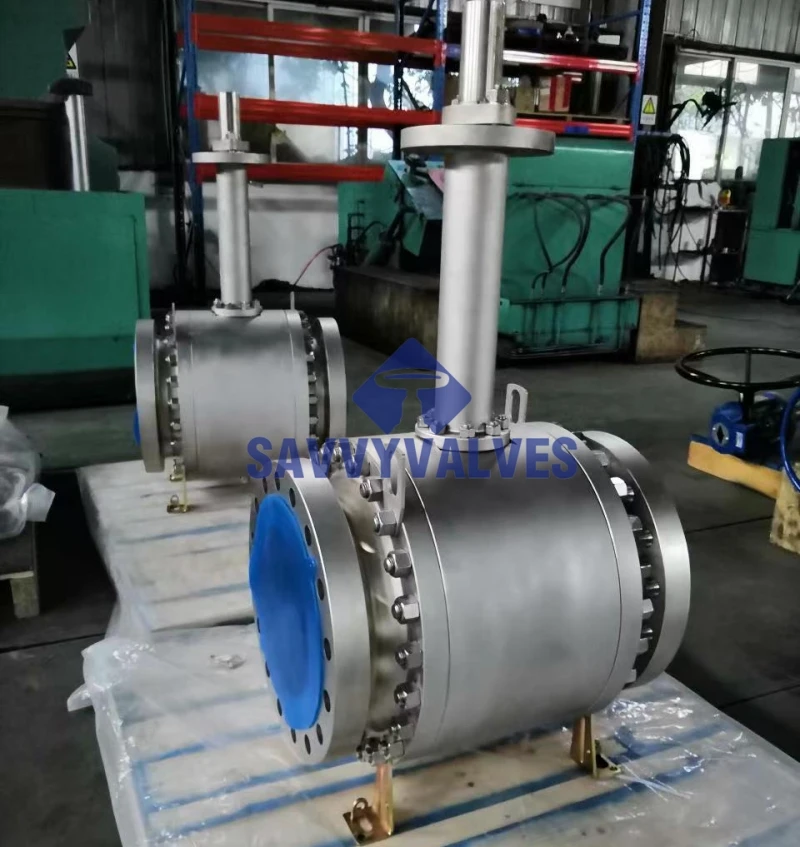
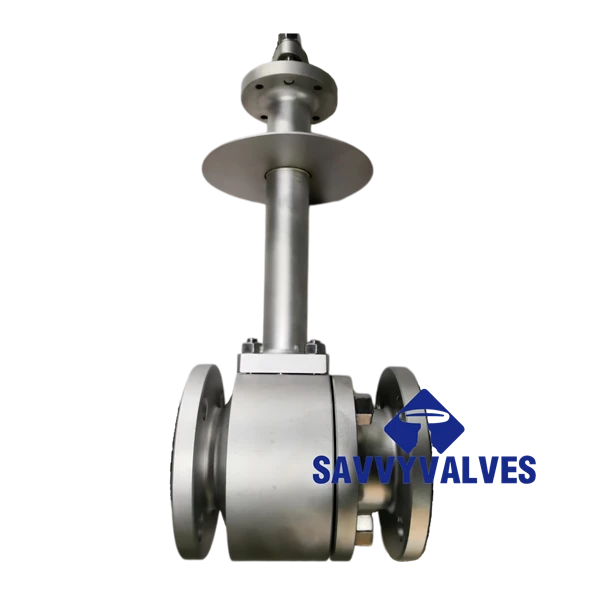
Extended Bonnet (for Cryogenic Service) |
|
Service Temperature |
-196°C to +120°C (with PCTFE seats) / Up to +200°C (with PEEK) |
|
Médias applicables |
LNG, LOX, LIN, LAr, Ethylene, LPG, and other cryogenic fluids |
|
Type d'alésage |
Full Bore (Standard) / Reduced Bore (Optional) |
|
Ball Type |
Floating Ball (pressure-assisted sealing) |
|
Type de siège |
PCTFE / PEEK (Cryogenic grade soft seats) |
|
Sealing Principle |
Upstream sealing – ball floats against downstream seat under pressure |
|
Opération |
Lever Handle / Gearbox / Pneumatic Actuator / Electric Actuator |
|
Dispositif antistatique |
API 608 / API 6D Requirement (Standard) – Spring-loaded ball between ball and stem |
|
Blow-Out Proof Stem |
Standard |
|
Cavity Pressure Relief |
Self-relieving seat design / Relief hole in ball |
|
Bonnet Installation |
Integral extended bonnet with drip plate (ice prevention) |
|
Dispositif de verrouillage |
Available for safety lockout |
|
Part Name |
Matériel |
Standard/Grade |
|
Body (2 pieces) |
Forged Stainless Steel – F316 |
ASTM A182 F316 |
|
End Connector (RTJ) |
Forged Stainless Steel – F316 |
ASTM A182 F316 |
|
Balle |
Stainless Steel – F316 (Hardened, Chrome plated optional) |
ASTM A182 F316 |
|
Tige |
Stainless Steel – F316 / 17-4PH |
ASTM A182 F316 / 17-4PH |
|
Anneaux de siège |
PCTFE (KEL-F®) / PEEK |
Cryogenic grade, self-relieving |
|
Body Gasket |
Spiral Wound |
Stainless Steel + Graphite |
|
Stem Seals / Packing |
PCTFE / Flexible Graphite |
Low temperature stable materials |
|
Thrust Bearings |
PTFE + Stainless Steel |
Self-lubricating |
|
Dispositif antistatique |
Stainless Steel Ball + Spring |
316 SS |
|
Body Bolts/Nuts |
Stainless Steel – B8 / 8 |
ASTM A193 B8 / A194 8 |
|
Drip Plate |
Stainless Steel – F316 |
Welded to bonnet |
|
Handle / Gear |
Stainless Steel / Carbon Steel |
With locking option |
Note: Dimensions for 2″ Class 900 RTJ Flanged Cryogenic Ball Valve. Based on ASME B16.10, API 6D, and industry standards for cryogenic extended bonnet.
4.1 End-to-End Dimensions (Face-to-Face – RTJ)
|
Taille |
Classe de pression |
L (RTJ) mm |
L (RTJ) in |
H (Open) mm |
H (Open) in |
W (Gear) mm |
Weight (approx. kg) |
|
2″ |
900LB |
368 |
14.5 |
~450 |
~17.7 |
~350 |
~60-80 |
Note: Height (H) includes extended bonnet for cryogenic service. Weight depends on actuator/gearbox choice.
4.2 RTJ Flange Details (Per ASME B16.5 – Class 900)
|
Paramètre |
2″ RTJ Flange |
|
Flange Diameter (OD) |
215 mm (8.5 in) |
|
Bolt Circle Diameter (PCD) |
165.1 mm (6.5 in) |
|
Number of Bolt Holes |
8 |
|
Bolt Hole Diameter |
25.4 mm (1.0 in) |
|
Bolt Thread Size |
7/8″ UNC |
|
RTJ Groove Number |
R-20 or RX-35 (per ASME B16.20) |
|
Groove Depth |
8.5 mm (0.33 in) approx. |
|
Hub Diameter |
127 mm (5.0 in) |
|
Ring Gasket Material |
Soft Iron / Stainless Steel (as per service) |
4.3 Extended Bonnet (Cryogenic Feature)
*Material Group: Stainless Steel – ASTM A182 F316 with PCTFE/PEEK seats*
|
Température (°C) |
Working Pressure (bar) |
Working Pressure (psi) |
Notes |
|
-196 to -46 |
150 |
2175 |
Cryogenic Range (BS 6364 certified) |
|
-29 to 38 |
150 |
2175 |
Maximum Rating (Class 900) |
|
50 |
148 |
2145 |
|
|
100 |
140 |
2030 |
|
|
150 |
132 |
1915 |
Max for PCTFE |
|
200 |
124 |
1800 |
With PEEK seats |
*Note: For cryogenic service (below -46°C), valves are tested and certified per BS 6364 at -196°C.*
|
Type d'essai |
Medium |
Pressure (bar) |
Pressure (psi) |
Critères d'acceptation |
|
Shell Test (Hydrostatic) |
Eau |
225 |
3260 |
1.5 x 38°C Rating (no visible leakage) |
|
Test de siège haute pression |
Eau |
165 |
2390 |
1.1 x 38°C Rating (Zero leakage – soft seats) |
|
Test de siège basse pression |
Air / N2 |
5.5 – 7.0 |
80 – 100 |
Bubble-tight |
|
Cryogenic Seat Test |
Helium / N2 |
@ Rated Pressure |
@ Rated Pressure |
Per BS 6364 at -196°C |
|
Paramètre |
Valeur |
|
Port Diameter (Full Bore) |
~51 mm (2.0 in) |
|
Flow Coefficient Cv (approx) |
~150 – 200 (typical for 2″ full bore ball valve) |
|
Flow Coefficient Kv (approx) |
~130 – 170 |
|
Caractéristique de débit |
Quick Opening (On-Off) |
|
Shut-off Class |
API 598 / BS 6364 (Zero Leakage – Soft Seat) |
|
Type d'alésage |
Full Bore (minimal pressure drop) |
|
Fonctionnalité |
2-Piece Construction |
3-Piece Construction |
|
Body Joints |
One bolted joint (body to end cap) |
Two bolted joints (end caps to center body) |
|
In-Line Maintenance |
Limited – requires removal from line for full trim access |
Easy – end caps can be removed without taking valve out of line |
|
Poids |
Lighter |
Slightly heavier |
|
Cost |
Lower |
Higher |
|
Typical Use |
General purpose, cost-sensitive |
High-maintenance, frequent cleaning applications |
*For cryogenic service, 2-piece design offers reliable performance with fewer potential leak paths.*
Please specify when ordering:
*Disclaimer: The above data is prepared based on common industry standards (API 608, API 6D, ASME B16.34, BS 6364) for 2-piece cryogenic floating ball valves with RTJ ends . RTJ flanges provide reliable metal-to-metal sealing at high pressures and low temperatures. Specific dimensions may vary by manufacturer. The final technical agreement and certified drawings shall prevail.*
GARANTIE:
SAVVY VALVES s'engage à fournir une qualité de produit exceptionnelle et un service après-vente sans souci. Nos vannes sont garanties pour une durée de vie minimale de 12 mois, pendant laquelle nous fournirons gratuitement toutes les pièces de rechange nécessaires et les instructions de maintenance détaillées. Pendant la période de garantie, si des dommages non provoqués par l'homme se produisent, nous remplacerons les composants sans frais et fournirons une assistance technique professionnelle. Une fois la garantie expirée, les clients ne doivent payer que le coût des pièces de rechange, tout en bénéficiant de services de maintenance à prix réduit. Notre objectif est d'aider nos clients à réduire leurs coûts opérationnels et à améliorer l'efficacité de leur production grâce à une qualité fiable et à un service après-vente complet. Qu'il s'agisse de demandes techniques ou de besoins de maintenance, notre équipe d'experts répondra rapidement pour garantir que votre système de vannes maintient des performances optimales à tout moment.




 French
 English