High-Performance awh butterfly valves Solutions for Venezuela

Engineering precision control for the Venezuelan oil, gas, and chemical sectors with advanced pneumatic actuation and industrial durability.

High-Performance awh butterfly valves Solutions for Venezuela

Providing the most reliable flow control technology tailored for the demanding industrial landscapes of South America, ensuring operational safety and maximum efficiency.

Industrial Valve Landscape in Venezuela

Analyzing the operational challenges and requirements of the Venezuelan manufacturing sector.

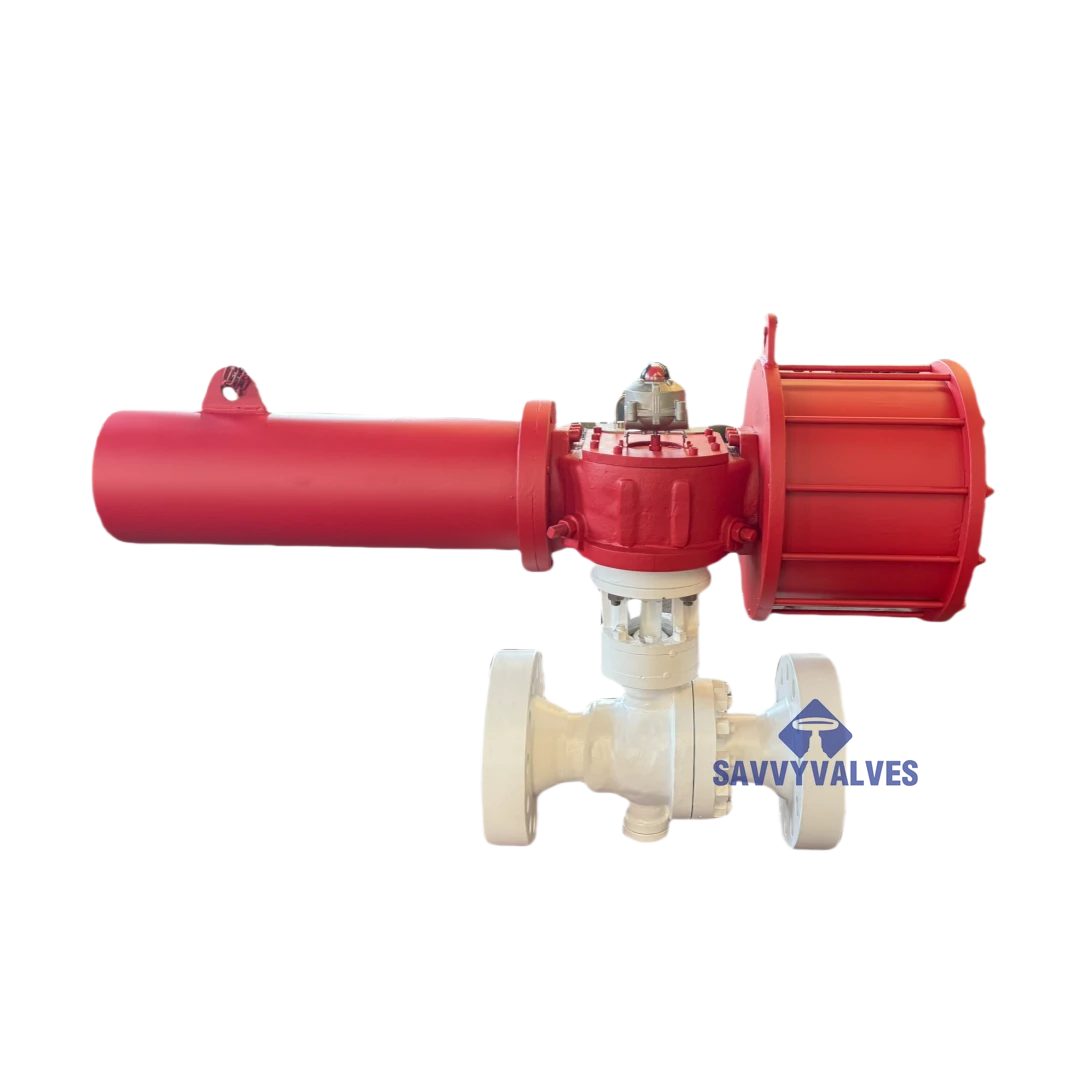
The industrial sector in Venezuela, heavily anchored by the Orinoco Belt's petrochemical complexes, faces significant challenges due to extreme humidity and saline coastal environments. The demand for an air operated butterfly valve has surged as plants seek to replace manual systems with automated, fail-safe solutions to reduce human error in hazardous zones.

Economic fluctuations have led to a critical need for components that offer an extended lifecycle with minimal maintenance. Many facilities currently rely on aging infrastructure where the integration of a robust bf valve is essential to prevent leakage and ensure the integrity of high-pressure pipelines.

Furthermore, the shift toward more stringent environmental regulations in the region is pushing operators to upgrade to a butterfly flap valve design, which provides tighter sealing and better flow modulation, reducing the risk of volatile organic compound (VOC) emissions in refinery settings.
Evolution of Valve Technology in South America

From manual mechanical gates to intelligent pneumatic automation.

Market Development History

In the early 1990s, the Venezuelan market was dominated by heavy cast-iron manual valves. These systems were durable but lacked the agility required for modern petrochemical processing, leading to slow response times during emergency shutdowns.

By the mid-2000s, the introduction of the bf valve bf series marked a transition toward standardized industrial sizing and improved metallurgy, allowing for better resistance against the corrosive sulfur compounds common in local crude oil.

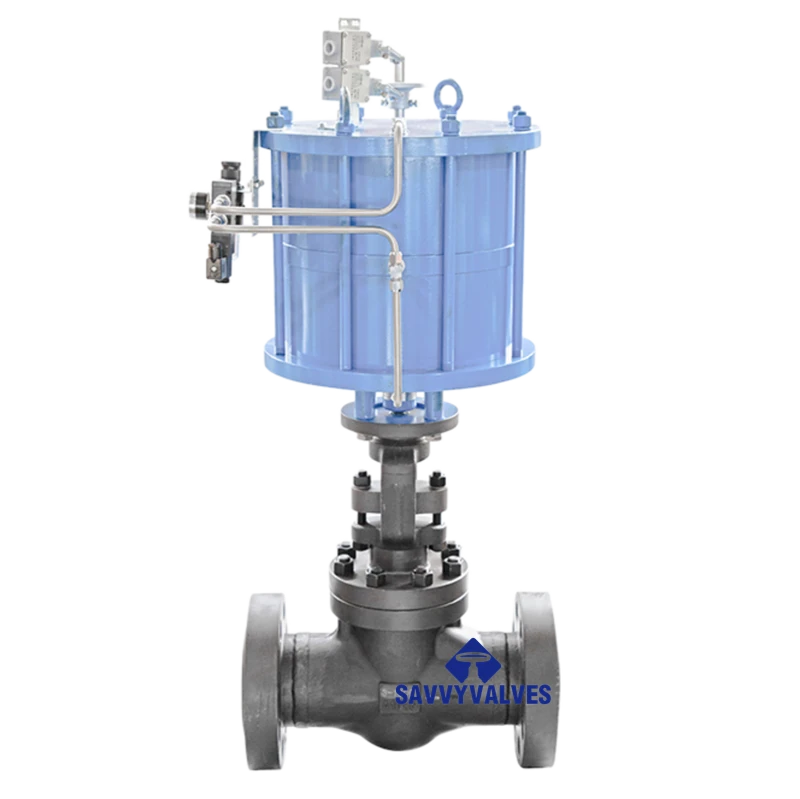
From 2015 to the present, there has been a definitive pivot toward pneumatic integration. The adoption of automated actuation has transformed plant layouts, enabling centralized control rooms to manage thousands of flow points simultaneously via sophisticated PLC systems.

Future Development Trends

Smart Diagnostics Integration

Integration of IoT sensors within the valve body to monitor wear and tear in real-time, predicting failure before it occurs in critical Venezuelan pipelines.

Corrosion-Resistant Super Alloys

Increased use of Hastelloy and Titanium coatings to combat the aggressive saline air of the Caribbean coast, extending the mean time between failures (MTBF).

Low-Emission Seal Technology

The transition toward "zero-leakage" designs to meet new international carbon footprint standards, focusing on advanced polymer seating.

Strategic Trends & Future Outlook

Driving efficiency through automation and material science.

Pneumatic Automation
Shift toward fully automated air systems to eliminate manual intervention in hazardous chemical zones.
Modular Scalability
Standardized valve components allowing rapid replacement and scaling of industrial pipelines.
Material Resilience
Utilization of high-grade alloys to resist the corrosive nature of heavy crude oil extracted in the region.
Energy Efficiency
Optimized pneumatic actuators that reduce compressed air consumption, lowering operational overhead.

Industry Outlook

Based on regional search trends and industrial growth patterns, the next 3-5 years will see a heavy shift toward "Integrated Valve Management." This involves moving away from standalone components toward networked systems that report status to cloud-based monitoring centers.

In Venezuela, the focus will be on rehabilitating legacy infrastructure. The demand for replacement valves that can be retrofitted into 30-year-old systems without requiring full pipeline replacement will be the primary market driver.

Localized Applications in Venezuela

Practical implementation of industrial valves across key Venezuelan sectors.

1. Heavy Oil Extraction in the Orinoco Belt

Using high-torque pneumatic actuators to manage the flow of high-viscosity crude, ensuring that the thick oil does not obstruct the disc movement.

2. Coastal Refinery Desalination Plants

Implementing corrosion-resistant alloys in valves to manage saltwater intake and discharge, preventing salt-crust buildup on the valve seat.

3. Natural Gas Processing in Zulia

Deployment of fast-acting emergency shutdown valves to isolate gas leaks instantly, enhancing safety in high-pressure gas gathering systems.

4. Petrochemical Fertilizer Production

Utilizing chemical-resistant liners to handle aggressive ammonia and urea flows without degrading the valve body.

5. Municipal Water Treatment in Caracas

Large-diameter butterfly valves for controlling city-wide water distribution, emphasizing leak-proof sealing to conserve precious resources.

Brand Story

Global Development Journey of Hebei Menghong Trading Co., Ltd.

Founding Vision

Established with a mission to bridge the gap between complex industrial requirements and affordable, high-quality valve manufacturing.

Technical Breakthroughs

Invested heavily in R&D to perfect the sealing mechanism of the butterfly valve, reducing leakage rates to near zero for the oil and gas industry.

Global Expansion

Expanded operations into South America, adapting product specifications to meet the unique environmental and regulatory needs of Venezuela.

Quality Certification

Achieved international ISO and API certifications, ensuring that every valve shipped meets the strictest global safety standards.

Sustainable Future

Committed to developing eco-friendly materials and energy-efficient actuators to support the global transition to green industrialization.

Comprehensive Valve Portfolio for Venezuela

A complete range of flow control solutions designed for the South American industrial environment.

Industrial Valve FAQ - Venezuela

Expert answers to common technical queries regarding butterfly valve applications.

How do I choose the right air operated butterfly valve for heavy crude oil?

For heavy crude, you must select a valve with high-torque pneumatic actuators and a reinforced disc to ensure the valve can cut through viscous fluids without stalling.

What are the benefits of awh butterfly valves in petrochemical plants?

These valves offer superior sealing and a compact design, reducing the footprint of the piping system while maintaining high flow coefficients.

Can a bf valve handle high-pressure steam applications?

Yes, provided the valve is equipped with a metal-to-metal seat and a high-temperature alloy body to prevent thermal deformation.

What is the difference between a bf valve bf and a standard butterfly valve?

The bf valve bf typically refers to a specific industrial grade with enhanced wall thickness and reinforced seals for more aggressive industrial media.

Why is the butterfly flap valve preferred for wastewater treatment?

Due to its ability to handle suspended solids without clogging and its ease of maintenance compared to complex gate valves.

How to maintain pneumatic valves in high-humidity coastal areas?

We recommend using stainless steel actuators and applying an anti-corrosive coating to all exposed fasteners to prevent salt-air oxidation.

Get Expert Technical Support

Our engineers are ready to help you optimize your flow control systems in Venezuela. Contact us for customized valve specifications.

Contact Us Now

If you are interested in our products, you can choose to leave your information here, and we will be in touch with you shortly.