The 1 inch butterfly valve serves as a critical component in fluid control systems, offering a compact yet powerful solution for regulating flow in a wide array of industrial pipelines. By utilizing a rotating disc to obstruct or allow the passage of media, these valves provide a space-saving alternative to traditional gate or globe valves without sacrificing operational efficiency.
Globally, the demand for precise flow management in small-bore piping has surged, making the 1 inch butterfly valve an essential tool for engineers seeking to balance cost-effectiveness with high performance. Whether implemented in water treatment plants or complex chemical refineries, the ability to achieve a tight shut-off in a minimal footprint is a primary driver for its widespread adoption.
Understanding the nuances of this specific valve size—from material compatibility to pressure ratings—is vital for ensuring system longevity and safety. This comprehensive guide explores the technical specifications, global applications, and innovative trends that define the modern 1 inch butterfly valve, providing a roadmap for optimal selection and implementation in any industrial setting.
Global Relevance of the 1 inch butterfly valve
In the current global industrial landscape, the 1 inch butterfly valve has become a cornerstone for modular plant design. As ISO standards for piping and instrumentation continue to evolve, the need for standardized, reliable, and quickly deployable flow control components has never been higher. These valves are particularly crucial in regions undergoing rapid industrialization, where the speed of installation and ease of maintenance can significantly reduce project overhead.
The challenge often lies in the extreme environments these valves face—ranging from corrosive chemical streams to high-temperature steam. By optimizing the design of the 1 inch butterfly valve, manufacturers have managed to address the problem of leakage and wear, ensuring that critical infrastructure remains operational with minimal downtime, thus supporting global supply chain stability.
Defining the 1 inch butterfly valve Mechanism
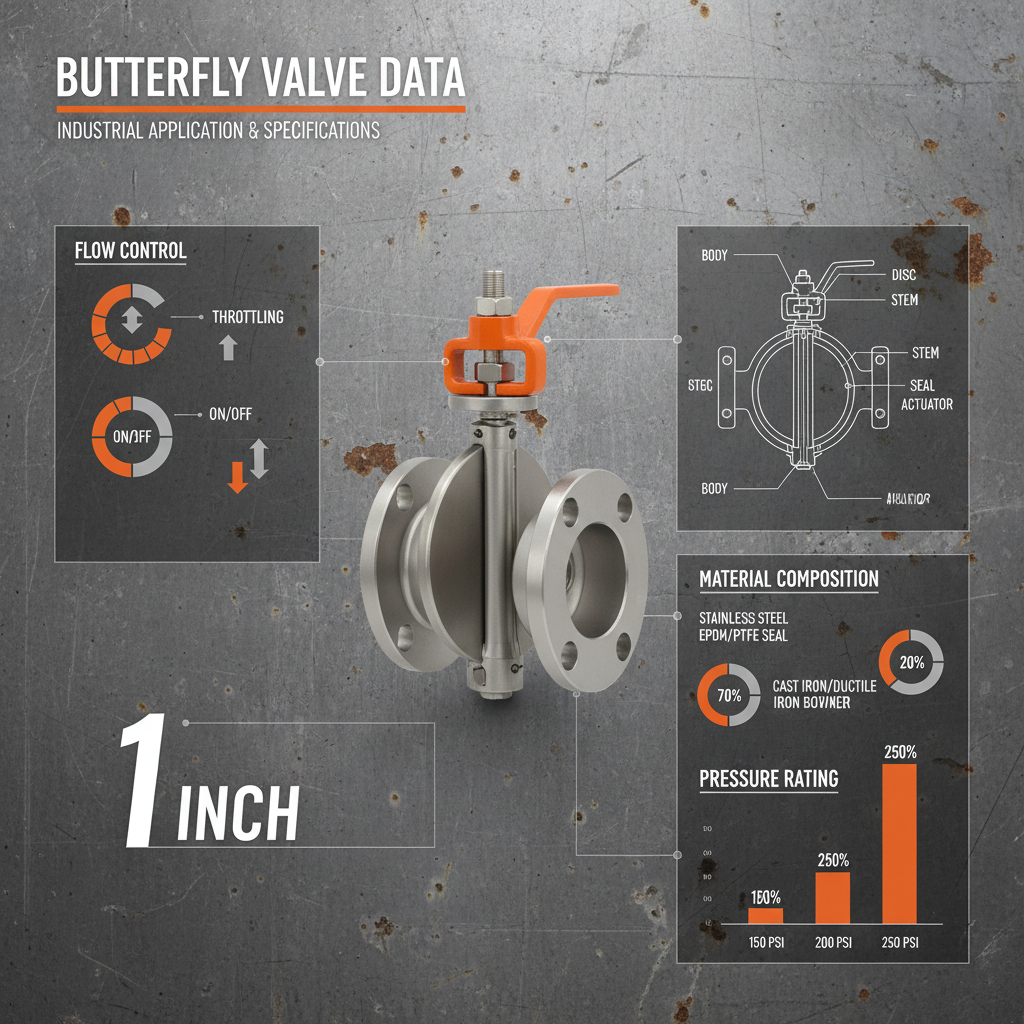
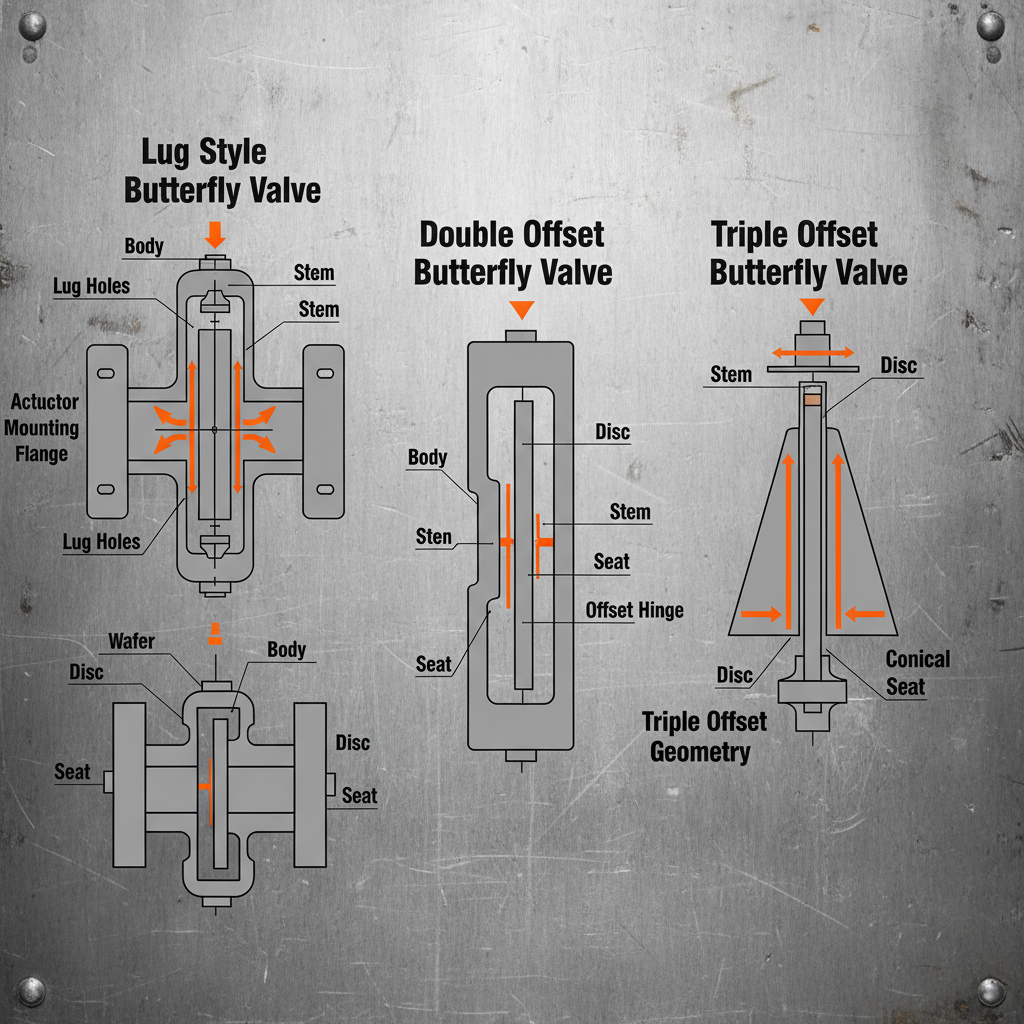
At its simplest level, a 1 inch butterfly valve is a quarter-turn rotational motion valve used to stop, regulate, and start the flow of a fluid. The "1 inch" refers to the nominal diameter of the pipe it is designed to fit. Its primary mechanism consists of a disc mounted on a stem, which rotates 90 degrees to either fully block the flow (closed position) or allow it to pass with minimal obstruction (open position).
From a humanitarian and industrial perspective, this simplicity is its greatest strength. In remote industrial zones or emergency water distribution networks, the ease of operating a 1 inch butterfly valve allows personnel with minimal training to manage critical fluid lines effectively. This democratization of technical control is essential for maintaining hygiene and safety in underserved regions.
Modern iterations of these valves integrate various sealing materials, such as EPDM, PTFE, or Viton, allowing the 1 inch butterfly valve to be tailored to specific chemical compatibilities. This versatility ensures that whether the medium is potable water or a hazardous solvent, the valve maintains a secure seal, preventing environmental contamination.
Core Components and Engineering Factors
Durability is the foremost consideration for any 1 inch butterfly valve. The body, typically cast from stainless steel, ductile iron, or PVC, must withstand the internal pressure of the system while resisting external corrosion. A robust body ensures that the valve does not warp under stress, maintaining the concentricity required for a perfect seal.
The sealing ring, or "seat," is where the 1 inch butterfly valve achieves its zero-leakage capability. Choosing the right elastomer is critical; for instance, PTFE is preferred for high-temperature chemical applications, while EPDM is ideal for water and steam. The interaction between the disc and the seat determines the valve's lifespan and frequency of maintenance.
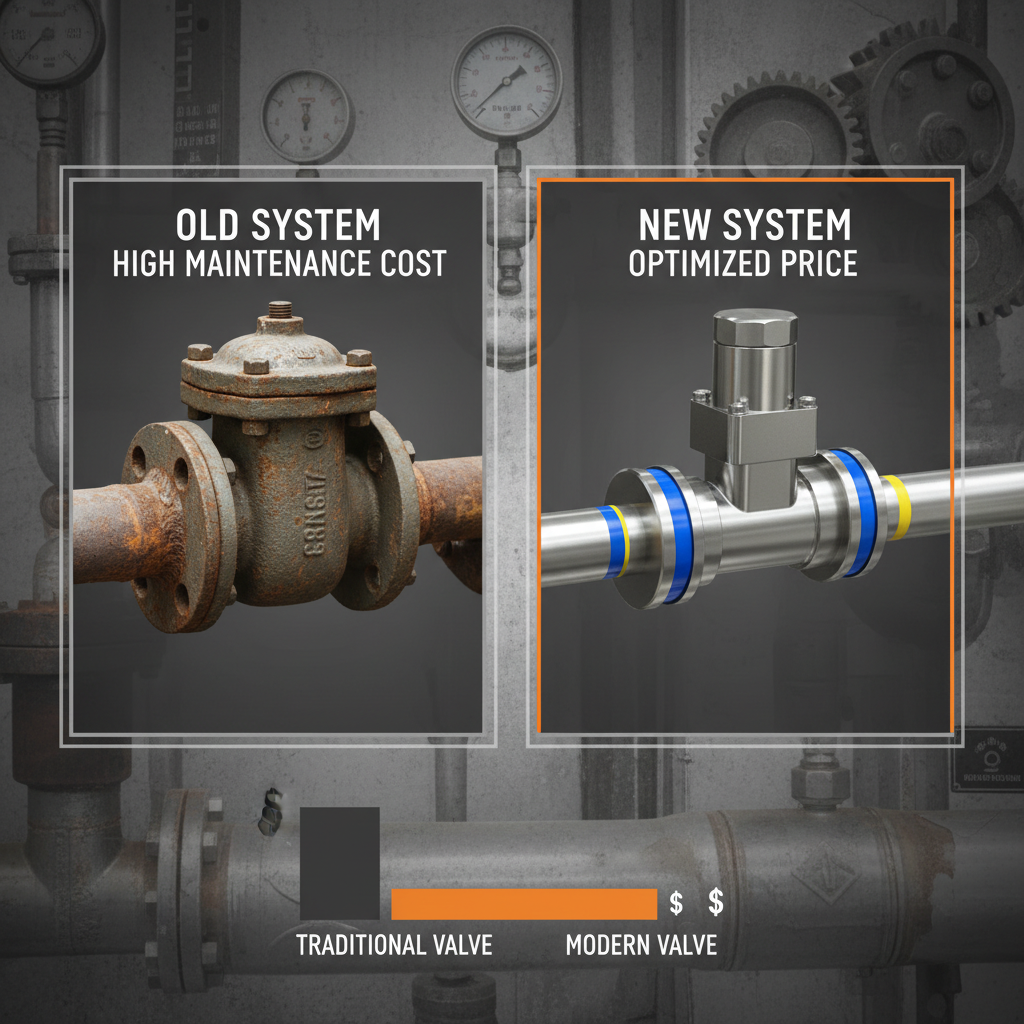
Scalability and cost-efficiency are also key engineering drivers. Because the 1 inch butterfly valve is relatively small, it can be integrated into complex manifolds and skid-mounted systems without adding significant weight or cost. This makes it an economically viable choice for large-scale projects requiring hundreds of isolation points.
Performance Metrics and Efficiency Ratings
Evaluating the performance of a 1 inch butterfly valve requires a look at its flow coefficient (Cv) and pressure-temperature ratings. A high Cv value indicates lower resistance to flow, which is essential for reducing energy costs in pumping systems. Engineering teams prioritize valves that offer a balance between tight shut-off and low pressure drop.
Furthermore, the operational torque required to actuate a 1 inch butterfly valve influences whether it can be operated manually or requires an automated actuator. In high-cycle applications, the wear rate of the stem and bushing becomes the primary metric for determining the total cost of ownership.
Comparative Performance Ratings of 1 inch butterfly valve Variants
Real-World Global Applications
In the pharmaceutical and food processing industries, the 1 inch butterfly valve is indispensable due to its sanitary design. In these sectors, valves must be easily cleaned and sterilized to prevent cross-contamination. The smooth internal surfaces and lack of "dead zones" in high-quality butterfly valves ensure compliance with stringent FDA and EHEDG standards.
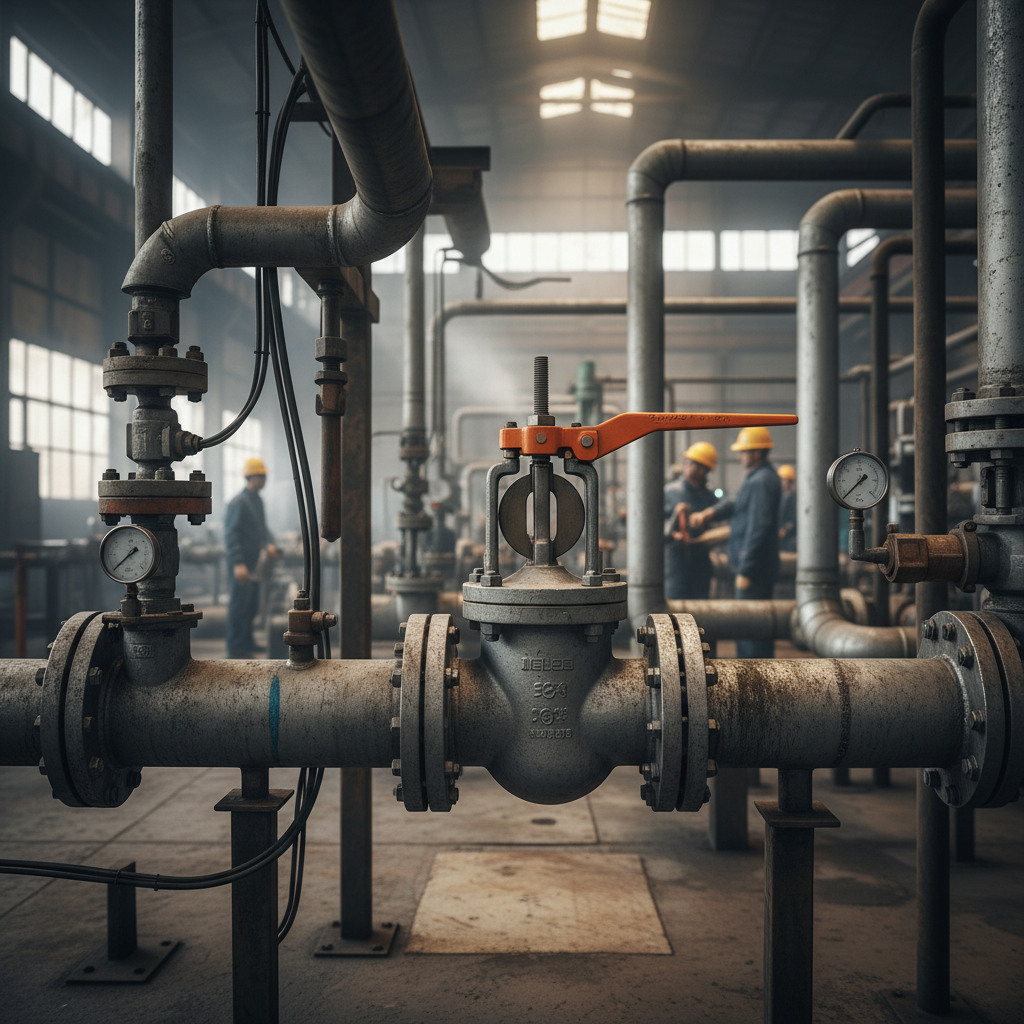
Beyond sterile environments, these valves are heavily used in remote industrial zones, such as mining sites in Australia or oil fields in the Middle East. In these contexts, the 1 inch butterfly valve is often used for auxiliary cooling lines or lubrication systems, where its reliability in harsh, dusty environments prevents costly machinery failures and ensures operator safety.
Long-Term Value and Sustainability
The long-term value of investing in a high-grade 1 inch butterfly valve extends beyond the initial purchase price. By reducing leakage rates, these valves directly contribute to environmental sustainability by preventing the waste of precious resources like purified water or expensive chemical catalysts. This "invisible" saving often outweighs the cost of the valve within the first year of operation.
From a logical angle, the reliability of a properly specified 1 inch butterfly valve reduces the need for emergency shutdowns. In high-stakes environments, the trust that a valve will seal perfectly during a crisis is an emotional and operational necessity, providing peace of mind to plant managers and safety officers.
Furthermore, the shift toward recyclable materials in valve manufacturing means that the lifecycle impact of these components is decreasing. Many modern 1 inch butterfly valves are designed for easy disassembly, allowing seats to be replaced without discarding the entire body, thus aligning industrial growth with circular economy principles.
Future Innovations in Valve Technology
The future of the 1 inch butterfly valve is inextricably linked to the digital transformation of industry, often referred to as Industry 4.0. We are seeing the integration of "smart" actuators and IoT sensors that can monitor the position, torque, and leak status of a valve in real-time. This allows for predictive maintenance, where a valve is serviced based on actual wear data rather than a fixed calendar schedule.
Material science is also pushing the boundaries, with the introduction of ceramic-coated discs and advanced polymers that allow the 1 inch butterfly valve to operate in temperatures and pressures previously only possible with much bulkier globe valves. These innovations are paving the way for more compact and energy-efficient plant designs.
As the world transitions toward green energy, these valves are finding new roles in hydrogen transport and carbon capture systems. The demand for zero-emission sealing is driving a new generation of "bubble-tight" butterfly valves that ensure no hazardous gases escape into the atmosphere, further cementing the 1 inch butterfly valve as a tool for a sustainable future.
Comparative Analysis of 1 inch butterfly valve Material Specifications
| Material Grade |
Corrosion Resistance |
Temp Range (°C) |
Typical Application |
| SS 316 Stainless |
Excellent (9/10) |
-20 to 250 |
Chemical Processing |
| Ductile Iron |
Moderate (5/10) |
-10 to 120 |
Water Distribution |
| PVC / CPVC |
High (8/10) |
0 to 60 |
Corrosive Acids |
| Hastelloy C |
Superior (10/10) |
-50 to 400 |
Extreme Harsh Media |
| Carbon Steel |
Low (4/10) |
-29 to 425 |
Oil & Gas Lines |
| Titanium |
Exceptional (10/10) |
-100 to 300 |
Marine/Desalination |
FAQS
The primary advantage of a 1 inch butterfly valve is its compact design and lower weight. While ball valves provide excellent sealing, butterfly valves are generally more cost-effective and occupy significantly less space in the pipeline, making them ideal for tight installations where weight reduction is critical.
Selection depends on the media temperature and chemical composition. EPDM is great for water and steam; PTFE is the gold standard for aggressive chemicals and higher temperatures; and Viton is preferred for oil-based fluids. Always consult a chemical compatibility chart to ensure the seat doesn't degrade over time.
Yes, butterfly valves can be used for throttling, although they are not as precise as globe or needle valves. For basic flow regulation in a 1 inch system, they work well, but for high-precision control, an automated actuator with a positioner is recommended to maintain a steady flow rate.
Lifespan varies by environment. In clean water applications, a high-quality valve can last 10-20 years. In corrosive chemical environments, the seat may need replacement every 2-5 years. Regular lubrication of the stem and choosing the correct material grade can significantly extend the operational life.
It depends on the material. Standard PVC or EPDM valves are not suitable. However, a 1 inch butterfly valve constructed from stainless steel with a PTFE or reinforced metal seat can handle high-pressure steam effectively, provided the pressure rating of the valve body matches the system requirements.
Ensure proper alignment during installation to avoid stressing the body. Use the correct flange gaskets and torque bolts according to the manufacturer's specifications. Additionally, regularly inspect the seat for wear and tear, as debris can prevent the disc from seating fully, leading to "weeping" leaks.
Conclusion
The 1 inch butterfly valve is far more than a simple plumbing component; it is a precision-engineered tool that enables the efficient, safe, and sustainable movement of fluids across the globe. From its compact geometry and versatility in material selection to its critical role in sanitary and hazardous environments, this valve balances operational performance with economic viability. By understanding the interplay between seat materials, body construction, and digital integration, engineers can maximize the reliability of their systems while minimizing environmental impact.
As we move toward a future of smarter, greener industry, the evolution of the 1 inch butterfly valve will continue to drive innovation in automation and carbon reduction. Whether you are upgrading an existing facility or designing a new modular plant, prioritizing quality and technical compatibility is the best way to ensure long-term success. For professional guidance and high-performance flow control solutions, visit our website: www.savvyvalvetech.com.





 English