Understanding the intricacies of choke valve price is paramount in optimizing fluid flow control across diverse industries. The global market for these valves, a crucial component in oil and gas, chemical processing, and water management, is experiencing consistent growth driven by infrastructure development and increasing demands for efficient resource allocation. Accurately assessing choke valve price involves not just the initial cost, but a comprehensive evaluation of lifecycle expenses including maintenance, repairs, and potential downtime. This holistic approach allows for informed investment decisions and sustainable operational practices.
Fluctuations in raw material costs, geopolitical factors, and manufacturing complexities significantly influence choke valve price. The increasing need for specialized valves tailored to harsh environments – deep sea, high-temperature, or corrosive applications – further impacts cost. Furthermore, the advent of smart valve technology, offering remote monitoring and predictive maintenance capabilities, is introducing a new pricing dynamic. Navigating this landscape requires a deep understanding of market trends and supplier relationships to secure optimal value.
Ultimately, a well-considered choke valve price strategy translates to enhanced operational efficiency, reduced risks, and maximized return on investment. This is particularly critical in industries where unplanned shutdowns can result in substantial financial losses and environmental consequences. Therefore, investing in thorough research and expert consultation is essential when determining the appropriate choke valve price for a specific application.
The Significance of choke valve price
The importance of understanding choke valve price extends far beyond simply acquiring a necessary component. It's a critical factor in project budgeting, operational expenditure (OPEX) forecasting, and overall system reliability. A strategically evaluated choke valve price prevents costly overspending, minimizes downtime due to inferior quality, and ensures optimal performance throughout the valve’s lifespan. Savvy procurement teams recognize that the lowest initial choke valve price doesn't always translate to the lowest total cost of ownership.
Effective management of choke valve price directly impacts the profitability and sustainability of operations in industries reliant on fluid control. For instance, in the oil and gas sector, a valve failure resulting from inadequate choke valve price negotiation can lead to significant production losses, environmental hazards, and safety concerns. Conversely, investing in higher-quality valves with a justifiable choke valve price often yields substantial long-term savings through reduced maintenance and extended operational life.
Defining choke valve price in Modern Industry
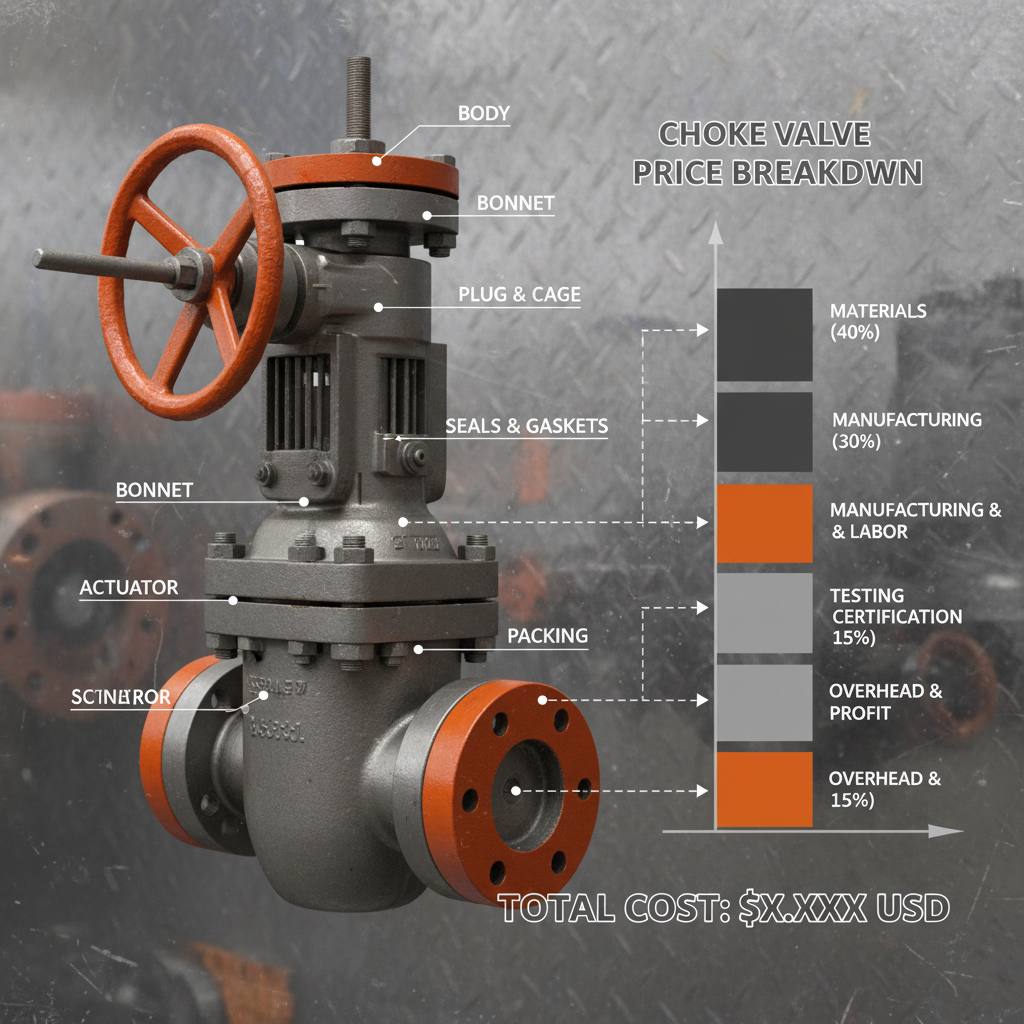
In modern industry, choke valve price encompasses more than just the manufacturer’s list price. It represents the total expenditure associated with acquiring, installing, operating, and maintaining a choke valve over its entire lifecycle. This includes not only the initial purchase cost but also shipping, taxes, installation labor, commissioning, routine maintenance, spare parts, potential repair costs, and eventual decommissioning. A comprehensive definition of choke valve price must also account for indirect costs like downtime, lost production, and the potential for environmental penalties due to valve failure.
The concept of choke valve price is intrinsically linked to the need for robust and reliable fluid control systems. Modern industrial processes, particularly in sectors like oil & gas, petrochemicals, and power generation, demand precise and consistent flow regulation to optimize efficiency, ensure safety, and minimize environmental impact. Therefore, defining choke valve price requires a nuanced understanding of the specific application, operating conditions, and performance requirements.
The evolution of digital technologies is further refining how choke valve price is perceived. Smart valves, equipped with sensors and communication capabilities, offer real-time performance data and predictive maintenance insights. This information allows for proactive maintenance scheduling, reducing unexpected downtime and optimizing valve lifespan, which contributes to a more accurate and ultimately lower total choke valve price.
Key Factors Influencing choke valve price
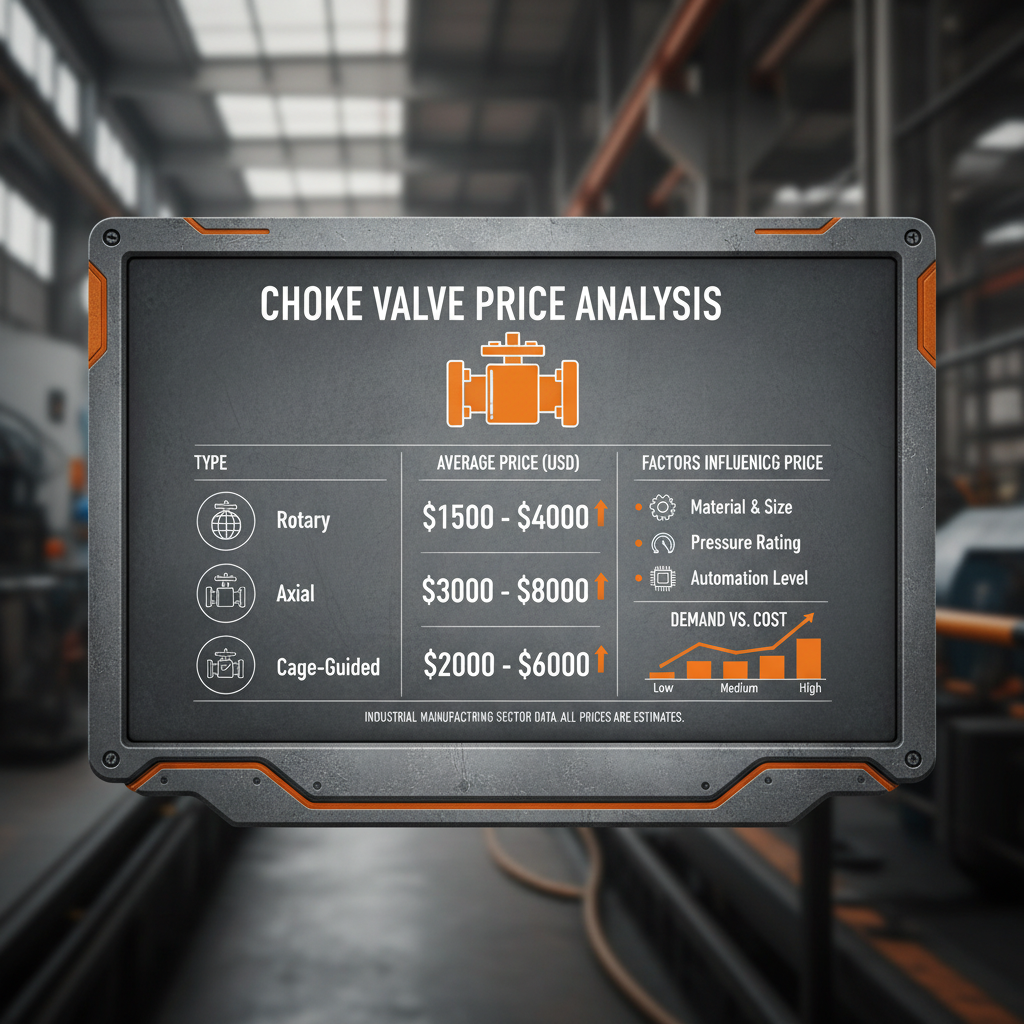
Several critical factors directly influence choke valve price. Material composition plays a significant role, with specialized alloys like Inconel or Hastelloy commanding a premium due to their resistance to corrosion and extreme temperatures. Valve size and pressure rating also impact cost, as larger valves designed for high-pressure applications require more robust construction and materials. Furthermore, the type of choke valve – whether it’s a fixed orifice, adjustable orifice, or a specialized design like a positive choke – affects the price based on its complexity and manufacturing process.
Supplier selection and geographical location are also influential. Valves sourced from established manufacturers with a proven track record of quality and reliability typically come at a higher price point than those from less reputable suppliers. Additionally, transportation costs and import duties can significantly add to the overall choke valve price, especially for international purchases. It's critical to consider these factors when evaluating quotes from different vendors and negotiating optimal pricing terms.
Finally, the degree of customization required impacts the choke valve price. Standard valves are generally more affordable than those tailored to specific application requirements. Modifications such as special trims, exotic materials, or custom actuation systems add to the engineering and manufacturing costs, ultimately increasing the overall price. Understanding the necessity of customization versus the cost implications is crucial for optimizing the choke valve price.
Global Applications of choke valve price
The principles of effective choke valve price management are universal, but the specific applications and price sensitivities vary across industries and regions. In the oil and gas sector, particularly in offshore drilling and production, choke valves are essential for controlling well flow and preventing blowouts. Consequently, the focus is on high reliability and safety, justifying a potentially higher choke valve price. Conversely, in water treatment facilities, the emphasis is often on cost-effectiveness and long-term durability, leading to a preference for valves with a competitive choke valve price.
Geographically, regions with burgeoning industrial sectors, such as Southeast Asia and the Middle East, are experiencing increased demand for choke valves, driving up prices due to limited supply and logistical challenges. Developed nations, with established supply chains and a mature industrial base, generally benefit from more stable and competitive choke valve price structures. Understanding these regional dynamics is essential for informed procurement decisions.
Emerging applications in renewable energy, such as geothermal power generation and carbon capture and storage, are also creating new demand for specialized choke valves, potentially impacting the choke valve price landscape. These applications often require valves capable of handling extreme temperatures, corrosive fluids, and high pressures, leading to increased complexity and costs.
Comparative choke valve price Analysis by Application
Advantages and Long-Term Value of Optimized choke valve price
Optimizing choke valve price yields significant advantages that extend beyond initial cost savings. A well-managed choke valve price strategy enhances operational reliability by ensuring the procurement of high-quality valves capable of withstanding harsh operating conditions. This reduces the likelihood of unexpected failures, minimizing downtime and associated production losses. A focus on long-term value also encourages investments in valves with extended service lives, reducing the frequency of replacements and lowering overall lifecycle costs.
Furthermore, a proactive approach to choke valve price management fosters sustainability by promoting the selection of energy-efficient valves and minimizing waste. Choosing valves with optimized flow characteristics reduces energy consumption and lowers greenhouse gas emissions. Investing in valves with readily available spare parts reduces the need for costly emergency replacements and extends the operational life of existing equipment.
Future Trends in choke valve price
The future of choke valve price is poised for significant transformation driven by advancements in materials science, digital technologies, and sustainable manufacturing practices. The increasing adoption of additive manufacturing (3D printing) is expected to reduce lead times and lower production costs, particularly for customized valves. The development of new corrosion-resistant alloys and coatings will further enhance valve durability and reduce maintenance requirements.
The integration of artificial intelligence (AI) and machine learning (ML) is expected to revolutionize valve diagnostics and predictive maintenance. AI-powered algorithms can analyze real-time valve performance data to identify potential issues before they escalate, enabling proactive maintenance scheduling and minimizing downtime. This predictive capability will contribute to a more optimized choke valve price by reducing unplanned repairs and extending valve lifespan.
Challenges and Solutions Related to choke valve price
Despite the potential benefits of optimized choke valve price management, several challenges persist. Supply chain disruptions, fluctuating raw material costs, and geopolitical instability can all contribute to price volatility. Maintaining consistent quality control across global supply chains remains a significant concern. Furthermore, the lack of standardized pricing models and transparent vendor practices can hinder effective cost negotiation.
To address these challenges, organizations can implement several strategies. Diversifying suppliers, establishing long-term contracts with key vendors, and utilizing advanced supply chain management tools can mitigate supply chain risks. Investing in robust quality control processes and conducting thorough vendor audits ensures consistent product quality. Leveraging digital platforms for price comparison and transparent bidding can foster competitive pricing.
Finally, embracing a lifecycle cost analysis (LCCA) approach, rather than solely focusing on initial purchase price, empowers informed decision-making and unlocks long-term value. By considering all associated costs – including installation, maintenance, and decommissioning – organizations can select valves that offer the optimal choke valve price over their entire operational lifespan.
A Comparative Analysis of Choke Valve Price Factors
| Material Grade |
Supplier Tier |
Customization Level |
Impact on choke valve price (1-10) |
| Carbon Steel |
Tier 3 (Local Supplier) |
Standard (No Modifications) |
3 |
| Stainless Steel 316 |
Tier 2 (Regional Supplier) |
Minor (Trim Adjustment) |
5 |
| Alloy 20 |
Tier 1 (Global OEM) |
Moderate (Custom Orifice) |
7 |
| Inconel 625 |
Tier 1 (Global OEM) |
Extensive (Full Custom Design) |
9 |
| Hastelloy C-276 |
Tier 1 (Global OEM) |
Complete (Specialized Actuation) |
10 |
| Duplex Stainless Steel |
Tier 2 (Regional Supplier) |
Minimal (Standard Coating) |
6 |
FAQS
Several key elements influence the overall choke valve price, including the materials used in construction (e.g., carbon steel, stainless steel, or exotic alloys), the valve’s size and pressure rating, the complexity of the design (standard vs. customized), the supplier’s tier and geographical location, and any additional features like automated control systems. Understanding how these factors interact is critical for obtaining a competitive choke valve price.
Customization invariably increases the choke valve price. Modifications such as specialized trims, exotic materials, unique actuation systems, or specific connection types require additional engineering, manufacturing, and quality control efforts. While customization ensures the valve perfectly meets your application needs, it's essential to weigh the benefits against the increased cost. Consider if a standard valve can meet the majority of requirements before pursuing extensive customization.
Focusing solely on the initial choke valve price can be misleading. A cheaper valve may require more frequent maintenance, repairs, or even premature replacement, ultimately costing more over its lifespan. Lifecycle cost analysis (LCCA) considers all associated expenses – including installation, operation, maintenance, and eventual decommissioning – providing a more accurate picture of the true cost of ownership. This allows for informed decisions that prioritize long-term value.
To mitigate supply chain risks, diversify your supplier base by working with multiple vendors. Establish long-term contracts with key suppliers to secure preferential pricing and guaranteed supply. Utilize advanced supply chain management tools to monitor inventory levels and identify potential disruptions proactively. Consider maintaining a buffer stock of critical components to ensure continuity of operations.
Valve material significantly impacts choke valve price. Common materials like carbon steel are the most affordable, while specialized alloys like Inconel, Hastelloy, and Duplex Stainless Steel command a premium due to their exceptional corrosion resistance, high-temperature performance, and strength. The choice of material depends on the application's operating conditions and the level of protection required. Choosing the appropriate material is crucial for ensuring longevity and minimizing lifecycle costs.
Smart valves, equipped with sensors and communication capabilities, are introducing a new pricing dynamic. While initially more expensive than traditional valves, their ability to provide real-time performance data, enable predictive maintenance, and optimize flow control can lead to significant cost savings over the valve’s lifetime. The reduced downtime, improved efficiency, and extended operational life justify the higher upfront choke valve price for many applications.
Conclusion
In conclusion, navigating the complexities of choke valve price demands a holistic understanding that extends beyond initial cost considerations. A strategic approach, encompassing lifecycle cost analysis, supplier diversification, material selection, and the integration of emerging technologies, is essential for maximizing value and ensuring operational efficiency. The ability to accurately assess choke valve price directly translates to reduced risks, optimized performance, and sustainable operations across diverse industries.
Looking ahead, the choke valve market will continue to evolve, driven by innovations in materials science, digital technologies, and a growing emphasis on sustainability. By embracing these advancements and proactively addressing the challenges associated with supply chain disruptions and price volatility, organizations can unlock significant opportunities for cost optimization and enhanced reliability. Visit our website at savvyvalvetech.com to explore our comprehensive range of choke valves and discover how we can help you achieve your operational goals.





 English