Understanding check valve price is crucial in a globalized world where efficient fluid system design directly impacts industries ranging from oil and gas to water treatment and pharmaceuticals. Accurate assessment of check valve price, considering factors beyond the initial cost, is paramount for long-term operational efficiency and safety. This isn't merely about purchasing the cheapest option; it’s about evaluating the total cost of ownership, including maintenance, potential downtime, and the risk of system failure.
The global check valve market is experiencing significant growth, driven by increased industrialization in developing nations and a heightened focus on infrastructure development. According to a report by Grand View Research, the global check valve market size was valued at USD 6.68 billion in 2022 and is expected to grow at a compound annual growth rate (CAGR) of 4.8% from 2023 to 2030. This underlines the importance of understanding the nuances of check valve price and its relation to performance and reliability.
Ultimately, a well-informed decision regarding check valve price protects assets, ensures regulatory compliance, and contributes to sustainable operations. Choosing wisely means minimizing lifecycle costs and maximizing return on investment in critical infrastructure projects. Accessing reliable information regarding check valve price is the first step towards making informed decisions.
Defining Check Valve Price and Its Importance
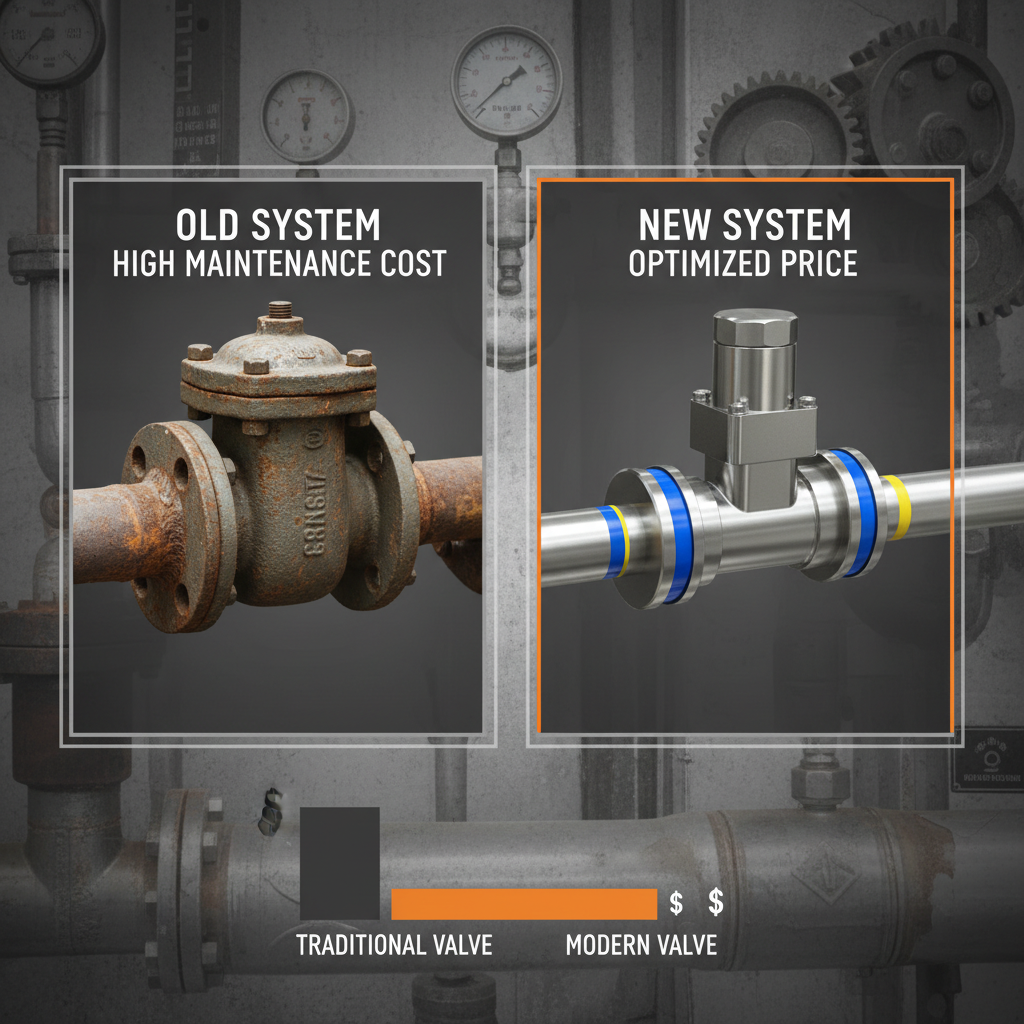
Check valve price isn’t simply the monetary cost of the valve itself. It encompasses a broader assessment of value, taking into account material quality, manufacturing precision, performance characteristics, and anticipated lifespan. A low initial check valve price might be appealing, but it can lead to higher long-term costs due to frequent repairs, replacements, and potential system disruptions.
In modern industry, particularly in sectors like water management, chemical processing, and power generation, the reliable operation of check valves is critical. The price must reflect the valve’s ability to prevent backflow, protect pumps from damage, and maintain system integrity. Ignoring these factors for the sake of a lower price can lead to significant humanitarian and economic consequences.
Global Economic Impact of Check Valve Price
The influence of check valve price extends far beyond individual transactions. Fluctuations in raw material costs (stainless steel, brass, polymers) and global supply chain dynamics significantly affect the overall cost. Political instability, trade tariffs, and transportation expenses can all contribute to price volatility, impacting project budgets and timelines worldwide. The cost of a check valve can be a substantial portion of a project’s overall expenditure, particularly in large-scale infrastructure developments.
Regions with developing industrial sectors often prioritize lower initial costs, potentially sacrificing long-term reliability. This can create a cycle of recurring expenses and hinder sustainable growth. Conversely, countries with stringent safety and environmental regulations tend to favor higher-quality valves, recognizing the long-term economic benefits of reduced maintenance and increased operational efficiency.
A competitive check valve price landscape fosters innovation and efficiency within the manufacturing sector, benefiting consumers and driving economic progress. Monitoring global market trends related to check valve price is essential for businesses involved in fluid handling systems.
Core Components Influencing Check Valve Price
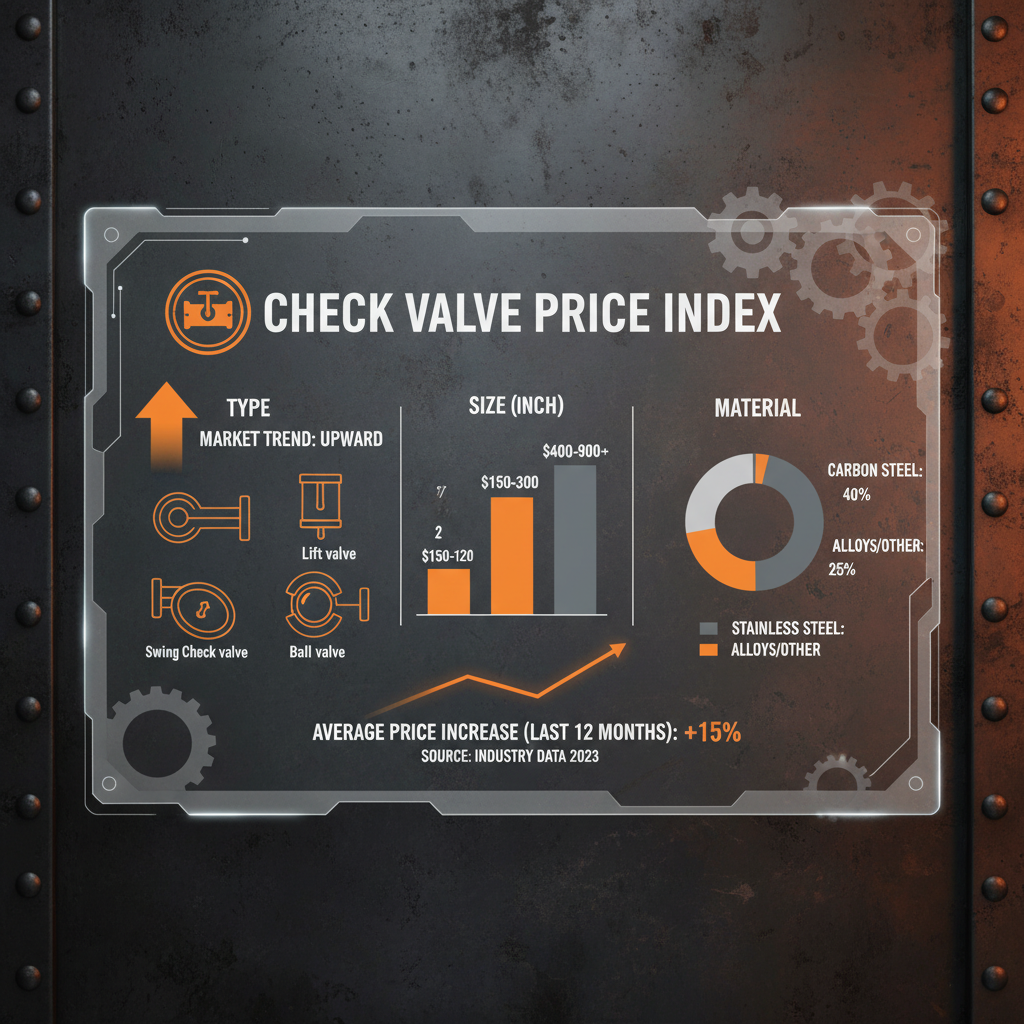
Several core components contribute significantly to the final check valve price. Material selection is a primary driver. Stainless steel valves generally command a higher price than those made from cast iron or brass, due to their superior corrosion resistance and durability. The type of check valve mechanism – swing, lift, ball, or duckbill – also affects the price, with more complex designs typically being more expensive.
Manufacturing processes and quality control measures are crucial. Valves produced with precision machining and rigorous testing will naturally be more expensive than those manufactured with less stringent standards. The valve's size and pressure rating also play a role, as larger and higher-rated valves require more material and robust construction.
Finally, certifications and compliance with industry standards (e.g., ANSI, API) often add to the price, but they provide assurance of quality and reliability. Considering the interconnectedness of these factors is critical when evaluating check valve price.
Applications of Optimized Check Valve Price
Optimized check valve price finds application across a diverse range of industries. In the oil and gas sector, reliable check valves are essential for preventing backflow in pipelines and protecting critical equipment from damage. In water and wastewater treatment plants, they ensure unidirectional flow and prevent contamination.
Power generation facilities rely on check valves to safeguard turbines and maintain efficient operation. The pharmaceutical and food processing industries require valves that meet stringent hygiene standards and prevent cross-contamination. Even in residential plumbing systems, correctly priced and installed check valves are crucial for preventing backflow and protecting the potable water supply.
Comparative Analysis of Check Valve Price by Application
Advantages of Strategic Check Valve Price Evaluation
A strategic evaluation of check valve price yields numerous advantages. Reducing the total cost of ownership through careful selection minimizes long-term maintenance and replacement expenses. Enhanced system reliability and reduced downtime translate to increased productivity and profitability.
Improved safety is a critical benefit. High-quality check valves prevent backflow, protecting personnel and the environment from hazardous materials. Moreover, choosing valves that meet relevant industry standards ensures regulatory compliance and avoids potential penalties.
Future Trends in Check Valve Price and Technology
The future of check valve price is intertwined with advancements in materials science and manufacturing technologies. The development of new alloys with enhanced corrosion resistance and durability is likely to drive down lifecycle costs. Smart check valves, equipped with sensors and data analytics capabilities, are emerging as a promising trend. These valves can provide real-time monitoring of performance and predict potential failures, enabling proactive maintenance.
Additive manufacturing (3D printing) is also poised to disrupt the check valve industry, enabling the creation of customized valves with optimized designs and reduced material waste. Sustainable manufacturing practices and a focus on reducing carbon footprint will increasingly influence check valve price and purchasing decisions.
Challenges and Solutions Regarding Check Valve Price
One significant challenge is the prevalence of counterfeit or substandard check valves in the market. These valves often have deceptively low prices, but they compromise safety and reliability. Another challenge is the lack of transparency in pricing, making it difficult for buyers to compare options and make informed decisions.
To address these challenges, buyers should source valves from reputable suppliers with established quality control processes. Implementing robust inspection procedures and demanding certifications can help identify and reject substandard products. Increased price transparency and the adoption of digital procurement platforms can facilitate informed decision-making.
Summary of Key Factors Influencing Check Valve Price & Selection
| Material Grade |
Valve Type |
Manufacturer Reputation |
Compliance Standards |
| Stainless Steel (316) |
Swing Check Valve |
Tier 1 Global Supplier |
API 598, ANSI B16.34 |
| Cast Iron |
Lift Check Valve |
Regional Manufacturer |
ISO 9001 |
| Brass |
Ball Check Valve |
OEM Supplier |
CE Marking |
| Duplex Stainless Steel |
Duckbill Check Valve |
Specialty Valve Manufacturer |
NACE MR0175 |
| Plastic (PVC) |
Spring-Loaded Check Valve |
Distributor |
NSF/ANSI 61 |
| Alloy 20 |
Poppet Check Valve |
Direct from Factory |
ATEX Certification |
FAQS
Several key factors determine check valve price. Material composition is a major contributor – stainless steel valves are pricier than those made of cast iron. The valve's size, pressure rating, and complexity of the internal mechanism also play a role. Finally, the manufacturer's reputation, certifications, and quality control processes influence the final cost.
Focus on total cost of ownership, not just the initial price. Consider the valve's lifespan, maintenance requirements, and potential downtime costs. Source from reputable suppliers, verify certifications, and prioritize quality over rock-bottom prices. Comparing quotes from multiple vendors is also crucial. Look for check valve price breakdowns to understand where costs are allocated.
Using a cheaper, uncertified check valve carries significant risks. These valves may be made from inferior materials, have poor manufacturing quality, and fail prematurely. This can lead to costly repairs, system downtime, and even safety hazards. Lack of certification means the valve hasn't been independently tested to meet industry standards.
Additive manufacturing (3D printing) is emerging as a potential game-changer, allowing for customized valve designs and reduced material waste. Smart check valves, with integrated sensors and data analytics, are also gaining traction, providing real-time performance monitoring and predictive maintenance capabilities. These advancements could eventually lead to optimized check valve price solutions.
Material selection is paramount. Stainless steel offers superior corrosion resistance and durability, making it ideal for harsh environments, but it's more expensive. Cast iron is a cost-effective option for less demanding applications. Plastic valves are suitable for corrosive fluids but have lower pressure ratings. The right material ensures longevity and minimizes lifecycle costs, justifying the initial investment.
Industry certifications (e.g., API, ANSI, ISO) demonstrate that a check valve meets specific quality and performance standards. Manufacturers invest in testing and compliance, which increases production costs but provides assurance of reliability and safety. Certified valves often command a higher price, but the peace of mind and reduced risk of failure are well worth the investment.
Conclusion
In conclusion, understanding check valve price extends beyond a simple cost comparison. It requires a holistic assessment of material quality, manufacturing processes, application requirements, and long-term lifecycle costs. Strategic evaluation, combined with an awareness of emerging technologies and industry standards, empowers informed decision-making and optimizes overall system performance.
Investing in high-quality check valves, even at a slightly higher initial price, ultimately leads to greater reliability, reduced maintenance, and enhanced safety. We encourage you to explore our range of check valves and request a quote to discover how we can help you find the optimal solution for your specific needs. Visit our website today: www.savvyvalvestech.com.




 English