Butterfly valves. You see ‘em everywhere on a site like mine – water treatment, fire protection, chemical processing, even just controlling flow in irrigation. They're deceptively simple, but pick the wrong type and you’re looking at corrosion, leaks, downtime, and a whole lot of headaches. Understanding the nuances between different types of butterfly valves isn't just about specs on a datasheet, it’s about keeping things running smoothly and safely. I've seen projects stalled because of a valve failure; it’s not a small deal. Knowing your options – resilient seated, metal seated, triple offset – is crucial for any serious engineer or project manager.
Globally, the demand for efficient flow control solutions is soaring. The UN estimates a 55% increase in urban population by 2050, meaning massive infrastructure projects needing reliable valves. According to the World Bank, investment in water infrastructure alone needs to reach $1.7 trillion by 2030. Butterfly valves, because of their cost-effectiveness and relatively lightweight design, are a huge part of meeting that demand. But ‘cost-effective’ doesn’t mean ‘one-size-fits-all.’ You need to consider the application, the fluid, the temperature, and the pressure. A cheap valve failing can wipe out any initial savings real quick.
Simply put, different types of butterfly valves regulate flow by rotating a disc within a body. Unlike gate valves which block flow completely, butterfly valves offer proportional control, adjusting flow based on the disc’s angle. They’re favored for their quick operation, compact size, and relatively low cost. This isn’t some ivory tower tech; this is about moving fluids – water, gas, chemicals – efficiently and reliably. Modern industrial needs, from providing clean water to remote communities to powering complex manufacturing processes, rely heavily on these valves. They are a fundamental component in maintaining industrial efficiency and public safety.
Understanding Different Types of Butterfly Valves
The biggest split you’ll encounter is between resilient seated and metal seated. Resilient seated valves use a rubber liner – EPDM, PTFE, or similar – pressed against the disc. These are fantastic for clean fluids, low temperatures, and situations where you need a tight shutoff without a ton of force. They’re what you’ll find in a lot of water and wastewater applications. But those rubber liners will degrade over time, especially with abrasive fluids or high temperatures. I’ve pulled up projects where someone skimped on the liner material, and the whole system had to be shut down for replacement after just a few years.
Then you have metal seated valves, usually stainless steel. These can handle much higher temperatures and pressures, and they’re more durable for abrasive media. They’re used in steam lines, oil and gas, and chemical processing. The downside is they don’t seal quite as tightly as resilient seated valves, so you might get some minor leakage. Triple offset butterfly valves are a special breed – high performance valves that combine design features to achieve bubble-tight shutoff and reduced friction, making them ideal for critical applications.
Global Relevance and Industry Context
Look at desalination plants popping up around the globe – huge demand for corrosion-resistant butterfly valves to handle saltwater. The Middle East, Australia, and California are all investing heavily in these facilities. Then there’s the power generation industry. Cooling water systems in power plants need reliable flow control, and butterfly valves are a mainstay. The increasing focus on renewable energy also drives demand – geothermal plants, hydroelectric dams, even concentrating solar power – all utilize butterfly valves in their systems.
We’re also seeing more stringent environmental regulations driving the need for precise flow control in wastewater treatment plants. Meeting discharge limits requires accurate metering and control, which butterfly valves can deliver. The trend towards smart cities and automated infrastructure is also creating opportunities for butterfly valves with integrated sensors and actuators.
It's not just the big projects, either. Agriculture relies on butterfly valves for irrigation systems, and the food and beverage industry uses them for processing and sanitation. The global scale of these applications means that even small improvements in valve efficiency can have a significant cumulative impact.
Defining Different Types of Butterfly Valves
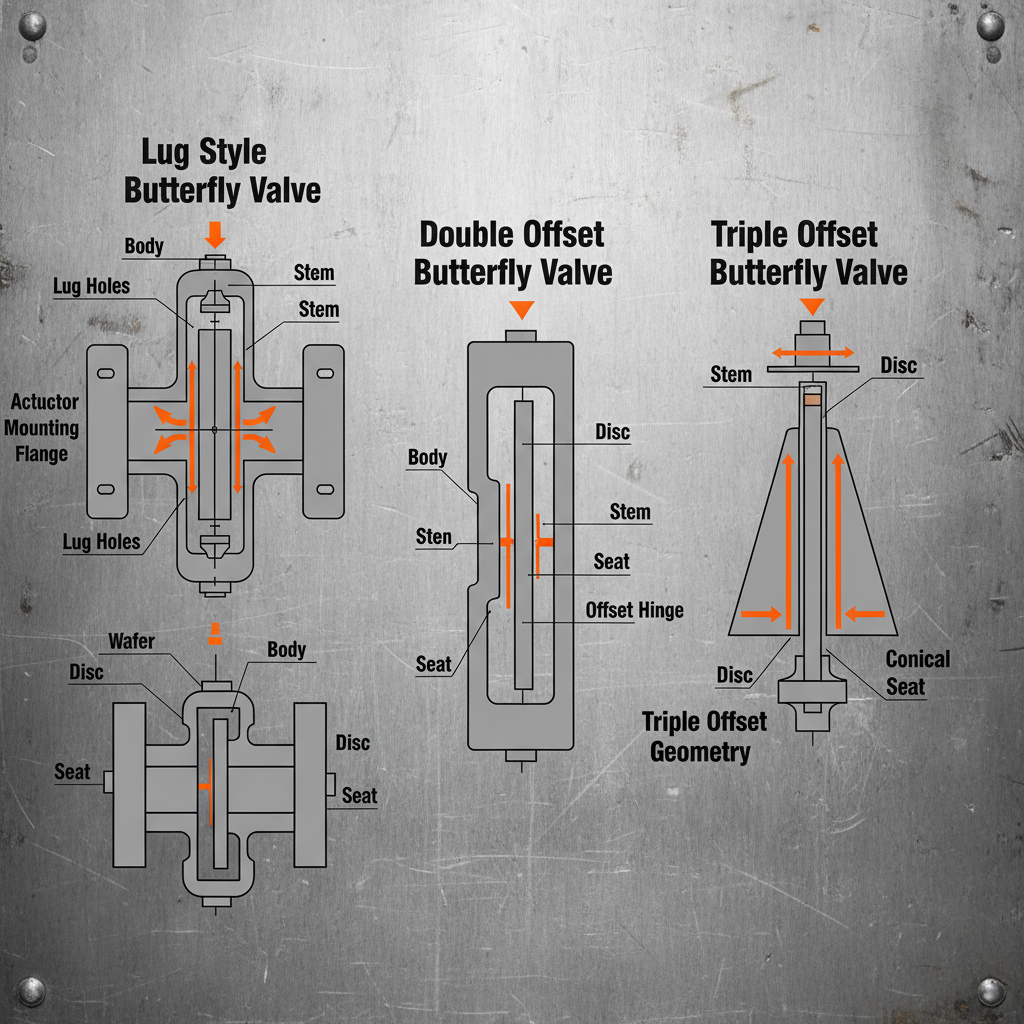
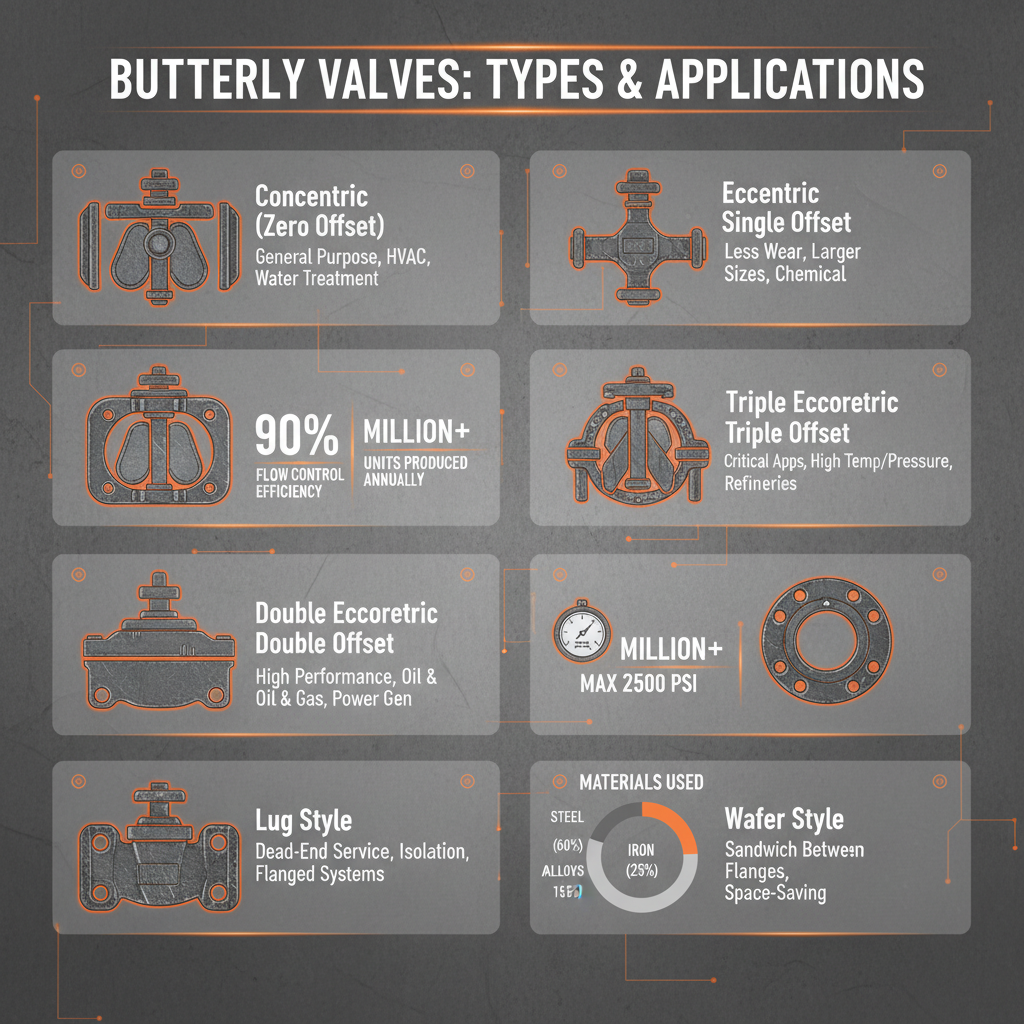
At its heart, a butterfly valve consists of a disc mounted on a rotating shaft within a pipe. Turning the shaft rotates the disc, controlling the flow. The body design – wafer, lug, or flanged – determines how it's connected to the piping system. Wafer valves are the most common and cost-effective, fitting between flanges. Lug valves have protruding lugs for bolting directly to flanges, simplifying installation. Flanged valves are bolted to flanges on both sides, providing a more robust connection.
The key differentiator, as we touched on, is the seat material. Resilient seated valves offer excellent sealing at lower pressures and temperatures, while metal seated valves are better suited for high-temperature, high-pressure applications and corrosive fluids. The disc itself can also vary in design – concentric, eccentric, or triple offset – each offering different flow characteristics and sealing capabilities. Triple offset valves are the most sophisticated, minimizing friction and providing bubble-tight shutoff.
Essentially, it's a balancing act. You’re matching the valve's capabilities to the specific demands of the application. You don’t want to overspend on a high-performance valve if a simpler, more affordable option will do the job, but you absolutely don't want to cut corners and risk a failure that could cost you time, money, and potentially even safety.
Key Factors Influencing Valve Selection
Durability is huge. I’ve seen valves corrode through in less than a year if the material isn’t compatible with the fluid. Stainless steel is your friend in corrosive environments, but even then, you need to consider the specific alloy. Cost efficiency isn't just the initial price tag; it's the total cost of ownership, including maintenance, repair, and replacement.
Scalability – can the valve handle future increases in flow rate or pressure? You don’t want to have to replace a valve every time you expand your system. Flow characteristics are also critical. Some valves create more turbulence than others, which can impact energy efficiency. And finally, ease of maintenance. Can you easily access the valve for inspection and repair? A valve that’s difficult to maintain will quickly become a headache.
Different Types of Butterfly Valves - Performance Rating
Real-World Applications and Use Cases
In water treatment plants, resilient seated butterfly valves are the workhorse for controlling flow through filters and clarifiers. They handle the clean water efficiently and provide a good seal. In the oil and gas industry, you'll see metal seated valves regulating flow in pipelines and refineries. They can withstand the high pressures and temperatures, and they’re compatible with a wide range of hydrocarbons.
I was on a job in a chemical plant recently where they needed to control the flow of a highly corrosive acid. We went with a PTFE-lined metal seated valve – it was the only thing that could handle the chemistry without degrading. And in power plants, large butterfly valves control the flow of cooling water, preventing overheating and ensuring efficient operation.
Advantages and Long-Term Value
The biggest advantage? Cost. Butterfly valves are generally cheaper than gate or globe valves, especially in larger sizes. They require less material and are easier to manufacture. But don’t let the lower price fool you – a well-chosen butterfly valve can provide decades of reliable service. Sustainability also plays a role. Reduced energy consumption due to lower flow resistance translates to lower carbon emissions.
Reliability is paramount. A valve failure can lead to downtime, lost production, and potentially even safety hazards. Choosing a high-quality valve with a proven track record can minimize these risks. And, let's be honest, a smoothly running system just makes everyone's job easier.
Future Trends and Innovations in Butterfly Valves
We're seeing a move towards smarter valves with integrated sensors and actuators. These “intelligent” valves can provide real-time data on flow rate, pressure, and temperature, allowing for remote monitoring and control. This is huge for optimizing system performance and preventing failures. Additive manufacturing (3D printing) is also starting to play a role, allowing for the creation of complex valve designs with customized geometries.
Material science is continually evolving. New alloys are being developed that offer improved corrosion resistance and higher temperature capabilities. And there’s a growing focus on eco-friendly materials and sustainable manufacturing processes. This aligns with the broader trend towards green engineering and responsible resource management.
Digital twins – virtual replicas of physical valves – are also gaining traction. These digital models can be used to simulate valve performance under different conditions, helping engineers optimize designs and predict failures.
Core Comparisons of Butterfly Valve Types
| Valve Type |
Temperature Range (°C) |
Pressure Rating (PSI) |
Typical Applications |
| Resilient Seated |
-20 to 100 |
Up to 250 |
Water, Wastewater, Low-Pressure Systems |
| Metal Seated |
-196 to 400 |
Up to 600 |
Oil & Gas, Chemical Processing, Steam |
| Triple Offset |
-100 to 260 |
Up to 1000 |
Critical Applications, High-Pressure Systems |
| Wafer Type |
-20 to 120 |
Up to 200 |
General Purpose, Low-Cost Applications |
| Lug Type |
-20 to 150 |
Up to 300 |
Easy Installation, Maintenance-Friendly |
| High-Performance |
-60 to 232 |
Up to 720 |
Power generation,Oil and Gas,Chemical industry |
FAQS
Hands down, it’s focusing solely on the initial cost. A cheap valve might seem like a good deal upfront, but if it fails prematurely, you’ll end up spending more on replacement, downtime, and potential repairs. You need to consider the fluid, temperature, pressure, and long-term operating conditions to choose the right material and design. Don’t skimp – it will bite you later.
It depends on the application, but I recommend a visual inspection at least once a year. Look for signs of corrosion, leakage, or damage to the disc or seat. More frequent inspections are needed for critical applications or harsh environments. Keep a log of your inspections and any maintenance performed. A little preventative maintenance can save you a lot of trouble.
Yes, but you need to choose the right valve and seat material. Metal seated valves with hardened discs are typically the best choice for abrasive fluids. You might also consider a valve with a protective coating to resist wear. Regular inspection and maintenance are crucial in these applications, as the abrasive particles can quickly erode the valve components.
Wafer valves are the most common and cost-effective option, but they require the pipeline to provide the sealing surface. Lug valves have their own sealing lugs, making them easier to install and maintain, especially in retrofit applications. If you need a quick installation or you’re working with an existing pipeline that doesn’t have perfectly aligned flanges, a lug valve is the way to go.
Actuation automates valve operation, allowing for remote control and precise flow regulation. Common types include pneumatic, electric, and hydraulic actuators. Pneumatic actuators are widely used due to their simplicity and reliability, while electric actuators offer more precise control and are suitable for applications requiring frequent operation. Actuation enhances efficiency and safety in many industrial processes.
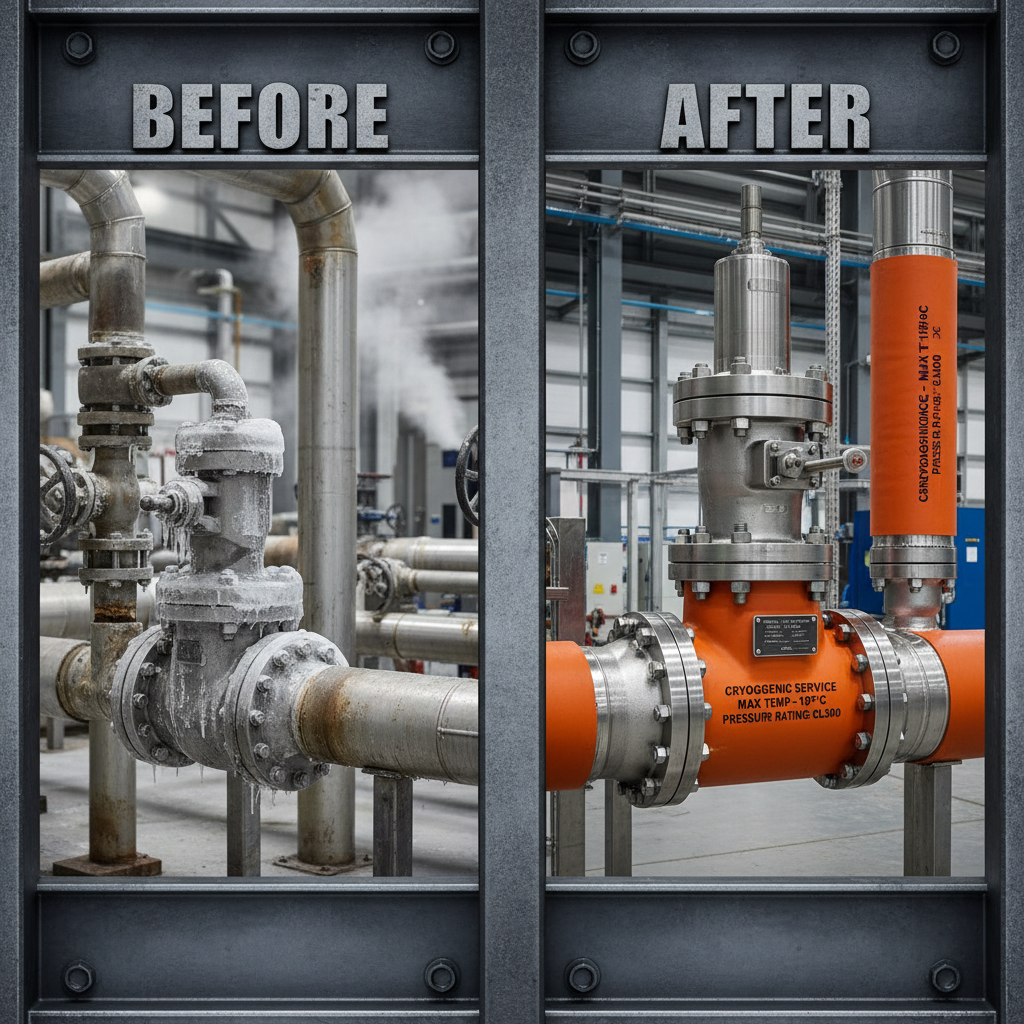
Specific butterfly valve designs are suitable for cryogenic applications, requiring materials like stainless steel and specialized seat materials that remain flexible at extremely low temperatures. Proper insulation is crucial to prevent ice formation and ensure reliable operation. It’s essential to consult with a valve specialist to select the appropriate valve for cryogenic service.
Conclusion
Understanding the different types of butterfly valves – from resilient seated to metal seated, wafer to lug, and the advanced triple offset designs – isn’t just about technical specifications; it’s about making informed decisions that impact project efficiency, safety, and long-term cost savings. Choosing the right valve for the job minimizes downtime, reduces maintenance costs, and ensures reliable operation.
As technology advances, we’ll see even smarter and more sustainable butterfly valve solutions emerge. Embracing these innovations – digital valves, additive manufacturing, and advanced materials – will be crucial for staying ahead of the curve. Don't hesitate to consult with experts, invest in quality components, and prioritize preventative maintenance. A well-chosen and properly maintained butterfly valve is an investment that will pay dividends for years to come.




 English