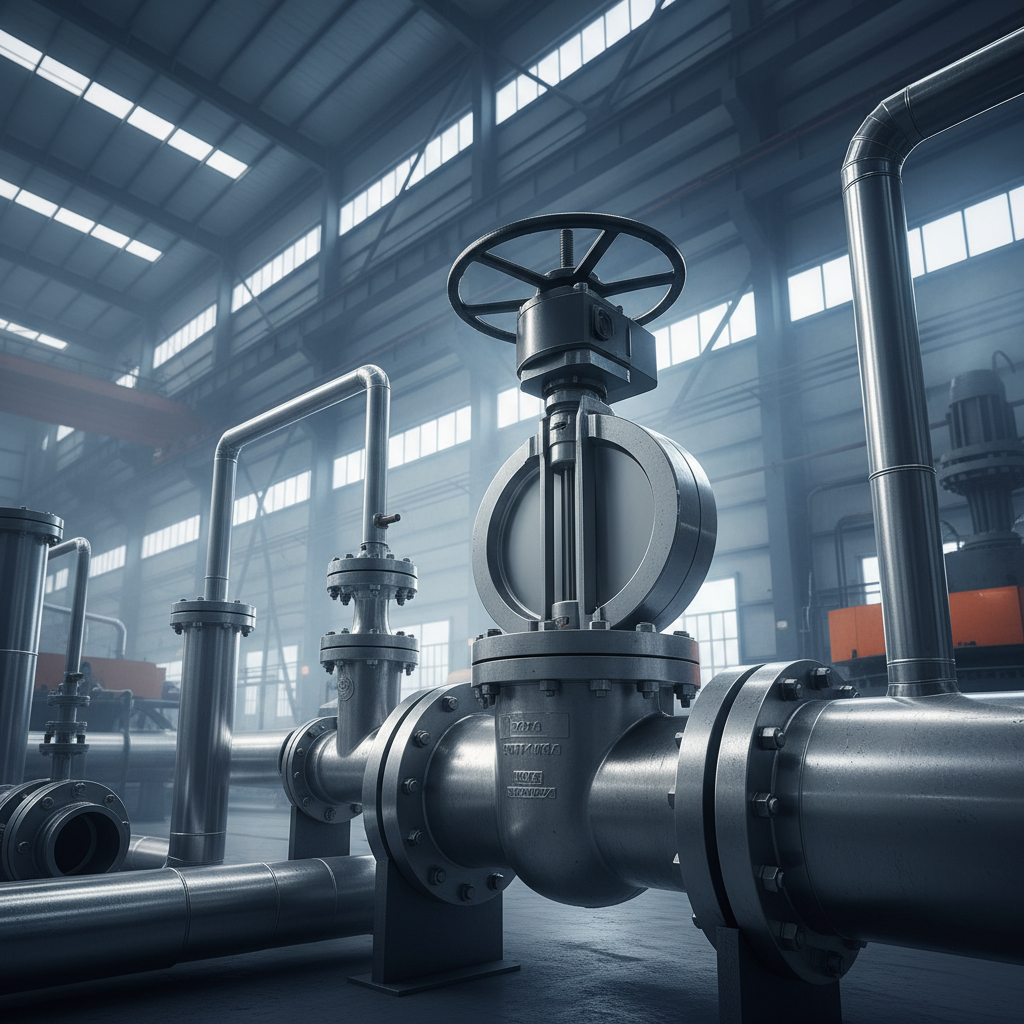
Look, I’ve spent the last twenty years knee-deep in concrete, dust, and deadlines, watching projects rise from the ground. And let me tell you, a reliable flow control system is absolutely critical. That’s where a good type butterfly valve comes in. It's not glamorous, but it's the backbone of efficient operations, whether you're managing water distribution, chemical processing, or even just moving slurry across a construction site. Without them, you’re facing downtime, increased costs, and a whole lot of headaches.
What I’ve seen time and again is that projects live or die on their ability to manage fluids effectively. A poorly chosen valve can bottleneck an entire system, leading to delays and compromises in quality. A type butterfly valve, when spec’d correctly, solves a lot of these issues because it's robust, relatively lightweight, and surprisingly versatile. It’s a workhorse, plain and simple.
And it’s not just about the immediate project. Think about long-term maintenance, lifecycle costs, and the impact on environmental compliance. Selecting the right type butterfly valve now saves money and trouble down the road. That’s something the bean counters often overlook, but we on the ground know it’s vital.
The Essential Role of type butterfly valve
I’ve seen systems grind to a halt because of a valve failure. It's frustrating, costly, and sometimes even dangerous. A type butterfly valve, built to withstand harsh conditions and constant use, minimizes these risks. They’re often the first line of defense against system failures, and that’s something I appreciate after years on construction sites.
It's about more than just preventing leaks. It’s about precise control, efficient operation, and peace of mind. A good valve allows us to optimize flow rates, reduce energy consumption, and maintain consistent performance. And when things go wrong – and they always do – it’s easier to diagnose and repair a well-designed, standard component like a type butterfly valve.
Understanding type butterfly valve: A Practical Definition
Okay, let’s cut through the jargon. A type butterfly valve is a pretty straightforward device. It uses a rotating disc, like a butterfly’s wings, to regulate flow. When the disc is aligned with the flow, the valve is closed; when it’s rotated 90 degrees, the valve is fully open. It's simple, efficient, and surprisingly effective.
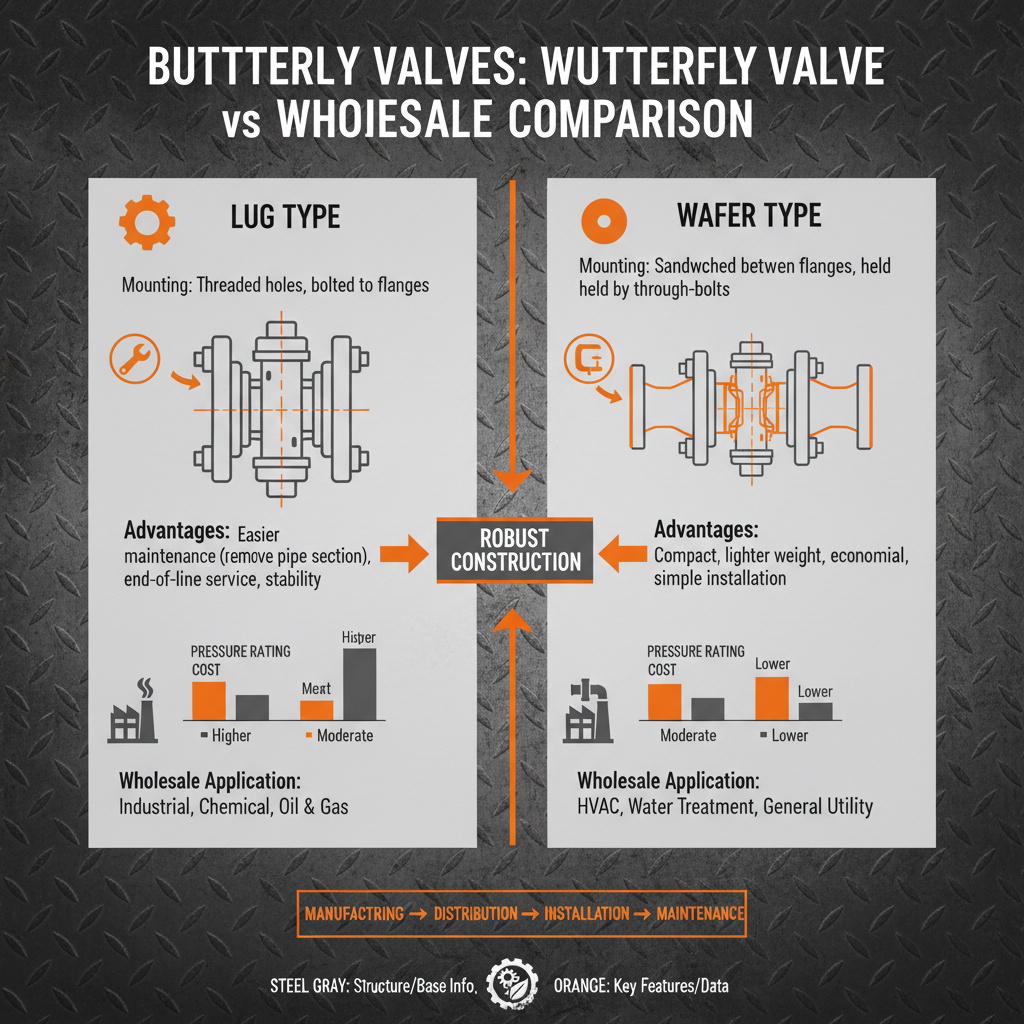
Compared to some other valve types, they’re relatively lightweight and compact, which makes installation easier, especially in tight spaces. I've had crews thank me for spec'ing these over gate valves on projects where every inch counts. They’re also quicker to operate, meaning less downtime and faster throughput.
They're integral to modern infrastructure. From wastewater treatment plants ensuring clean water supplies to chemical plants safely managing hazardous materials, the reliable control provided by a type butterfly valve is essential for maintaining public health and safety.
Key Characteristics of Robust type butterfly valve
Durability is the first thing I look for. These valves take a beating – pressure surges, temperature fluctuations, corrosive fluids. A well-built type butterfly valve needs to withstand that. Material selection is key: stainless steel, ductile iron, even specialized polymers depending on the application.
Then there's sealing. You need a tight seal to prevent leaks and maintain consistent pressure. Different designs – resilient seat, metal seat – offer varying degrees of tightness and are suited for different fluids. Understanding those nuances is crucial.
Finally, ease of maintenance matters. Can you quickly inspect it? Replace a seat? The simpler the design, the easier it is to keep it running smoothly. I've seen too many complex valves become nightmares to maintain in the field.
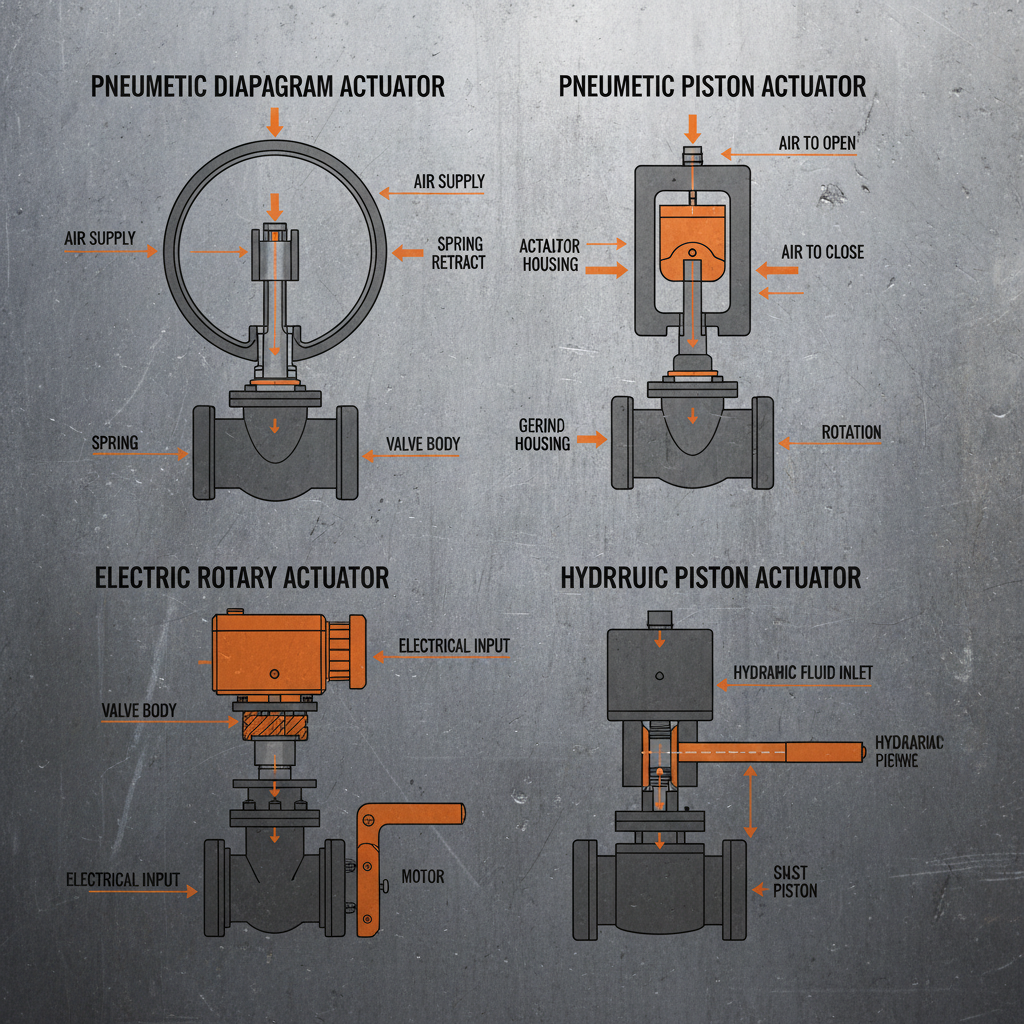
A key thing I tell younger engineers is that a type butterfly valve isn't just a component; it's part of a system. How it integrates with the piping, the actuators, the control system – all that matters. You can't just slap it in and hope for the best.
Diverse Applications of type butterfly valve Across Industries
I’ve used type butterfly valves on everything from massive water treatment facilities to small-scale irrigation systems. They're incredibly versatile. In power plants, they regulate cooling water flow. In chemical processing, they control the movement of corrosive fluids. In HVAC systems, they manage airflow.
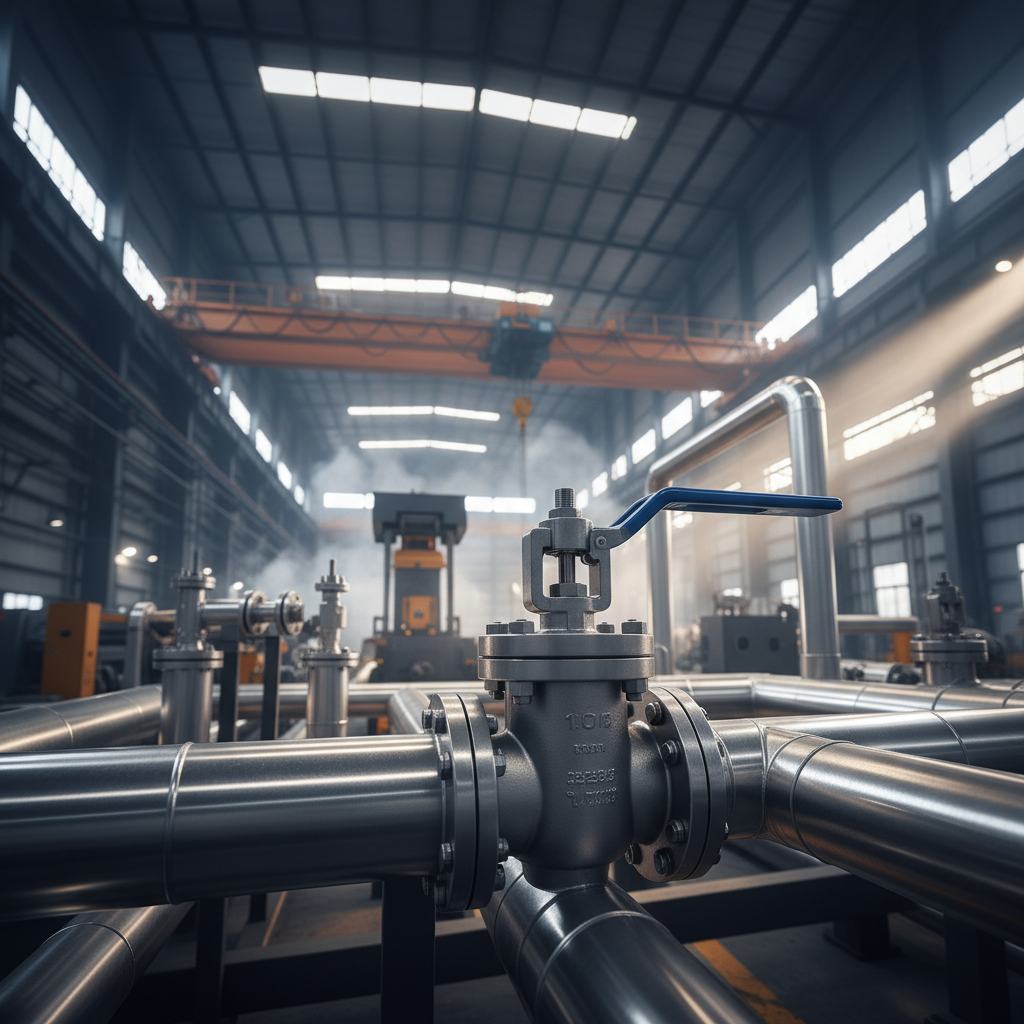
On construction sites, we use them for temporary water lines, dewatering pumps, and even controlling the flow of concrete slurry. They’re tough enough to handle the rough conditions and frequent movement. It’s that adaptability that makes them so valuable.
Application of type butterfly valve by Industry
The Long-Term Advantages of Utilizing type butterfly valve
The initial cost of a type butterfly valve might not always be the lowest, but considering the lifecycle costs, it often comes out ahead. Their robustness means fewer replacements, less downtime, and lower maintenance expenses.
They also contribute to sustainability. Precise flow control reduces energy consumption and minimizes waste. And with proper material selection, they can operate reliably for decades, reducing the need for frequent replacements and minimizing environmental impact.
Future Trends and Innovations in type butterfly valve Technology
We’re seeing a move towards smarter valves, integrated with sensors and control systems. These “intelligent” type butterfly valves can monitor their own performance, predict potential failures, and even adjust flow rates automatically. It's a game-changer for remote operations and preventative maintenance.
There’s also a lot of innovation in materials. New alloys and polymer composites are offering improved corrosion resistance, higher temperature capabilities, and lighter weight. And with the growing focus on sustainability, we’re seeing more and more valves designed for minimal environmental impact.
Common Challenges and Effective Solutions for type butterfly valve
Cavitation is a big one. If the pressure drops too low, vapor bubbles can form and collapse, damaging the disc. Proper valve sizing and flow control are key to preventing this. We’ve also seen issues with debris buildup in some applications. Installing strainers upstream can help.
Another challenge is selecting the right material for corrosive fluids. Stainless steel is a good starting point, but you may need more specialized alloys or polymers for particularly aggressive chemicals. It always comes down to understanding the specific application and choosing a valve that’s up to the task.
Finally, ensuring proper installation and maintenance is critical. A poorly installed valve is a recipe for disaster. Training your crews and providing clear instructions can save you a lot of headaches down the road.
Analysis of Common type butterfly valve Failure Modes
| Failure Mode |
Likelihood (1-10) |
Impact on Operations |
Preventative Measures |
| Disc Corrosion |
6 |
Moderate |
Select corrosion-resistant materials |
| Seat Leakage |
7 |
Significant |
Regular inspection and seat replacement |
| Actuator Failure |
5 |
High |
Preventative maintenance and redundant systems |
| Cavitation Damage |
4 |
Severe |
Proper valve sizing and flow control |
| Debris Blockage |
8 |
Minor |
Install upstream strainers |
| Stem Packing Failure |
6 |
Moderate |
Regular packing adjustment or replacement |
FAQS
In many industrial settings, type butterfly valves offer several advantages over gate valves. They are lighter, more compact, and typically faster to operate, which translates to reduced downtime and increased efficiency. They also require less maintenance and are generally more cost-effective for larger diameter pipes. While gate valves excel in complete shut-off, butterfly valves provide a better balance of flow control and reliability in many applications.
Sizing a type butterfly valve correctly is crucial for optimal performance. It involves considering several factors, including the pipeline diameter, flow rate, pressure drop, and the fluid's properties. Consult with a valve specialist or use sizing software to ensure accurate calculations. Undersizing can cause excessive pressure drop and cavitation, while oversizing can lead to poor flow control and increased costs.
Common materials for type butterfly valve construction include ductile iron, stainless steel, and various polymers. Ductile iron offers good strength and corrosion resistance for general applications. Stainless steel is ideal for corrosive environments and high-temperature services. Polymers are used for specific applications where chemical compatibility is essential. The material selection directly impacts the valve’s durability, lifespan, and ability to handle different fluids.
A typical maintenance schedule for a type butterfly valve includes regular inspection of the disc, seat, stem packing, and actuator. Lubricate moving parts as needed and check for signs of corrosion or wear. The frequency of maintenance depends on the application and operating conditions. It’s best practice to keep a log of all maintenance activities for future reference.
The seat is a critical component affecting sealing performance. Resilient seats (e.g., EPDM, PTFE) provide a tight seal at lower pressures and are suitable for many general applications. Metal seats offer higher temperature resistance and are preferred for applications requiring a bubble-tight shut-off at high pressures. Choosing the correct seat material is vital for preventing leaks and ensuring reliable operation of the type butterfly valve.
Yes, several certifications and standards ensure quality and reliability. Look for valves certified to ISO 9001 for quality management, API 598 for manufacturing, and FM or UL listings for specific applications. These certifications demonstrate that the type butterfly valve has been tested and meets industry standards for performance and safety. Adherence to these standards can offer peace of mind and ensure long-term operational integrity.
Conclusion
Ultimately, a type butterfly valve isn’t just a piece of equipment; it’s a foundational element of any fluid control system. Understanding its characteristics, applications, and potential challenges is critical for engineers, project managers, and anyone involved in building and maintaining infrastructure. When chosen and implemented correctly, it delivers reliability, efficiency, and long-term cost savings.
Investing in quality valves, proper training for maintenance personnel, and staying abreast of the latest innovations will pay dividends for years to come. Don't underestimate the importance of this often-overlooked component. If you're looking for reliable flow control solutions, visit our website at www.savvyvalvestech.com to learn more.




 English