0%

Table of Contents

Let's talk 1 1 2 butterfly valve. You see 'em everywhere on a site like mine – water treatment, HVAC, even fire protection systems. They’re not glamorous, but they're the workhorses, controlling flow where you need it, when you need it. I’ve seen plenty of valve failures slow down projects, and frankly, a good butterfly valve, properly spec’d and installed, can save you a ton of headaches. It’s about keeping things moving, keeping things safe, and keeping the schedule on track. That’s what matters out here.

What I appreciate about a well-made 1 1 2 butterfly valve is its simplicity. We’re not dealing with complex internals or a lot of moving parts. It's straightforward, easy to understand, and relatively easy to maintain in the field. That matters when you're elbow-deep in a mechanical room and need to get things fixed fast. And let's be real, a lot of our crew aren’t valve experts, so ease of operation is a big plus.

I've been working construction sites for over 20 years, and I've seen valve technology evolve. But the core principles of reliable flow control, especially in a demanding environment, remain constant. A 1 1 2 butterfly valve offers a sweet spot between cost, performance, and ease of use, and that’s why I spec them so often. You need a valve you can trust, and these typically deliver.
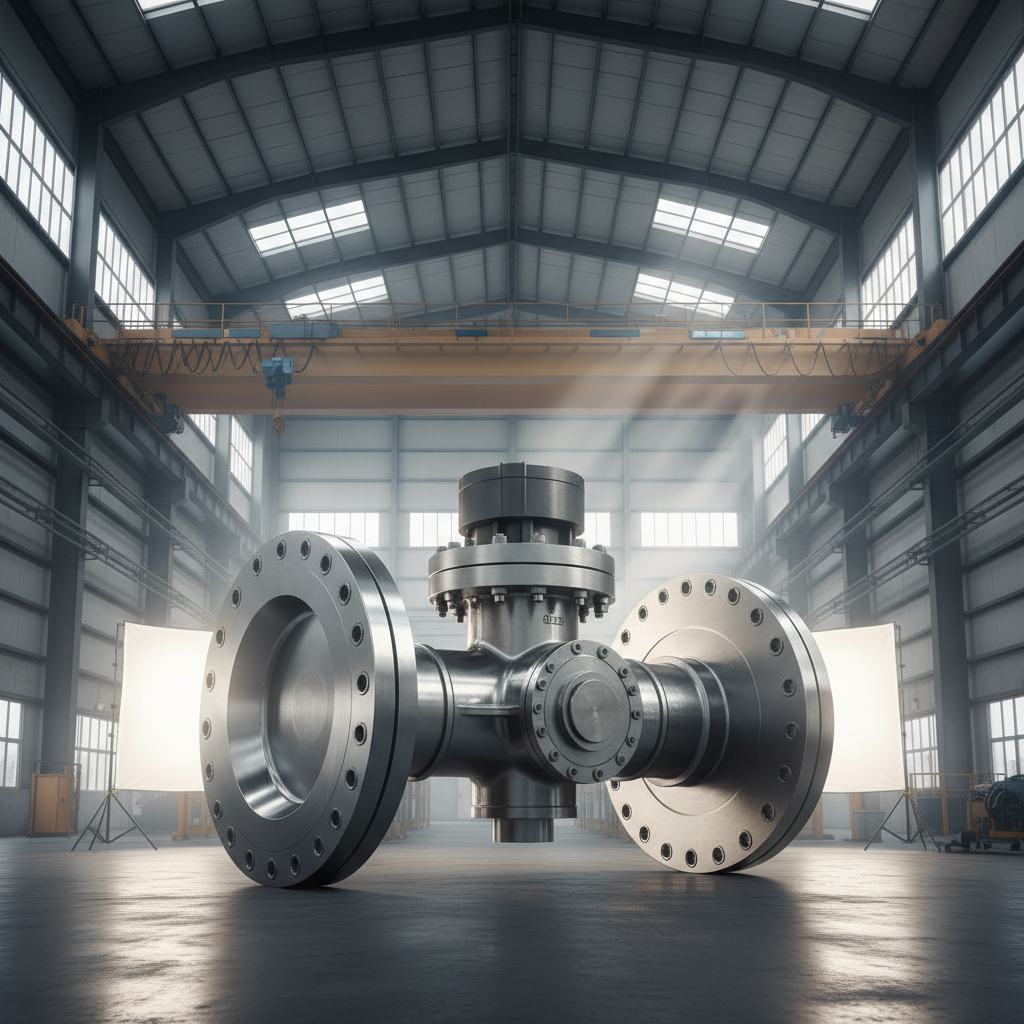
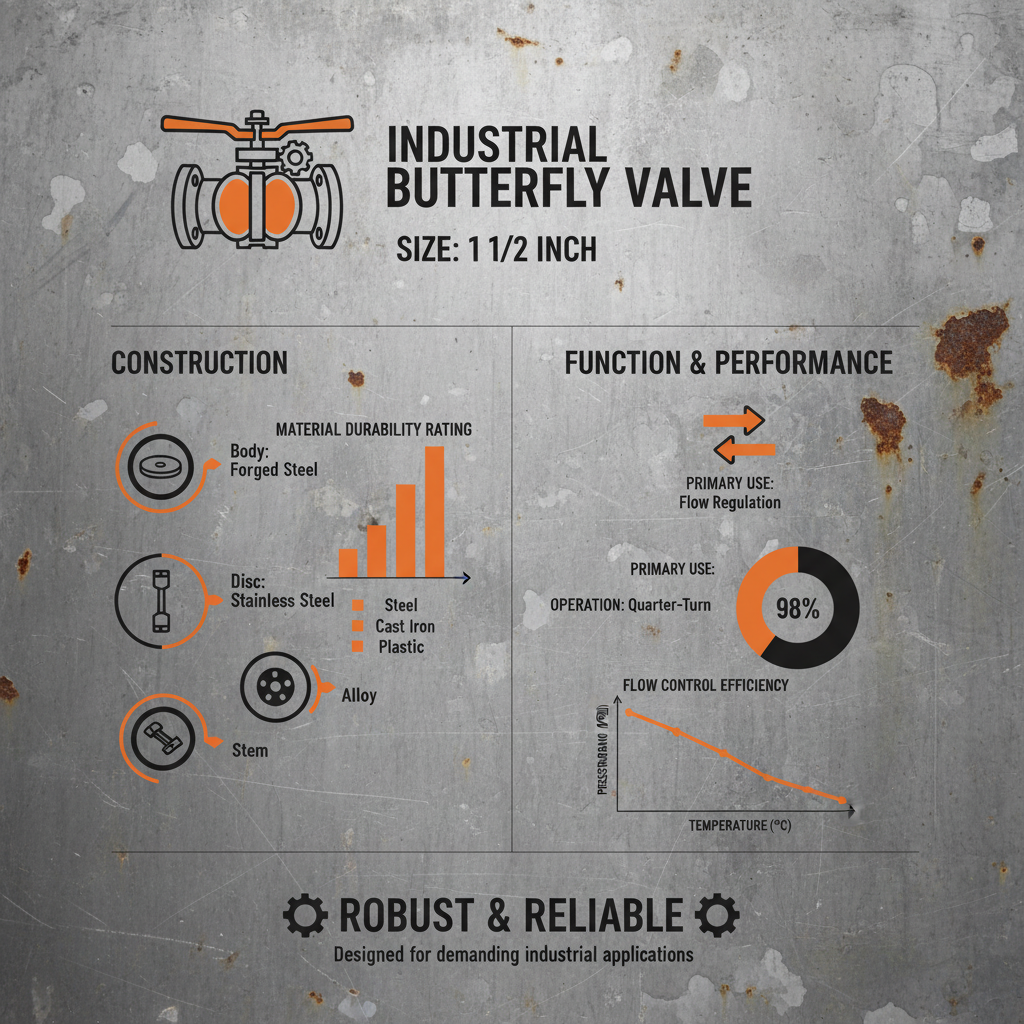
Essential Guide to 1 1 2 Butterfly Valve Selection and Performance

The Importance of 1 1 2 Butterfly Valve in Construction

Essential Guide to 1 1 2 Butterfly Valve Selection and Performance

You’ll find 1 1 2 butterfly valve systems everywhere a fluid needs controlled movement. Think about large-scale water distribution for cooling towers, or regulating flow within a complex HVAC system. They’re essential for managing pressure and ensuring consistent operation. Globally, construction projects represent a massive market for these valves; according to the UN, infrastructure spending is projected to reach trillions in the coming decade, and reliable flow control is non-negotiable. A failure here isn’t just a repair bill; it’s a project delay, potentially costing tens of thousands a day.

The challenge we face is selecting a valve that can withstand the harsh realities of a construction site – vibration, temperature fluctuations, and often, less-than-ideal maintenance. It’s easy to go cheap and buy something that looks the part, but it won’t hold up. That’s where understanding material science and proper specification comes in, and why a durable 1 1 2 butterfly valve is worth the investment.

Defining 1 1 2 Butterfly Valve for Practical Application

Simply put, a 1 1 2 butterfly valve uses a disc-shaped plate that rotates within the valve body to control fluid flow. It’s a quarter-turn valve, meaning it only takes 90 degrees to go from fully open to fully closed. Compared to gate valves or globe valves, they’re lighter, more compact, and generally less expensive. This makes them ideal for large-diameter pipes where space and weight are concerns.

They're a crucial component in modern industrial infrastructure, allowing for precise control of liquids, gases, and even some slurries. In humanitarian applications, reliable water distribution systems—often employing these valves—are vital for public health and sanitation, especially in disaster relief or developing regions. They connect directly to basic human needs, whether people realize it or not.

I’ve found that understanding the type of fluid and its properties is critical. A 1 1 2 butterfly valve handling potable water will have different material requirements than one used in a wastewater treatment plant. You need to consider corrosion resistance, temperature limitations, and potential for abrasion.

Key Characteristics of Robust 1 1 2 Butterfly Valves

Durability is paramount. We look for valves constructed from materials like ductile iron or stainless steel, with robust seals that can withstand continuous cycling and exposure to harsh environments. The epoxy coating is also important for preventing corrosion. I've seen too many valves fail prematurely because of cheap materials.

Another key factor is pressure rating. A 1 1 2 butterfly valve needs to be able to handle the maximum system pressure without leaking or failing. We always over-spec the pressure rating a bit to provide a safety margin. It’s a small price to pay for peace of mind.

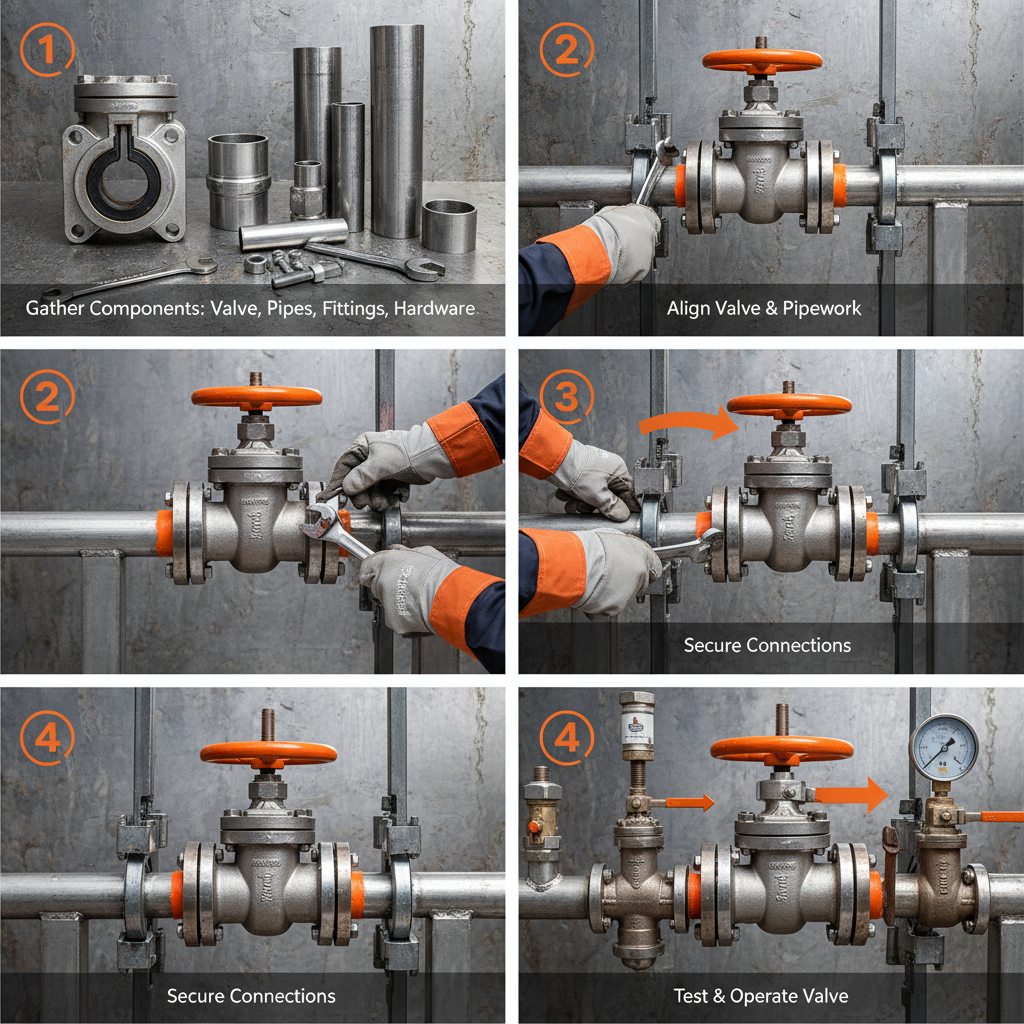
Ease of installation and maintenance also matters. Flanged connections are common and relatively straightforward for our crews to handle. Quick access to the seals for inspection and replacement is a big plus. You don’t want to be stuck spending hours trying to disassemble a complex valve in a cramped space.

Performance Metrics for 1 1 2 Butterfly Valve Selection

When choosing a 1 1 2 butterfly valve, we look beyond just the material and pressure rating. Tight shut-off is essential – we need minimal leakage to avoid wasted resources and potential hazards. Flow coefficient (Cv) is another critical metric, telling us how much flow the valve can handle with a given pressure drop.

We also consider the torque required to operate the valve, especially for larger sizes. This dictates the type of actuator needed – manual, pneumatic, or electric. For remote locations or automated systems, actuators are a must-have.

1 1 2 Butterfly Valve Performance Comparison


Real-World Applications of 1 1 2 Butterfly Valves

I see these valves constantly in commercial HVAC systems, controlling chilled water and hot water flow. They’re also common in fire suppression systems, providing reliable shut-off in emergency situations. In wastewater treatment plants, they regulate flow through various stages of the process.

Out in the field, I’ve worked on projects using 1 1 2 butterfly valve in remote oil and gas facilities, where reliability is critical. They’ve also been used extensively in irrigation systems in agricultural areas, helping to conserve water and optimize crop yields.

Long-Term Value and Return on Investment

Investing in a quality 1 1 2 butterfly valve upfront pays dividends in the long run. Fewer repairs, less downtime, and increased operational efficiency all contribute to a lower total cost of ownership. A valve failure can halt a project, leading to significant financial losses.

The reliability of these valves also enhances safety. A malfunctioning valve can create hazardous conditions, and a robust, dependable valve minimizes that risk. That peace of mind is invaluable.

Plus, a well-maintained valve system contributes to sustainability by reducing water waste and energy consumption. It’s a small step, but it adds up.

Future Trends in 1 1 2 Butterfly Valve Technology

I'm seeing a lot of interest in smart valves with integrated sensors and remote monitoring capabilities. These allow us to track valve performance in real-time, predict potential failures, and optimize flow control. Digital integration is the way forward.

New materials are also emerging, offering improved corrosion resistance and higher temperature capabilities. Lightweight alloys and advanced polymers are making valves more durable and efficient.

The push for sustainability is driving the development of valves designed for reduced water consumption and energy efficiency. It’s about building a more resilient and environmentally responsible infrastructure.

Summary of Factors Influencing 1 1 2 Butterfly Valve Performance

Material Composition Operational Pressure Seal Integrity Maintenance Frequency
Ductile Iron/Stainless Steel 150-250 PSI Excellent (Zero Leakage) Annually
PVC/CPVC 100-150 PSI Good (Minimal Leakage) Bi-Annually
Aluminum Bronze 200-300 PSI Very Good (Low Leakage) Every 18 Months
Carbon Steel (Epoxy Coated) 250-400 PSI Good (Moderate Leakage) Semi-Annually
Stainless Steel 316 300-500 PSI Excellent (Zero Leakage) Every 2 Years
Polypropylene 50-100 PSI Fair (Some Leakage) Quarterly

FAQS

What is the typical lifespan of a 1 1 2 butterfly valve in a standard commercial application?

In a typical commercial setting, a properly installed and maintained 1 1 2 butterfly valve can realistically last between 10 and 20 years. However, this heavily depends on the fluid being handled, the operating pressure, and the quality of the valve itself. Consistent inspection and periodic maintenance, like replacing seals, are crucial to maximizing its lifespan. I've seen cheaper valves fail within five years, while high-quality valves are still going strong after two decades.

How do I determine the correct pressure rating for a 1 1 2 butterfly valve?

You always want to overestimate rather than underestimate. First, identify the maximum operating pressure of your system. Then, select a valve with a pressure rating that exceeds that value by at least 20-30%. This provides a safety margin to account for pressure surges or unexpected fluctuations. Failing to do so can lead to catastrophic failure and costly repairs. Consult the system’s design specifications and local codes to ensure compliance.

What are the common causes of leakage in a 1 1 2 butterfly valve?

Leakage is often caused by worn or damaged seals. Corrosion, chemical attack, or physical damage can degrade the seal over time. Another common cause is improper installation or tightening of the valve. Debris lodged between the disc and the seat can also lead to leakage. Regular inspection and preventative maintenance, including seal replacement, can minimize these issues.

Can a 1 1 2 butterfly valve be used for corrosive fluids?

Yes, but the valve material needs to be compatible with the specific corrosive fluid. Stainless steel, PTFE-lined valves, or valves made from other corrosion-resistant alloys are typically used in these applications. You need to carefully consider the chemical composition of the fluid and select a valve material that won't react with it. Ignoring this can lead to rapid valve deterioration and failure.

What’s the difference between a lug-type and a wafer-type 1 1 2 butterfly valve?

A wafer-type valve is typically less expensive and lighter, but it requires flanges on the pipeline for mounting. Lug-type valves have lugs that allow for mounting directly between flanges without additional hardware, making installation easier. Lug types also tend to be more robust and suitable for higher-pressure applications. The choice depends on your specific needs and budget.

How often should I inspect and maintain my 1 1 2 butterfly valve?

At a minimum, you should visually inspect your 1 1 2 butterfly valve annually. Look for signs of corrosion, leakage, or damage. More frequent inspections are recommended for critical applications or harsh environments. Regular maintenance, such as lubricating the stem and replacing seals, should be performed as needed, following the manufacturer's recommendations. Keeping a maintenance log can help track performance and identify potential issues before they escalate.

Conclusion

A 1 1 2 butterfly valve, when chosen and maintained correctly, is a vital component of any robust fluid control system. Its simplicity, reliability, and cost-effectiveness make it a workhorse for countless applications, from construction sites to water treatment plants. Prioritizing quality materials, proper installation, and consistent maintenance will ensure years of dependable operation.

Looking ahead, advancements in smart valve technology and materials science will continue to enhance the performance and longevity of these critical components. Investing in these improvements will not only reduce operational costs but also contribute to more sustainable and efficient infrastructure. For reliable flow control, don't skimp – choose a 1 1 2 butterfly valve built to last.

Ethan Bellwether

Ethan Bellwether

Ethan Bellwether is a Senior Applications Engineer at Savvy Valves, bringing over 15 years of experience in the oil & gas industry to the team. He specializes in valve selection and integration for complex petrochemical applications. Ethan's expertise lies in understanding the intricacies of high-pressure, high-temperature environments and ensuring our
Previous The Critical Role of a 1 1 2 inch butterfly valve in Modern Engineering Projects
Next Reliable Flow Control with a Quality type butterfly valve for Efficient Operations
en_USEnglish