Cryogenic valve specification is a critical element in a wide range of industries dealing with extremely low temperatures, typically below -150°C (-238°F). These valves control the flow of liquefied gases like nitrogen, oxygen, argon, and helium, necessitating specialized design and materials to prevent failures and ensure safe operation. Understanding cryogenic valve specification is paramount for maintaining efficiency, preventing costly downtime, and upholding stringent safety standards in these applications.
The global demand for cryogenic technologies is growing rapidly, driven by advancements in sectors like medical imaging (MRI), space exploration, liquefied natural gas (LNG) production and transportation, and industrial cooling. The United Nations and various global initiatives are focusing on energy efficiency and sustainable cooling solutions, further increasing the need for reliable and high-performance cryogenic systems, and therefore, demanding meticulous cryogenic valve specification. According to the World Bank, investment in LNG infrastructure is projected to reach trillions of dollars in the coming decades, creating a substantial market for these specialized valves.
Proper cryogenic valve specification isn’t merely a technical detail; it’s a foundational aspect of operational success. Ignoring stringent requirements can lead to valve malfunction, potentially causing catastrophic failures, environmental hazards, and significant financial losses. Therefore, a deep understanding of material science, engineering principles, and industry standards is crucial when selecting and implementing these critical components. A reliable cryogenic valve specification helps organizations maintain a competitive edge and ensures long-term sustainability.
Introduction to Cryogenic Valve Specification
Cryogenic valve specification encompasses a detailed set of requirements governing the design, materials, manufacturing, and testing of valves intended for use with cryogenic fluids. It extends beyond simply selecting a valve; it’s about ensuring compatibility with the specific fluid, operating conditions, and safety protocols. Incorrect cryogenic valve specification can lead to material embrittlement, seal failure, and potentially hazardous leaks.
The complexity arises from the unique challenges posed by cryogenic temperatures. Materials exhibit drastically altered properties at these temperatures, requiring careful consideration of factors like thermal contraction, ductility, and resistance to embrittlement. A well-defined cryogenic valve specification mitigates these risks, ensuring reliable and safe operation in demanding applications.
Defining Cryogenic Valve Specification
In essence, cryogenic valve specification is the blueprint for ensuring a valve can reliably and safely control cryogenic fluids. It’s a comprehensive document outlining the materials, construction methods, testing procedures, and performance criteria that the valve must meet. This specification is often guided by industry standards such as those set by ANSI, ASTM, and ISO, but may also be tailored to specific application requirements.
This definition isn’t limited to just the valve itself; it includes ancillary components like actuators, seals, and insulation, all of which must be compatible with cryogenic conditions. A comprehensive specification minimizes the risk of failure due to mismatched materials or inadequate design.
The connection to modern industry and humanitarian needs is significant. From enabling medical advancements like MRI to supporting the sustainable transport of LNG as a cleaner energy source, cryogenic valves are integral to a wide range of critical applications. Properly defined specification ensures the reliability and efficiency of these processes.
Core Components of Cryogenic Valve Design
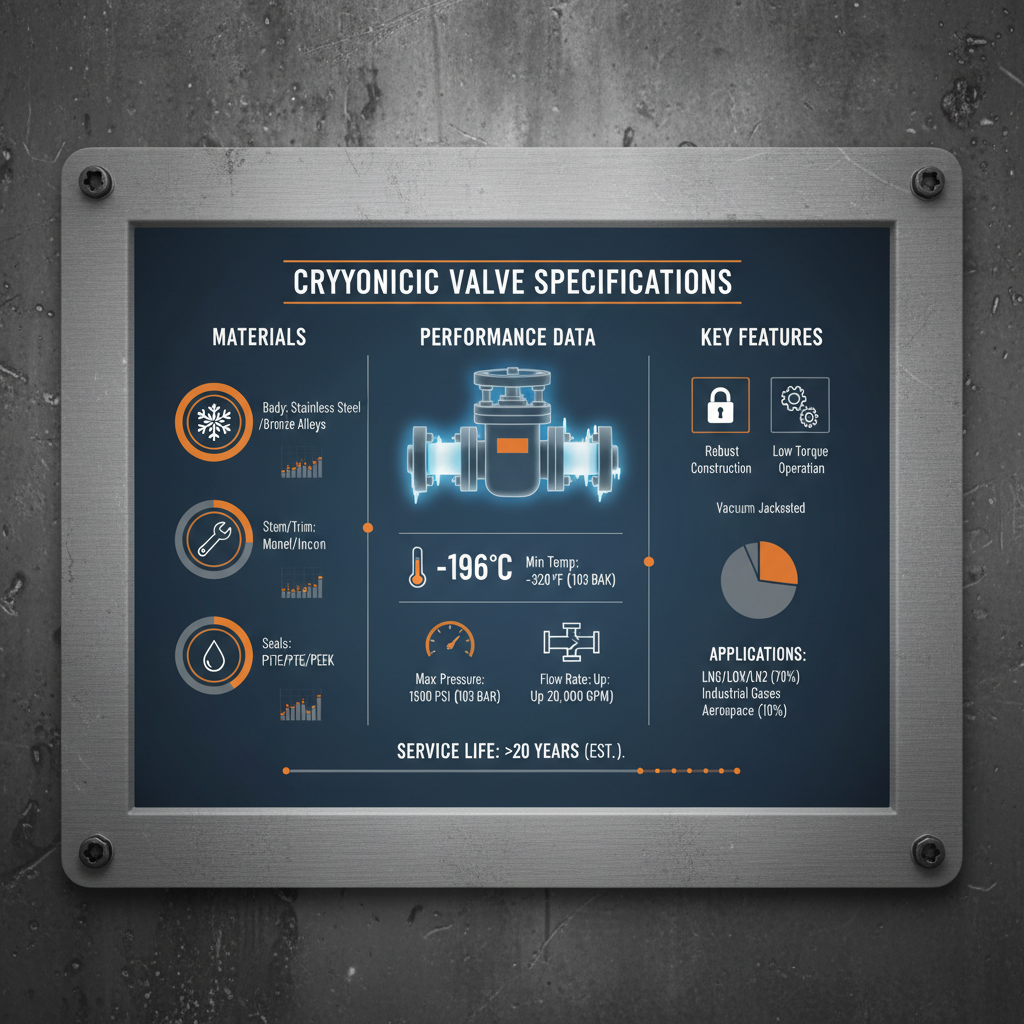
Several core components are central to successful cryogenic valve specification. Firstly, material selection is paramount. Austenitic stainless steels (like 304 and 316) and certain nickel alloys are commonly used for their ductility and resistance to embrittlement at low temperatures. Secondly, valve bonnet design must account for thermal contraction, preventing leaks due to differential expansion. Thirdly, seal materials such as PTFE and PCTFE are chosen for their flexibility and low-temperature performance.
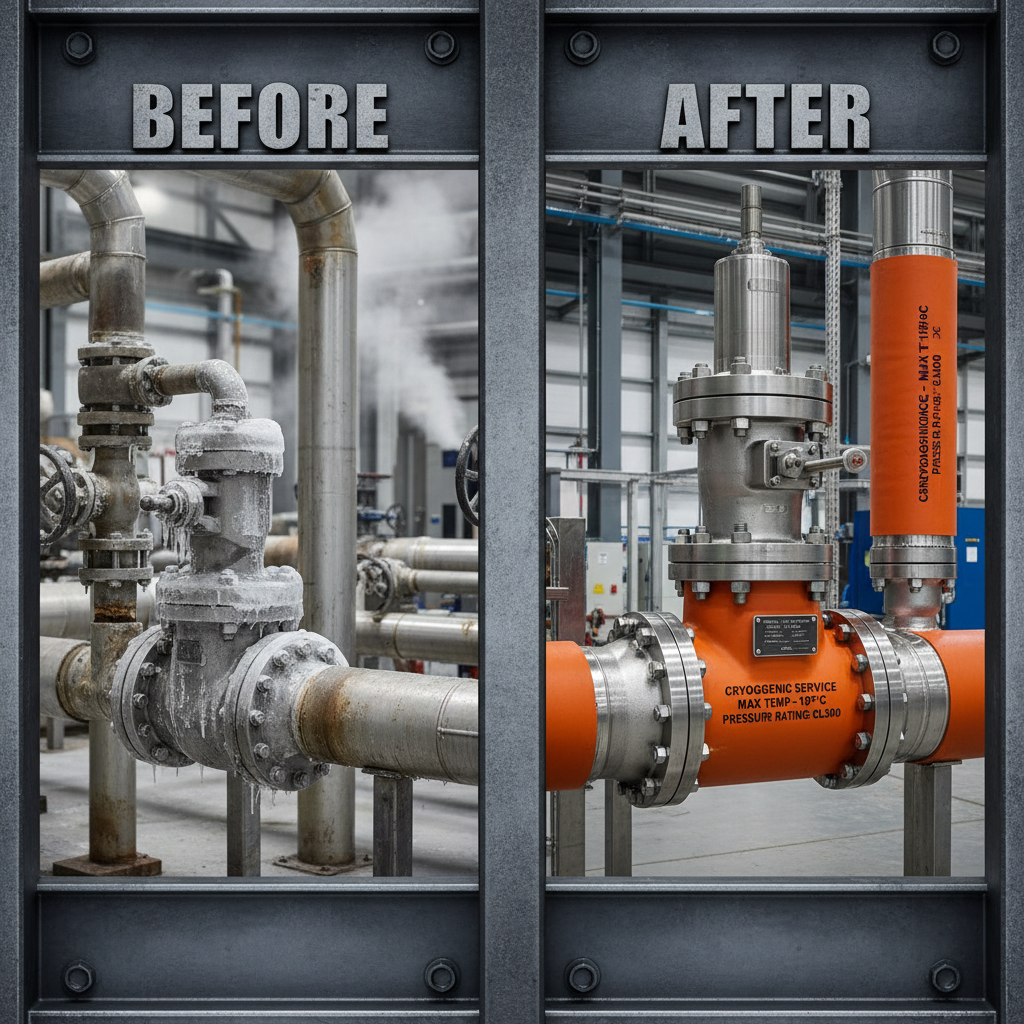
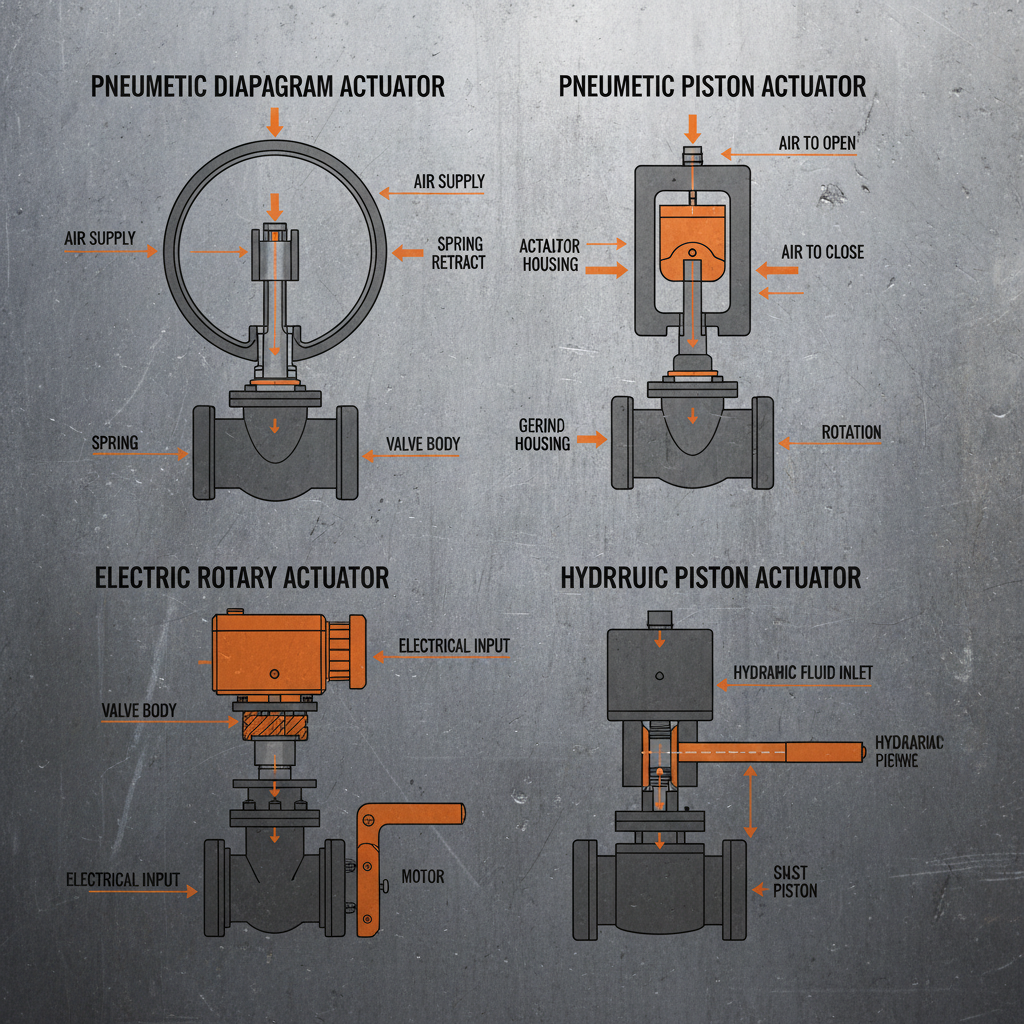
Furthermore, insulation is critical to minimize heat transfer and prevent ice formation, which can impede valve operation. Finally, valve actuation systems must function reliably in cryogenic environments. These components work in concert, and their specification must be carefully coordinated to ensure optimal performance and safety. Choosing the right combination is central to delivering a robust and dependable cryogenic valve.
These elements are all interconnected and must adhere to the overall cryogenic valve specification guidelines. Each component’s choice directly impacts the valve’s overall effectiveness and durability when used with cryogenic fluids. Therefore, it's crucial for engineers to consider all components holistically when creating the blueprint.
Performance Characteristics and Testing
Key performance characteristics in cryogenic valve specification include leak tightness, pressure drop, and cycle life. Leak tightness is particularly critical, as even small leaks of cryogenic fluids can lead to significant losses and potential hazards. The allowable leak rate is typically specified in accordance with industry standards. Pressure drop must also be minimized to maintain system efficiency.
Comprehensive testing is essential to verify that the valve meets the specified performance criteria. This includes hydrostatic testing at room temperature, cryogenic cycling to simulate real-world operating conditions, and leak testing using helium or other tracer gases. Non-destructive testing methods, such as radiography and ultrasonic inspection, are also used to detect any internal flaws.
Cryogenic Valve Specification Testing Parameters
Global Applications and Industry Sectors
Cryogenic valves are vital in numerous industries globally. The LNG industry utilizes these valves extensively for the liquefaction, storage, and transportation of natural gas. Space exploration relies on them for propellant management and cryogenic testing of spacecraft components.
In the medical field, MRI machines require liquid helium-cooled superconducting magnets, necessitating highly reliable cryogenic valves. Furthermore, industrial gas producers and users employ them for the storage and distribution of gases like nitrogen and oxygen. Regions with significant LNG infrastructure, such as Qatar, Australia, and the United States, are major consumers of these valves.
Advantages and Long-Term Value Proposition
The advantages of meticulous cryogenic valve specification extend beyond immediate operational benefits. Reduced downtime and maintenance costs are significant outcomes, stemming from the increased reliability of well-specified valves. Enhanced safety is paramount, minimizing the risk of leaks and potential hazards.
From a sustainability perspective, efficient cryogenic systems contribute to reduced energy consumption and lower emissions. These systems, reliant on careful cryogenic valve specification, provide organizations with a responsible operating approach. The long-term value proposition lies in the combined effect of these advantages: improved efficiency, reduced costs, enhanced safety, and a commitment to sustainability.
Future Trends and Innovations in Cryogenic Valves
The future of cryogenic valve specification is being shaped by several emerging trends. Advances in materials science are leading to the development of new alloys with improved low-temperature properties. Digitalization and the Industrial Internet of Things (IIoT) are enabling remote monitoring and predictive maintenance of valves, enhancing reliability and reducing downtime.
Automation technologies are streamlining valve operation and control. The increasing focus on green energy and sustainable cooling solutions is driving demand for more efficient and environmentally friendly cryogenic systems. Further, additive manufacturing (3D printing) offers the potential for customized valve designs and faster prototyping.
These innovations collectively point towards a future where cryogenic valve specification will be increasingly sophisticated, leveraging technology to optimize performance, safety, and sustainability. The ongoing quest for improved efficiency and reliability will continue to drive advancements in this critical field.
Key Parameters Influencing Cryogenic Valve Performance
| Valve Type |
Material Composition |
Operating Temperature Range (°C) |
Leakage Rate (ppm) |
| Ball Valve |
304 Stainless Steel |
-196 to 85 |
10 |
| Gate Valve |
316 Stainless Steel |
-269 to 120 |
5 |
| Butterfly Valve |
Nickel Alloy |
-196 to 200 |
2 |
| Globe Valve |
Monel 400 |
-180 to 150 |
8 |
| Check Valve |
Inconel 625 |
-253 to 100 |
3 |
| Plug Valve |
Hastelloy C-276 |
-196 to 175 |
7 |
FAQS
The selection of appropriate materials is paramount. Austenitic stainless steels (304, 316) and nickel alloys are commonly favored due to their maintained ductility at cryogenic temperatures, preventing brittle fracture. The material must also be compatible with the specific cryogenic fluid being handled to avoid corrosion or other forms of degradation. Ensuring the material meets relevant ASTM standards is also crucial for consistent quality and performance.
Thermal contraction is a significant challenge as materials shrink considerably at cryogenic temperatures. This differential contraction can cause stress on valve components and lead to leaks. Mitigation strategies include employing flexible seals, designing valve bonnets with sufficient travel to accommodate contraction, and using materials with similar coefficients of thermal expansion. Precise calculations and thorough testing are crucial during the design phase.
Cryogenic valves demand extremely low leakage rates. Typical requirements are often in the parts-per-million (ppm) range. Leak testing is commonly conducted using helium, as its small molecular size enables it to easily detect even minute leaks. Helium leak detectors are used to measure the concentration of helium escaping from the valve, ensuring it falls within acceptable limits.
Valve insulation is critical for minimizing heat transfer into the cryogenic fluid, preventing boil-off and maintaining the desired low temperature. Effective insulation reduces energy consumption and maintains process efficiency. Vacuum jacketing, multi-layer insulation (MLI), and foam insulation are commonly used materials. The choice of insulation depends on the specific application and temperature requirements.
Seal materials must maintain their flexibility and sealing properties at cryogenic temperatures. Common choices include PTFE (Teflon) and PCTFE, which exhibit good low-temperature performance. The seal design must account for thermal contraction and ensure a tight seal even under extreme temperature variations. Regular inspection and replacement of seals are crucial for maintaining valve integrity.
Key industry standards include those published by ANSI, ASTM, and ISO. Specific standards relevant to cryogenic valves cover materials, design, manufacturing, and testing. Compliance with these standards ensures quality, safety, and reliability. Certifications such as ISO 9001 (Quality Management System) and pressure equipment directives demonstrate a commitment to rigorous quality control.
Conclusion
In conclusion, cryogenic valve specification is a complex and vital process underpinning the safe and efficient operation of numerous critical industries. Careful consideration of material selection, design, testing, and adherence to industry standards is paramount. A thorough understanding of these factors ensures reliable performance, minimizes risks, and maximizes the longevity of cryogenic systems.
Looking ahead, continued innovation in materials science, digitalization, and automation will further enhance the capabilities of cryogenic valves. Prioritizing ongoing research and development, and embracing new technologies, will enable the creation of even more robust, efficient, and sustainable cryogenic solutions. For detailed information on cryogenic valve specification and solutions tailored to your needs, visit our website at savvyvalvetech.com.




 English