Choke valve specification is a critical aspect of flow control systems, impacting efficiency, safety, and reliability across numerous industries. Understanding these specifications isn't simply a matter of technical detail; it's foundational for optimizing processes, preventing costly downtime, and ensuring operational integrity. From upstream oil and gas to chemical processing and power generation, precise choke valve selection, guided by rigorous specifications, is paramount.
The global demand for efficient and reliable flow control solutions continues to rise, driven by infrastructure development, increasing energy consumption, and stricter environmental regulations. According to the World Bank, investment in infrastructure is projected to reach trillions of dollars in the coming decades, much of which will rely on precise flow control. This creates a substantial market for choke valves meeting specific operational needs, and comprehensive choke valve specification is vital to meeting those needs.
Furthermore, the increasing complexity of modern industrial processes demands increasingly sophisticated control mechanisms. Choke valves, when properly specified, offer precise throttling, pressure reduction, and flow regulation, directly contributing to operational efficiency and product quality. Therefore, a thorough grasp of choke valve specification is essential for engineers, procurement professionals, and operators alike, securing operational success and preventing potentially catastrophic failures.
Introduction to choke valve specification
A comprehensive choke valve specification outlines the exact requirements for a valve’s design, materials, performance, and testing. This document is the cornerstone of the procurement process, ensuring that the valve meets the specific demands of the application. Without a clear and detailed specification, the risk of mismatched equipment, operational inefficiencies, and even catastrophic failures increases significantly.
Effectively communicating these needs through a well-defined choke valve specification is critical for fostering collaboration between end-users, valve manufacturers, and quality assurance teams. This promotes a streamlined procurement process, reduces the likelihood of errors, and ultimately contributes to a more reliable and cost-effective operation. choke valve specification is therefore paramount.
Defining choke valve specification
Simply put, choke valve specification is the detailed documentation outlining the criteria a choke valve must meet to function correctly within a specific system. This encompasses not just the valve’s physical dimensions, but also its materials of construction, pressure and temperature ratings, flow capacity, trim type, actuation method, and relevant industry standards.
It’s the bridge between the operational needs of a process and the manufacturing capabilities of a valve supplier. A robust choke valve specification minimizes ambiguity and ensures that the selected valve is precisely tailored to the application. It’s a key element in risk mitigation and operational safety.
The creation of this specification is heavily influenced by process conditions, fluid characteristics, and regulatory requirements, making it a customized process rather than a one-size-fits-all solution. The impact of a proper choke valve specification extends to the entire lifecycle of the valve.
Core Components of choke valve specification
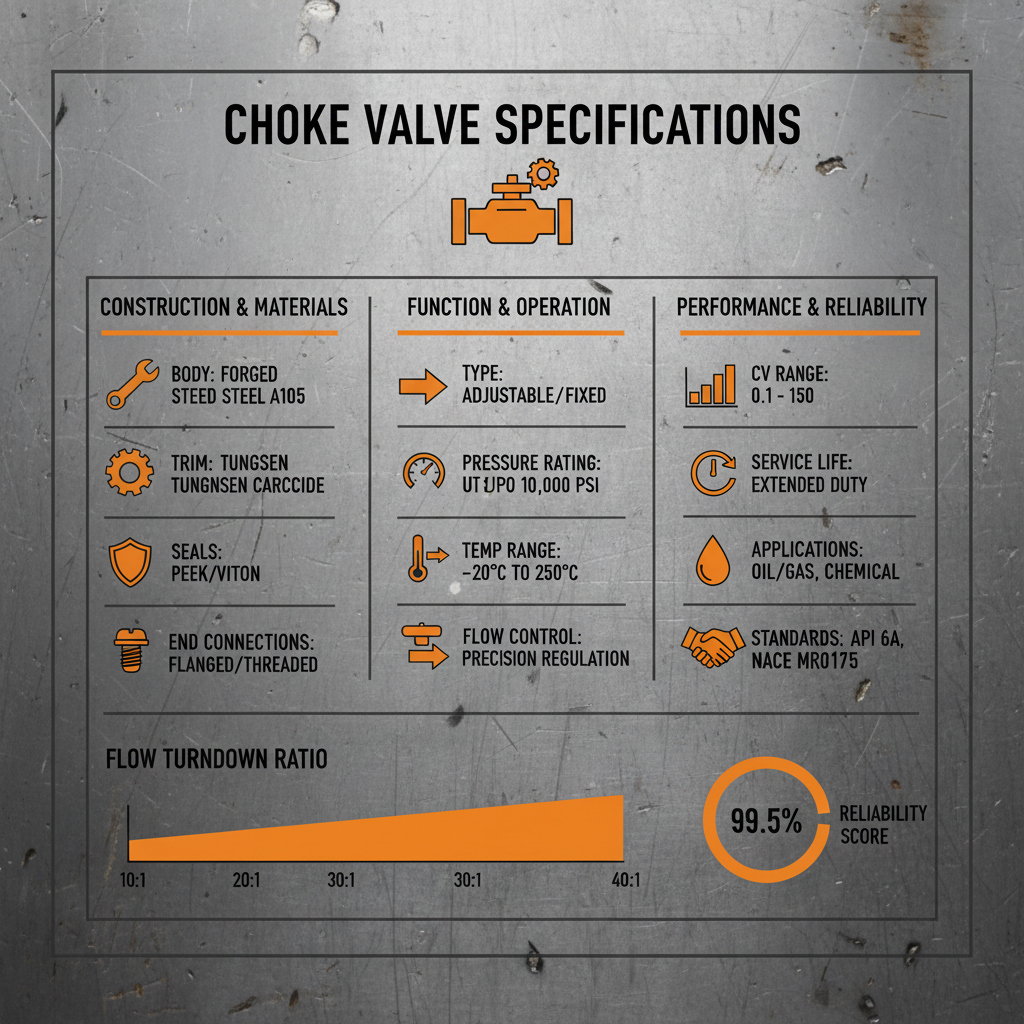
Several core components form the foundation of a comprehensive choke valve specification. First, the precise choke valve specification must clearly define the process conditions the valve will experience – including operating pressure, temperature, fluid composition, and flow rates. Second, material selection is crucial; the specification must detail the appropriate materials for the valve body, trim, and seals, considering corrosion resistance, erosion, and temperature compatibility.
Third, the specification should detail the desired valve trim type (e.g., fixed orifice, variable orifice, cage type) based on the required flow control characteristics. Finally, the specification must outline the applicable industry standards (e.g., API, ISO, ASME) and testing requirements to ensure compliance and quality assurance.
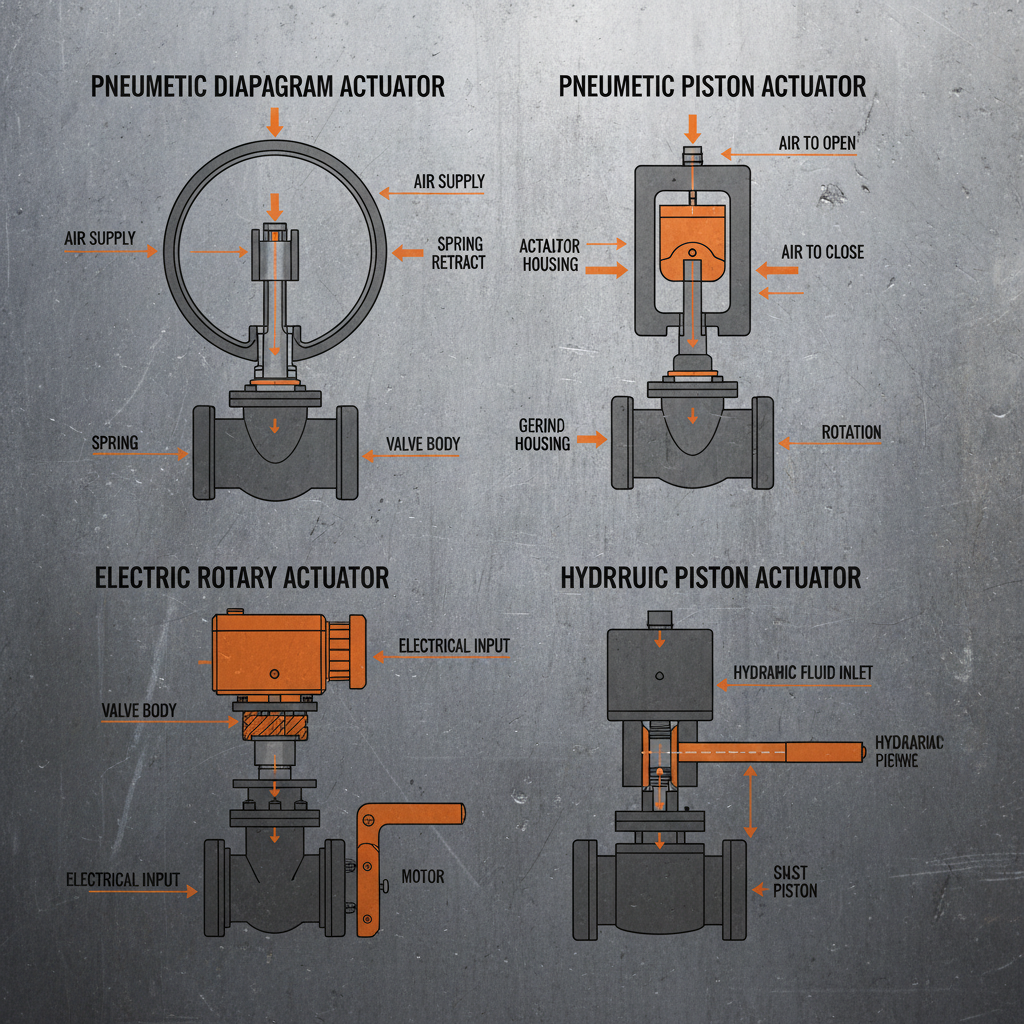
Furthermore, the specification should cover the valve's actuation method (manual, pneumatic, hydraulic, electric) and the specific requirements for its control system integration. Details about leakage rates, certification requirements (e.g., SIL), and any special requirements for hazardous environments are also essential. A well-defined specification leaves no room for interpretation and ensures the valve meets all operational and safety criteria.
Accurate and complete documentation, including detailed drawings, material certificates, and testing reports, are also crucial components of the specification. This ensures traceability and allows for thorough verification of the valve’s compliance with the specified requirements.
Key Performance Indicators in choke valve specification
When defining a choke valve specification, several key performance indicators (KPIs) must be carefully considered. Flow capacity, often measured in Cv or Kv, is paramount, ensuring the valve can handle the required flow rates without excessive pressure drop. Pressure drop characteristics, determined by the valve trim and operating conditions, are also essential for system performance.
Another critical KPI is the valve’s ability to maintain stable flow control, minimizing fluctuations and ensuring precise process regulation. Finally, the valve’s leakage rate must meet stringent requirements, especially in applications involving hazardous or valuable fluids.
Choke Valve Specification Performance Metrics
Global Applications of choke valve specification
Choke valves, governed by stringent specifications, find widespread application across diverse global industries. In the oil and gas sector, they are indispensable for well testing, production optimization, and sand control, particularly in offshore and remote locations. Chemical processing facilities rely on precisely specified choke valves for accurate flow regulation in various reaction and separation processes.
Power generation plants utilize choke valves for controlling steam flow and maintaining stable boiler operations. Furthermore, water treatment facilities employ choke valves for controlling chemical dosing and optimizing water purification processes. In post-disaster relief operations, robust, reliable choke valves play a vital role in distributing water and managing flow in temporary infrastructure.
Advantages of Precise choke valve specification
Precise choke valve specification translates to tangible benefits across multiple dimensions. Firstly, it minimizes the risk of equipment failure, reducing unplanned downtime and associated costs. Accurate specifications ensure compatibility with the process, optimizing performance and extending the valve’s lifespan.
Secondly, it enhances operational safety by preventing overpressure situations and ensuring precise control of hazardous fluids. Finally, a well-defined specification streamlines the procurement process, reducing administrative overhead and promoting efficient resource allocation.
Future Trends in choke valve specification
The future of choke valve specification is being shaped by several key trends. Digitalization and the Industrial Internet of Things (IIoT) are enabling the development of smart valves equipped with sensors and remote monitoring capabilities, requiring new specifications to address data integration and cybersecurity.
The increasing focus on sustainability is driving demand for choke valves with reduced fugitive emissions and optimized energy efficiency. Additive manufacturing (3D printing) is also emerging as a potential game-changer, allowing for the creation of customized valve components with complex geometries and enhanced performance characteristics.
Furthermore, advancements in materials science are leading to the development of corrosion-resistant alloys and polymers, allowing for the design of choke valves capable of operating in extreme environments. The evolution of automation and process control technologies will also demand increasingly sophisticated choke valve specifications that support seamless integration with advanced control systems.
FAQS
A comprehensive specification includes details on process conditions (pressure, temperature, fluid), materials of construction, valve trim type, actuation method, applicable industry standards (API, ISO), leakage rate requirements, and certification needs. Clearly defining these elements minimizes ambiguity and ensures the valve is fit for purpose.
Material selection is critically important. The materials must be compatible with the process fluid to prevent corrosion, erosion, and degradation. The specification should detail the precise alloys or polymers to be used for the valve body, trim, and seals, considering operating conditions and potential hazards.
Industry standards (e.g., API 6A, ISO 10432) provide guidelines for valve design, testing, and quality control. Adhering to these standards ensures the valve meets recognized safety and performance criteria, facilitating compliance and reducing risk. The specification should clearly state the applicable standards.
Consult with experienced valve engineers and process specialists. Review similar applications and documented best practices. Thoroughly document all process parameters and operational requirements. Consider incorporating detailed drawings and material certificates into the specification.
A poorly defined specification can lead to equipment failure, operational inefficiencies, safety hazards, and increased costs. It may result in a valve that cannot meet process requirements, requiring costly repairs or replacements. It's crucial to invest time and resources in creating a robust specification.
Smart choke valves with integrated sensors and remote monitoring require specifications that address data communication protocols, cybersecurity requirements, and power consumption. Specifications now need to account for digital integration with plant control systems and the need for secure data transmission and storage.
Conclusion
In conclusion, choke valve specification is far more than a technical exercise; it’s a fundamental pillar of operational efficiency, safety, and reliability. A comprehensive and meticulously crafted specification ensures that the selected valve aligns precisely with the demands of the application, minimizing risk and maximizing performance. From optimizing oil and gas production to ensuring the safety of chemical processing facilities, proper choke valve specification is critical across a multitude of industries.
Looking ahead, the integration of digital technologies, a growing emphasis on sustainability, and advancements in materials science will continue to reshape the landscape of choke valve specification. Staying abreast of these trends and adopting a proactive approach to specification development will be crucial for organizations seeking to optimize their operations and maintain a competitive edge. For expert guidance and state-of-the-art solutions, visit our website: www.savvyvalvestech.com







 English