The 1 1 4 butterfly valve plays a crucial role in modern fluid control systems across diverse industries. Its compact design, lightweight construction, and efficient operation make it a preferred choice for applications ranging from water treatment and chemical processing to power generation and HVAC systems. Understanding the nuances of these valves – their materials, actuation methods, and performance characteristics – is paramount for engineers, plant operators, and procurement professionals seeking reliable and cost-effective solutions.
Globally, the demand for efficient and reliable valve technologies is steadily increasing, driven by factors such as urbanization, industrial growth, and stricter environmental regulations. The 1 1 4 butterfly valve, with its ability to handle large flow rates and its relatively low pressure drop, addresses these demands effectively. Furthermore, advancements in materials science and manufacturing processes are continually enhancing the performance and lifespan of these valves, ensuring they meet the evolving needs of a dynamic industrial landscape.
Choosing the correct valve is essential. A faulty valve can cause system failures, leading to costly downtime, environmental hazards, and safety concerns. The 1 1 4 butterfly valve offers a balanced solution – providing robust performance, ease of maintenance, and affordability, making it a cornerstone of countless industrial processes.
The Significance of 1 1 4 Butterfly Valves
The 1 1 4 butterfly valve stands as a versatile solution in flow control, appreciated for its relative simplicity and cost-effectiveness. Its design, utilizing a disc rotating within a pipe, enables precise regulation of fluid flow with minimal resistance. This makes it a popular choice for both on-off and throttling services. Its prominence stems from its ability to deliver reliable performance across a wide spectrum of pressures and temperatures.
The selection of a 1 1 4 butterfly valve is heavily influenced by application specifics. Parameters like fluid type, operating temperature, and desired control precision are critical. Choosing the correct materials and actuation method—manual, pneumatic, or electric—are crucial for ensuring long-term reliability and operational efficiency within specific industrial settings.
Global Industry Context for 1 1 4 Butterfly Valves
The global valve market, including the 1 1 4 butterfly valve segment, is experiencing consistent growth, driven by infrastructure development and industrial expansion, especially in emerging economies. According to recent industry reports, the Asia-Pacific region represents the largest market share, accounting for over 40% of global demand. This growth is fueled by large-scale investments in water and wastewater treatment facilities, power plants, and chemical processing industries.
North America and Europe remain significant markets, with a focus on upgrading existing infrastructure and adopting advanced valve technologies. Increasing regulations surrounding environmental protection and energy efficiency are also contributing to the demand for high-performance valves, including 1 1 4 butterfly valves engineered for minimal leakage and optimal flow control.
A significant challenge is ensuring supply chain resilience in light of global economic uncertainties. Geopolitical factors and raw material price fluctuations can impact production costs and lead times. Companies are actively diversifying sourcing strategies and investing in local manufacturing capabilities to mitigate these risks and ensure a stable supply of 1 1 4 butterfly valves.
Defining the 1 1 4 Butterfly Valve
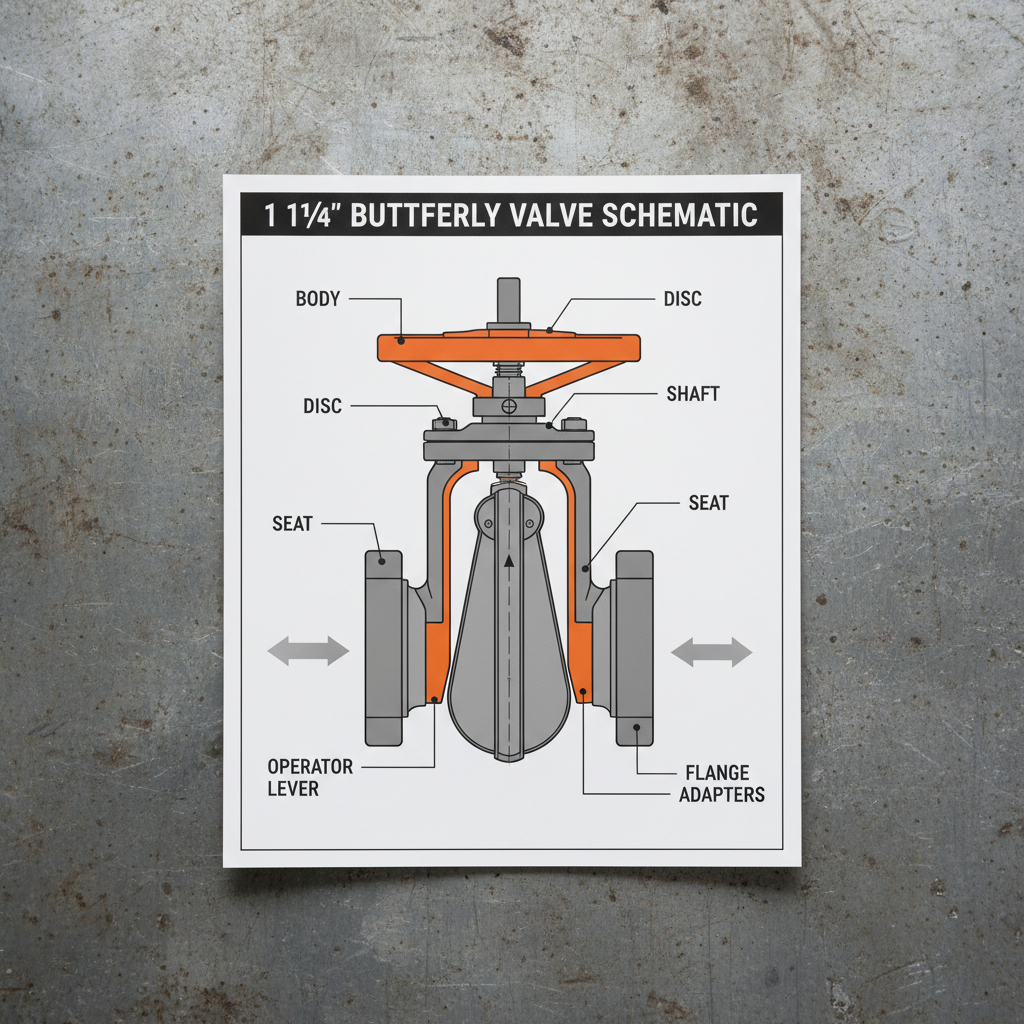
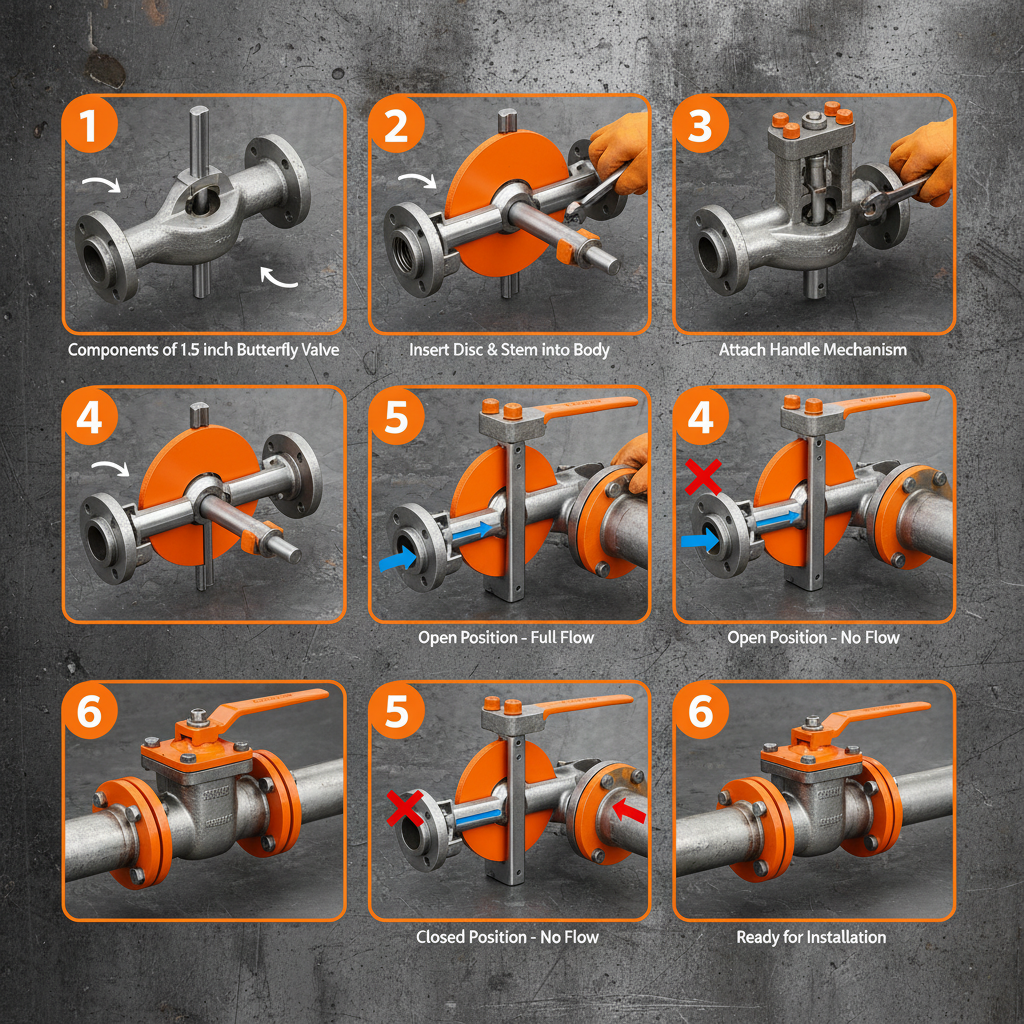
A 1 1 4 butterfly valve is a quarter-turn rotational motion valve used to regulate or isolate flow. The “1 1 4” designation refers to its connection size, specifically 1.25 inches. It features a disc mounted on a rotating shaft within the valve body. Rotating the shaft 90 degrees positions the disc either parallel to the flow, blocking it, or perpendicular to the flow, allowing it to pass through.
This design is inherently simple and efficient, resulting in a lightweight valve with relatively low pressure drop. Unlike gate valves, which require multiple turns to fully open or close, the 1 1 4 butterfly valve's quarter-turn operation allows for rapid actuation, making it ideal for applications requiring quick response times. Its compact form factor also makes it well-suited for installations with limited space.
The connection to modern industry is profound. These valves are integral to the safe and efficient operation of countless processes, from ensuring the potable water supply to controlling critical flows in pharmaceutical manufacturing. They represent a foundational element in the infrastructure underpinning modern life and humanitarian needs.
Key Performance Characteristics of 1 1 4 Butterfly Valves
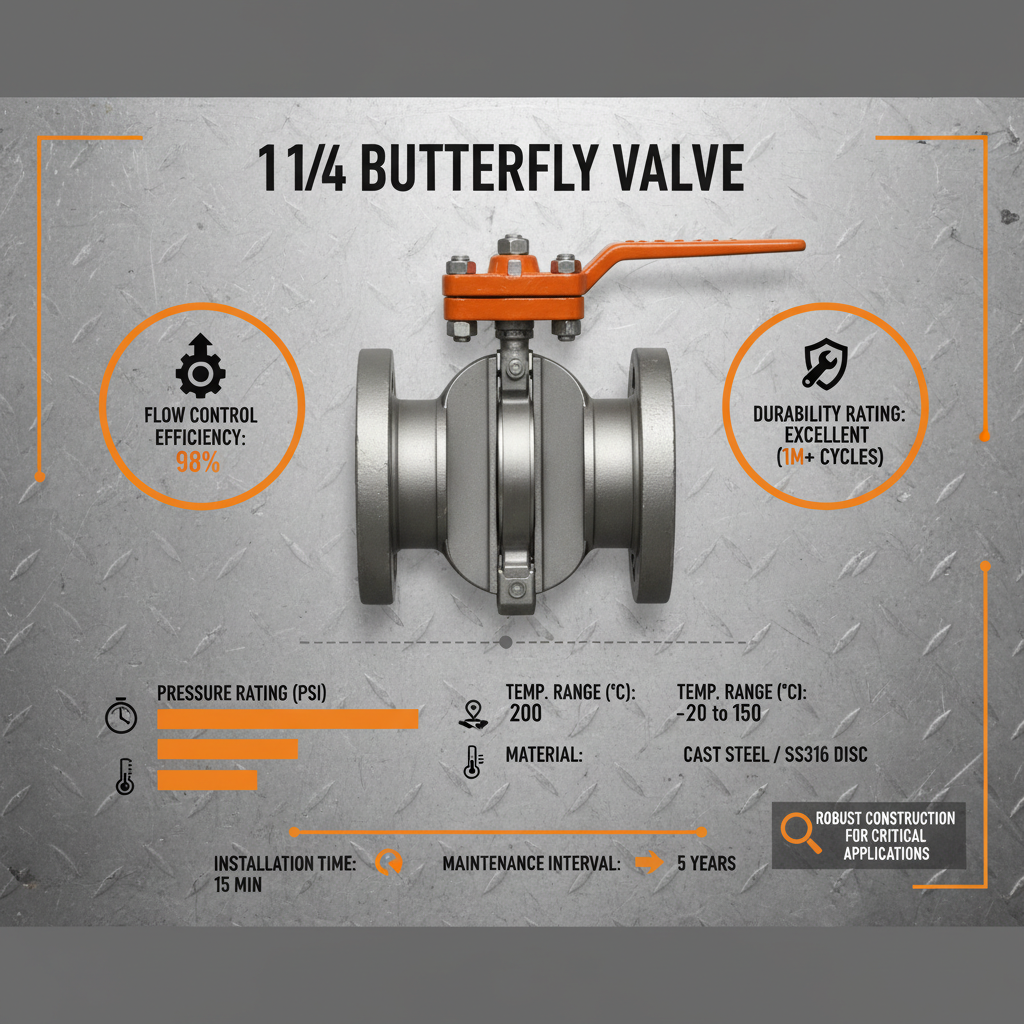
One critical characteristic is Flow Capacity. 1 1 4 butterfly valves, due to their streamlined design, generally offer higher flow coefficients than other valve types of similar size. This translates to reduced pressure drop and energy consumption, particularly important in large-volume applications.
Durability is also significant. The choice of materials—such as stainless steel, ductile iron, or PVC—directly influences the valve's resistance to corrosion, erosion, and wear. Properly selected materials ensure a long service life, even in harsh operating environments.
Comparative Performance of 1 1 4 Butterfly Valve Materials
Real-World Applications of 1 1 4 Butterfly Valves
1 1 4 butterfly valves are extensively utilized in water treatment plants to regulate flow through filtration systems and chemical dosing lines. Their ability to handle abrasive fluids and their resistance to corrosion make them ideal for these demanding applications. In the chemical industry, they are employed in process control, regulating the flow of acids, solvents, and other corrosive substances.
The power generation sector also relies heavily on 1 1 4 butterfly valves for controlling cooling water flow, steam distribution, and fuel oil circulation. Their reliable operation and quick response times are crucial for maintaining stable power output. Moreover, they are frequently found in HVAC systems, regulating chilled water and hot water flow for temperature control in commercial and industrial buildings.
Advantages and Long-Term Value Proposition
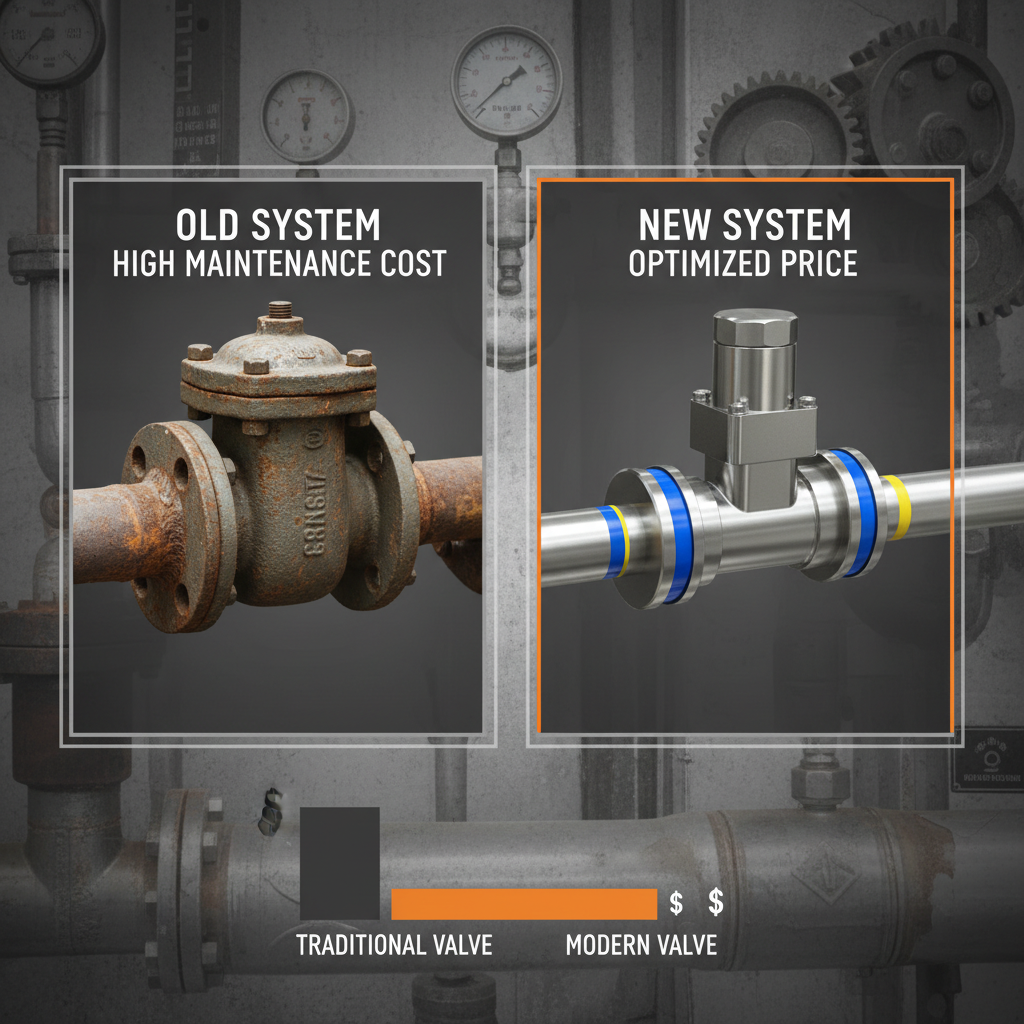
The advantages of employing a 1 1 4 butterfly valve extend beyond initial cost savings. Lower pressure drop equates to reduced energy consumption, contributing to lower operating costs and a smaller carbon footprint. Their lightweight design simplifies installation and reduces structural support requirements, further lowering project expenses.
From a long-term perspective, the reliability and durability of a well-maintained 1 1 4 butterfly valve translate to reduced maintenance costs and minimized downtime. This reliability fosters trust and continuity in operations, protecting the integrity of processes and ensuring consistent product quality. The value proposition extends to sustainability through efficient resource utilization and reduced environmental impact.
Future Trends and Innovation in 1 1 4 Butterfly Valve Technology
The future of 1 1 4 butterfly valve technology is focused on intelligent valve solutions. Integrating sensors and communication protocols enables remote monitoring, predictive maintenance, and automated control. This “smart valve” functionality enhances operational efficiency and minimizes unplanned downtime.
Advances in materials science are leading to the development of new alloys and coatings that offer superior corrosion resistance and extended service life, even in the most aggressive environments. Furthermore, 3D printing and additive manufacturing techniques are enabling the creation of custom valve designs tailored to specific application requirements, optimizing performance and reducing material waste.
Sustainability is also driving innovation. Manufacturers are increasingly utilizing eco-friendly materials and implementing energy-efficient manufacturing processes to minimize the environmental impact of 1 1 4 butterfly valve production and operation.
Summary of Challenges and Solutions for 1 1 4 Butterfly Valve Implementation
| Challenge |
Impact on 1 1 4 Butterfly Valve Performance |
Potential Solution |
Implementation Cost (1-10) |
| Cavitation |
Erosion of disc and valve body, reduced lifespan. |
Optimized valve sizing, anti-cavitation trim. |
6 |
| Corrosion |
Valve failure, leakage, process contamination. |
Selection of corrosion-resistant materials (e.g., stainless steel, Hastelloy). |
7 |
| Sealing Issues |
Leakage, loss of process control. |
Upgraded sealing materials, precise disc alignment. |
5 |
| High Temperature |
Material degradation, seal failure. |
High-temperature alloy selection, enhanced insulation. |
8 |
| Erosion from Slurry |
Disc and seat wear, reduced control. |
Hardened materials, protective coatings. |
7 |
| Actuator Failure |
Loss of control, potential for emergency shutdown. |
Regular maintenance, redundant actuator systems. |
4 |
FAQS
The lifespan of a 1 1 4 butterfly valve varies depending on operating conditions and maintenance practices. With proper installation, regular inspection, and timely repairs, a well-selected valve can reliably operate for 10-20 years, or even longer. Factors such as fluid corrosivity, operating temperature, and frequency of cycling significantly influence longevity. Regular preventative maintenance is key.
Common materials include ductile iron for the body, stainless steel (304, 316) for the disc and stem, and EPDM, PTFE, or Viton for the seat. The selection of material is critical, depending on the fluid being handled. For corrosive fluids, stainless steel or alloy 20 is preferred. For high-temperature applications, specialized alloys are required. The choice impacts valve life and performance.
Proper sizing is crucial for optimal performance. You need to consider the flow rate, fluid viscosity, and pressure drop requirements. Consulting valve sizing charts or utilizing valve selection software can help determine the appropriate valve size. Undersizing can lead to excessive pressure drop and cavitation, while oversizing can create turbulence and reduce control accuracy. Accurate sizing ensures efficiency and longevity.
The three primary actuation methods are manual, pneumatic, and electric. Manual actuation uses a hand lever for simple on/off control. Pneumatic actuators use compressed air for faster and more reliable operation, ideal for remote control. Electric actuators provide precise control and are suitable for automated systems. The optimal choice depends on the application’s needs and level of automation.
Regular maintenance includes visual inspection for leaks or corrosion, lubrication of the stem and bearings, and periodic testing of the actuator (if applicable). Replacing the seat periodically can prevent leakage. A preventative maintenance schedule should be established to ensure reliable operation. Prompt attention to minor issues can prevent major failures and costly downtime.
Yes, but careful consideration is needed. Selecting valves with hardened materials for the disc and seat is crucial. Protective coatings can also enhance resistance to erosion. Regular inspection and replacement of worn parts are essential. Using a valve specifically designed for abrasive service will significantly extend its lifespan and maintain performance.
Conclusion
The 1 1 4 butterfly valve remains a cornerstone of fluid control systems globally, offering a compelling combination of performance, reliability, and cost-effectiveness. Its versatility allows for widespread application across diverse industries, from water treatment and chemical processing to power generation and beyond. Understanding its key characteristics, advantages, and potential challenges is paramount for engineers and operators seeking optimized solutions.
Looking ahead, continued innovation in materials science, actuator technology, and smart valve integration will further enhance the capabilities of the 1 1 4 butterfly valve. By embracing these advancements and prioritizing preventative maintenance, industries can maximize the long-term value and sustainability of these essential components. For all your 1 1 4 butterfly valve needs, visit our website: 1 1 4 butterfly valve.





 English