The 1 4 butterfly valve stands as a crucial component in modern fluid control systems, impacting industries globally from water treatment and chemical processing to HVAC and energy production. Its relatively simple yet effective design offers a cost-efficient solution for on/off regulation of flow, making it a cornerstone of countless industrial processes. Understanding its functionalities, applications, and potential future developments is paramount for engineers, procurement specialists, and anyone involved in managing fluid systems.
Globally, the demand for efficient and reliable valve technologies like the 1 4 butterfly valve is steadily increasing, driven by infrastructure development, industrial expansion, and stringent environmental regulations. The market is characterized by a growing need for valves capable of handling diverse fluids, varying pressures, and extreme temperatures. Innovative materials and manufacturing processes are constantly being employed to enhance performance, durability, and sustainability.
The 1 4 butterfly valve provides a versatile and economical solution for numerous flow control challenges. Its lightweight design, quick operation, and relatively low pressure drop make it an ideal choice for applications where space and cost are critical considerations. As industries strive for greater efficiency and sustainability, the 1 4 butterfly valve continues to play a vital role in optimizing fluid handling processes worldwide.
Understanding the Core of 1 4 Butterfly Valve
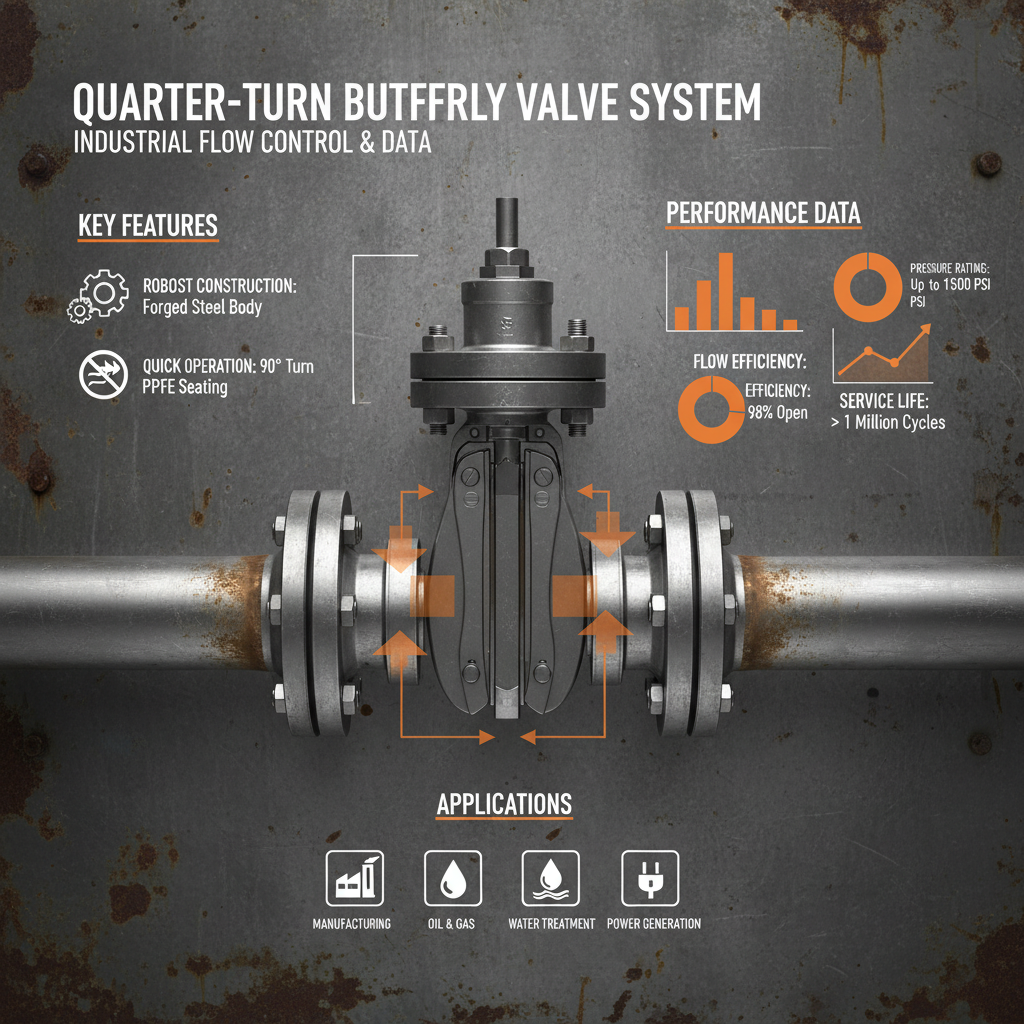
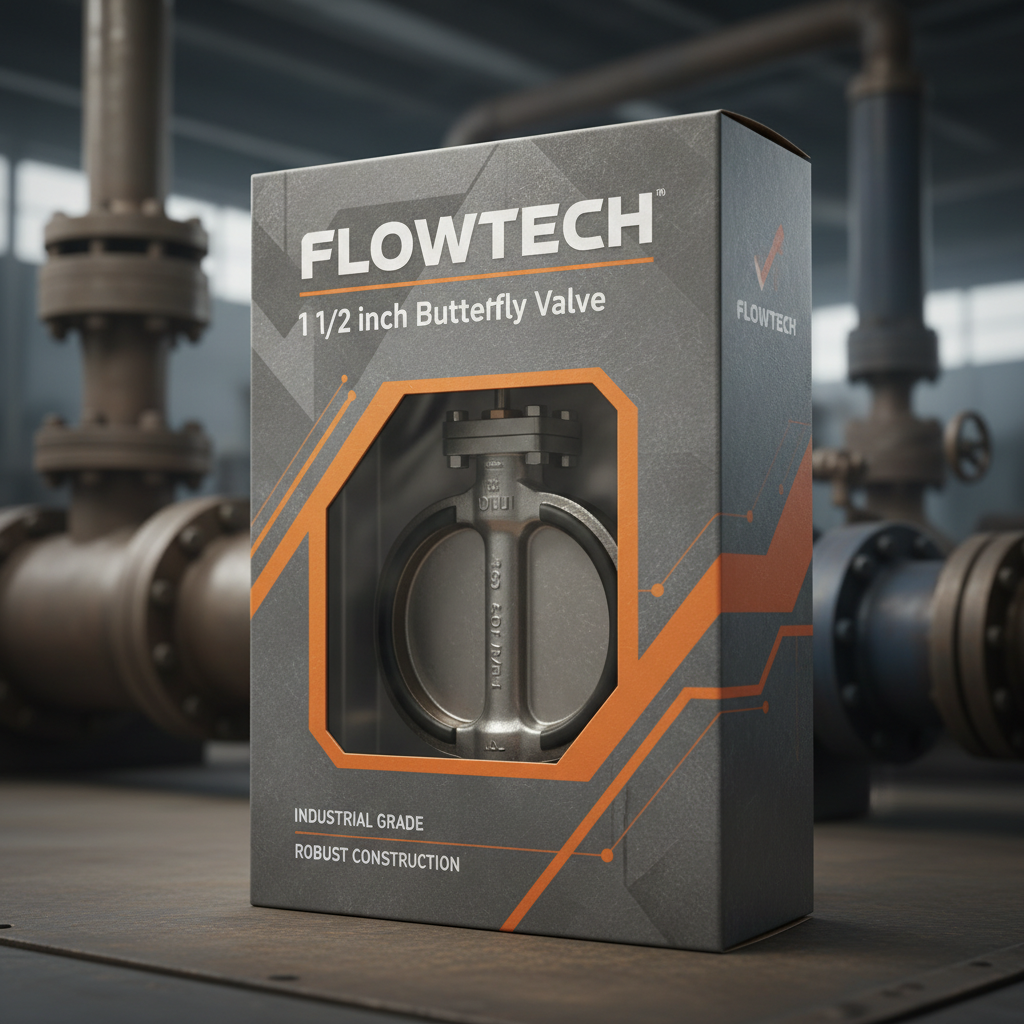
The 1 4 butterfly valve is a quarter-turn rotational motion valve used to regulate or isolate fluid flow. Its inherent design simplicity allows for a streamlined flow path, minimizing pressure drop and making it an efficient choice for a broad range of applications. The “1 4” designation often refers to the valve’s connection type and size, crucial for integration into existing piping systems.
Its core functionality revolves around a disc positioned within the valve body. Rotating this disc alters the flow path, allowing for precise control of the fluid passing through. The compact nature and lightweight construction of the 1 4 butterfly valve make it particularly advantageous in situations where space is limited or weight is a concern, such as mobile equipment or tight industrial settings.
Global Significance and Industrial Context
The global valve market is estimated to be worth billions of dollars, with butterfly valves representing a significant segment. Key drivers include expanding infrastructure projects in emerging economies, increasing demand for water and wastewater treatment, and the continued growth of the oil and gas industries. The 1 4 butterfly valve, due to its versatility and cost-effectiveness, is a favored choice across these sectors.
Industries such as chemical processing, power generation, and pharmaceuticals rely heavily on precise and reliable flow control, making the 1 4 butterfly valve a critical component in their operations. Regulatory standards governing emissions and safety further necessitate the use of high-quality valves, driving innovation in materials and designs. Countries like China, the United States, and Germany are major manufacturers and consumers of butterfly valves.
However, challenges exist. Fluctuating raw material prices, supply chain disruptions, and the need for valves capable of handling increasingly corrosive and abrasive fluids present ongoing hurdles for manufacturers and users alike. The 1 4 butterfly valve's evolution is, therefore, continuously driven by the need to overcome these challenges and meet the ever-changing demands of the global industrial landscape.
Defining the 1 4 Butterfly Valve
At its simplest, a 1 4 butterfly valve comprises a body, an internal disc, a stem, and a liner. The disc rotates around the stem, positioned perpendicular to the flow direction when closed, blocking the passage of fluid. When open, the disc rotates 90 degrees, allowing unrestricted flow. The 1 4 designation signifies a specific connection flange size, typically 1/4 inch, dictating compatibility with corresponding piping infrastructure.
The importance of the 1 4 butterfly valve extends beyond mere flow control. It’s a vital component in maintaining process integrity, ensuring safety, and optimizing operational efficiency. In water treatment plants, for example, it regulates the flow of chemicals and water during purification processes. In HVAC systems, it controls the circulation of hot or cold water for climate control.
Its connection to modern industry and even humanitarian needs is profound. Efficient water management, enabled by reliable valve technology, is crucial for agricultural productivity and public health. Industrial processes reliant on precise flow control contribute to economic growth and technological advancement. Therefore, understanding the 1 4 butterfly valve is essential for a wide range of professionals.
Key Characteristics of 1 4 Butterfly Valve Performance
Durability is a paramount characteristic of the 1 4 butterfly valve. Constructed from materials like stainless steel, cast iron, and polymers, these valves can withstand harsh operating conditions and corrosive environments. Proper material selection ensures a long service life and minimizes the need for frequent replacements.
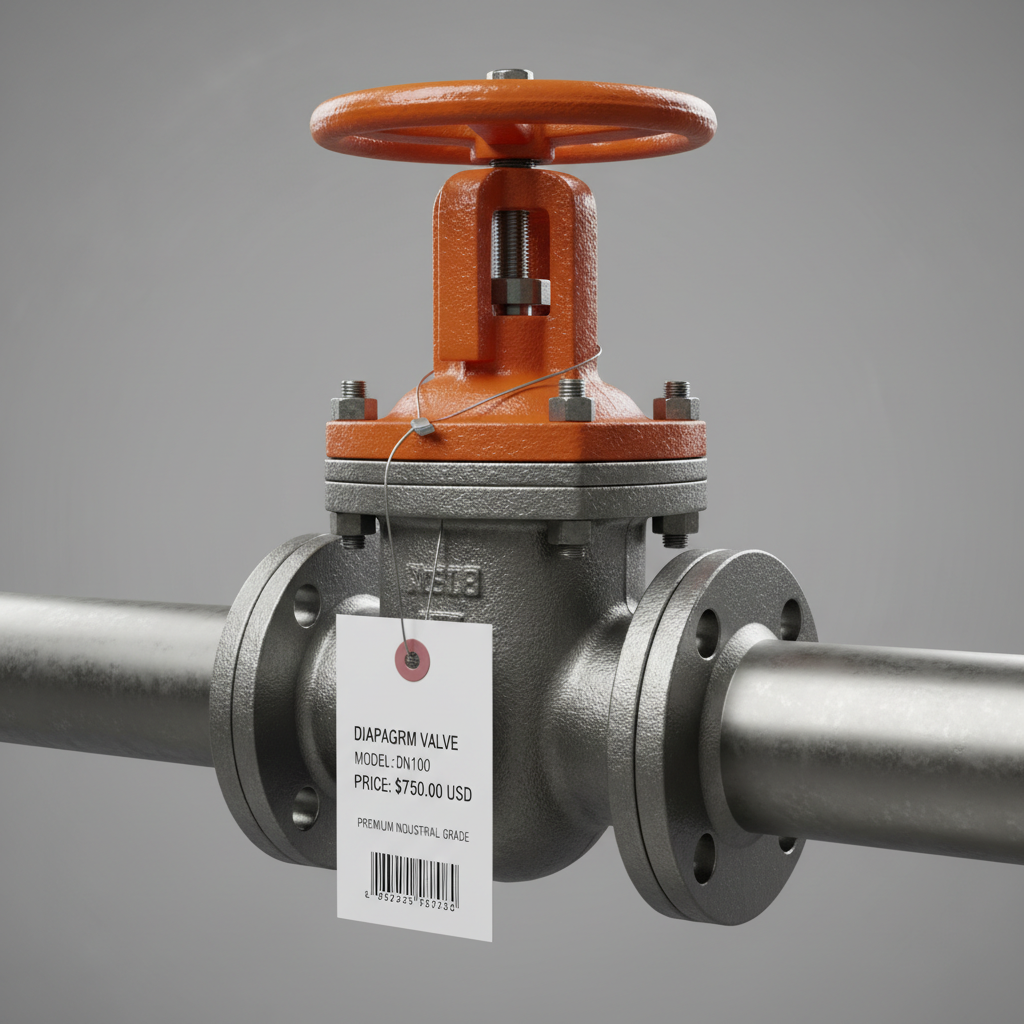
Another key aspect is cost efficiency. Compared to other valve types, the 1 4 butterfly valve generally offers a lower initial cost and reduced maintenance requirements, making it an attractive option for budget-conscious projects. The simple design facilitates easier manufacturing and installation, further contributing to cost savings.
1 4 Butterfly Valve Performance Metrics
Diverse Applications of 1 4 Butterfly Valve
In the water and wastewater treatment industry, 1 4 butterfly valves are critical for controlling the flow of water, chemicals, and sludge throughout the treatment process. Their ability to handle large volumes of fluid and resist corrosion makes them ideal for this application.
The HVAC industry utilizes 1 4 butterfly valves to regulate the flow of chilled or hot water in heating and cooling systems. Their precise control capabilities ensure consistent temperature regulation and energy efficiency. Similarly, in the chemical processing sector, they manage the flow of various chemicals, contributing to safe and efficient production processes.
Advantages and Long-Term Value Proposition
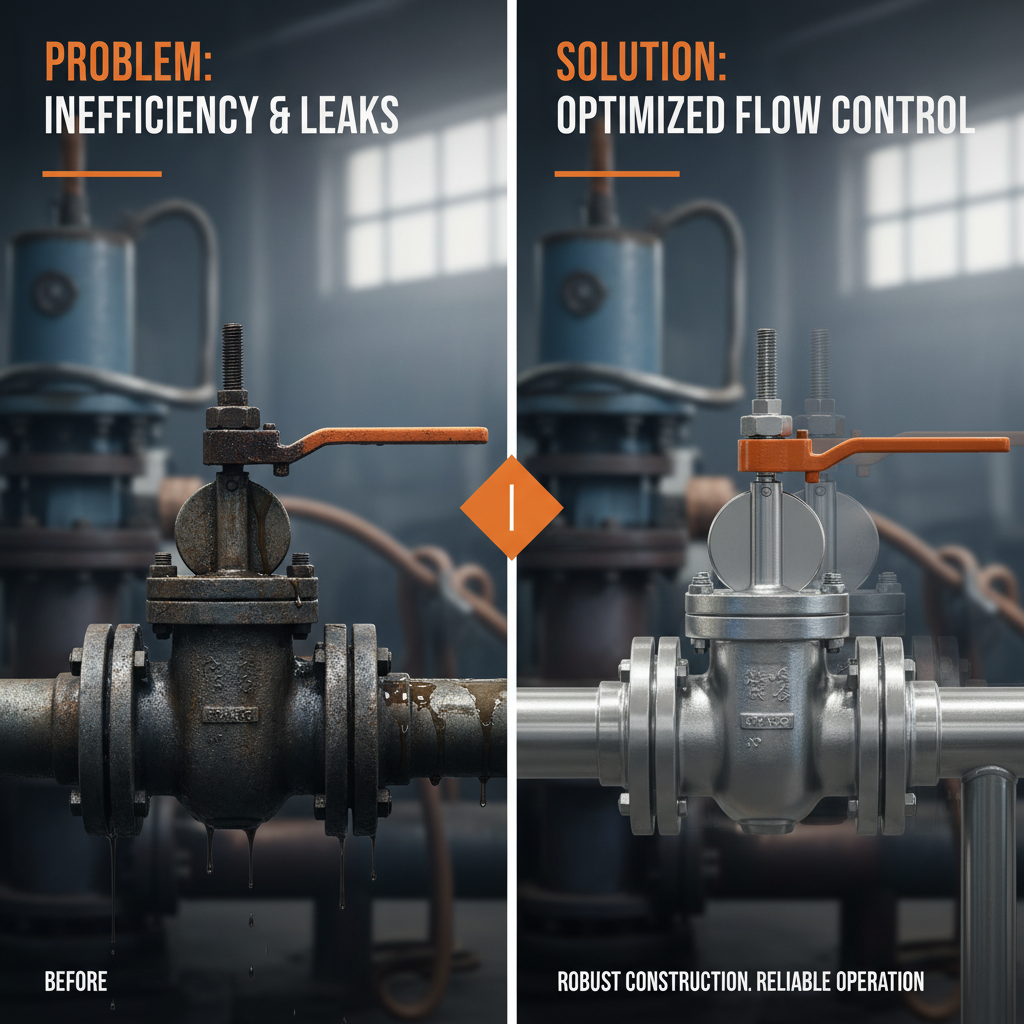
The primary advantage of the 1 4 butterfly valve lies in its cost-effectiveness. Compared to gate valves or globe valves, it offers a lower initial investment and reduced maintenance expenses. This translates to significant long-term savings for end-users.
Beyond cost, the reliability and longevity of a properly selected and maintained 1 4 butterfly valve offer substantial value. Minimizing downtime and ensuring consistent flow control contribute to improved operational efficiency and reduced risk of process disruptions. From a sustainability standpoint, the extended lifespan reduces the environmental impact associated with frequent replacements.
Future Trends and Innovations in 1 4 Butterfly Valve Technology
The integration of smart technology is transforming the 1 4 butterfly valve. Smart valves equipped with sensors and communication capabilities enable remote monitoring, predictive maintenance, and automated control, leading to increased efficiency and reduced operational costs. These "intelligent" valves can provide real-time data on flow rates, pressure, and temperature, enabling proactive interventions.
Material science is also playing a key role. The development of new alloys and polymer coatings is enhancing the corrosion resistance and durability of 1 4 butterfly valves, expanding their applicability to more challenging environments. Furthermore, research into 3D printing and advanced manufacturing techniques promises to reduce production costs and enable the creation of customized valve designs.
The growing emphasis on sustainability is driving the demand for eco-friendly valve materials and designs. Manufacturers are exploring the use of recycled materials and developing valves with reduced energy consumption, aligning with global efforts to minimize environmental impact. The future of the 1 4 butterfly valve is undeniably linked to innovation and sustainability.
FAQS
1 4 Butterfly valves are commonly constructed from materials like ductile iron, stainless steel (304, 316), and various polymers (EPDM, PTFE). The choice depends heavily on the fluid being handled, operating temperature, and pressure requirements. Stainless steel offers excellent corrosion resistance, while ductile iron provides strength and durability. Polymers serve as liners to ensure a tight seal.
Gate valves excel at full-open or fully-closed operation, but provide poor throttling capabilities. 1 4 Butterfly valves offer much more precise flow regulation, making them suitable for applications requiring variable flow rates. However, gate valves generally have a lower pressure drop when fully open. The choice depends on the specific application needs and the priority of flow control.
Regular maintenance for a 1 4 butterfly valve includes periodic inspection of the disc, seat, and stem for wear or damage. Lubrication of the stem is crucial for smooth operation. Depending on the application, the valve may need to be disassembled and cleaned to remove accumulated debris. Following manufacturer's recommendations for maintenance schedules is vital.
While 1 4 butterfly valves can handle some abrasive fluids, it's important to select valves with abrasion-resistant liners and disc coatings. Hardened materials like stainless steel or specialized polymers can significantly extend the valve's lifespan in abrasive applications. Regular inspection and replacement of liners are crucial to prevent premature failure.
The operating temperature range varies depending on the materials used. Standard 1 4 butterfly valves with EPDM liners typically handle temperatures between -40°C and 120°C. Valves designed for high-temperature applications may utilize PTFE liners and stainless steel construction, extending the range up to 200°C or even higher. It’s essential to consult the valve’s specifications for precise temperature limits.
The pressure drop across a 1 4 butterfly valve is influenced by several factors, including the flow rate, valve size, disc position, and fluid viscosity. Partially open valves create greater flow restriction and thus a higher pressure drop. Valve manufacturers typically provide pressure drop curves for different flow rates and disc positions to aid in system design.
Conclusion
In conclusion, the 1 4 butterfly valve represents a versatile and efficient solution for a wide range of fluid control applications. Its cost-effectiveness, reliability, and adaptability to various environments make it a cornerstone of modern industrial infrastructure. Understanding its key characteristics, applications, and future trends is crucial for engineers and professionals seeking optimized flow control solutions.
Looking ahead, the integration of smart technologies and advancements in materials science will further enhance the performance and sustainability of the 1 4 butterfly valve. Continuous innovation and a commitment to meeting evolving industry needs will ensure its continued relevance in the years to come. For further information and to explore our comprehensive range of 1 4 butterfly valves, visit our website: www.savvyvalvetech.com.





 English