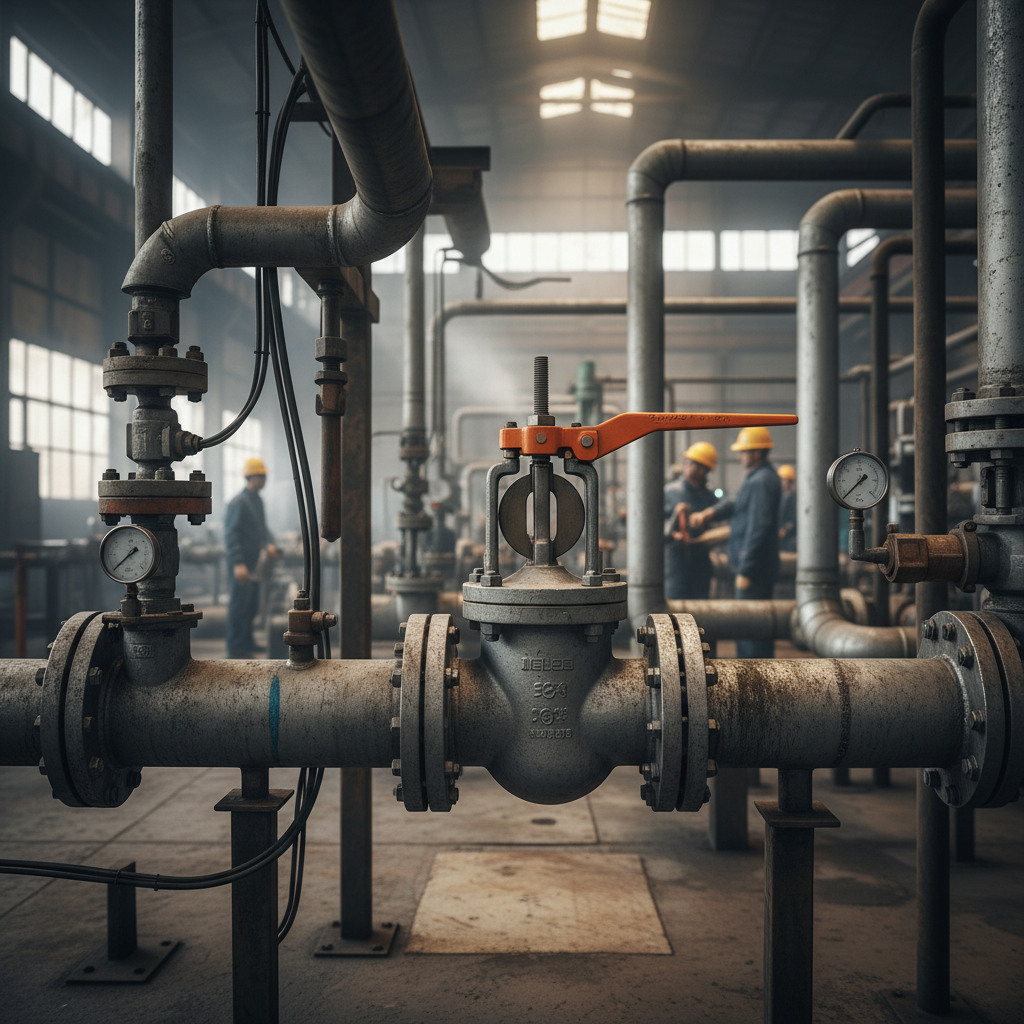
The implementation of a 1 butterfly valve in industrial piping systems represents a critical balance between operational efficiency and spatial economy. In the complex world of fluid control, these quarter-turn valves are prized for their ability to provide rapid shut-off and throttling capabilities without occupying the excessive footprint required by traditional gate or globe valves. Understanding the nuances of their design is essential for engineers aiming to optimize flow rates while maintaining strict safety standards across diverse manufacturing environments.
Globally, the demand for high-performance flow control solutions has surged as industries move toward more sustainable and automated processes. Whether it is in water treatment plants, chemical processing facilities, or HVAC systems, the 1 butterfly valve serves as a foundational component that ensures system reliability. By reducing pressure drops and minimizing weight, these valves contribute significantly to the overall energy efficiency of large-scale industrial infrastructures.
Choosing the right configuration for your fluid system is not merely a technical decision but a financial one. The longevity, maintenance cycles, and installation costs associated with a 1 butterfly valve can impact a facility's bottom line for decades. This guide explores the technical depth, global applications, and future innovations of these valves to help professionals make informed procurement and engineering choices.
Global Relevance of 1 Butterfly Valve Systems
On a global scale, the industrial valve market is driven by rigorous ISO standards and the increasing complexity of petrochemical and water management projects. The 1 butterfly valve has become a staple in these sectors due to its versatility. As urban centers expand and the need for efficient water distribution grows, the ability to control massive volumes of liquid with a single, compact component is invaluable.
The challenge facing many modern plants is "system bloat," where outdated, heavy valve assemblies increase installation time and structural stress. By integrating a streamlined 1 butterfly valve, operators can reduce the total weight of the piping network while enhancing the speed of emergency shut-off procedures, directly addressing the safety requirements mandated by international regulatory bodies.
Core Technical Definition and Mechanics
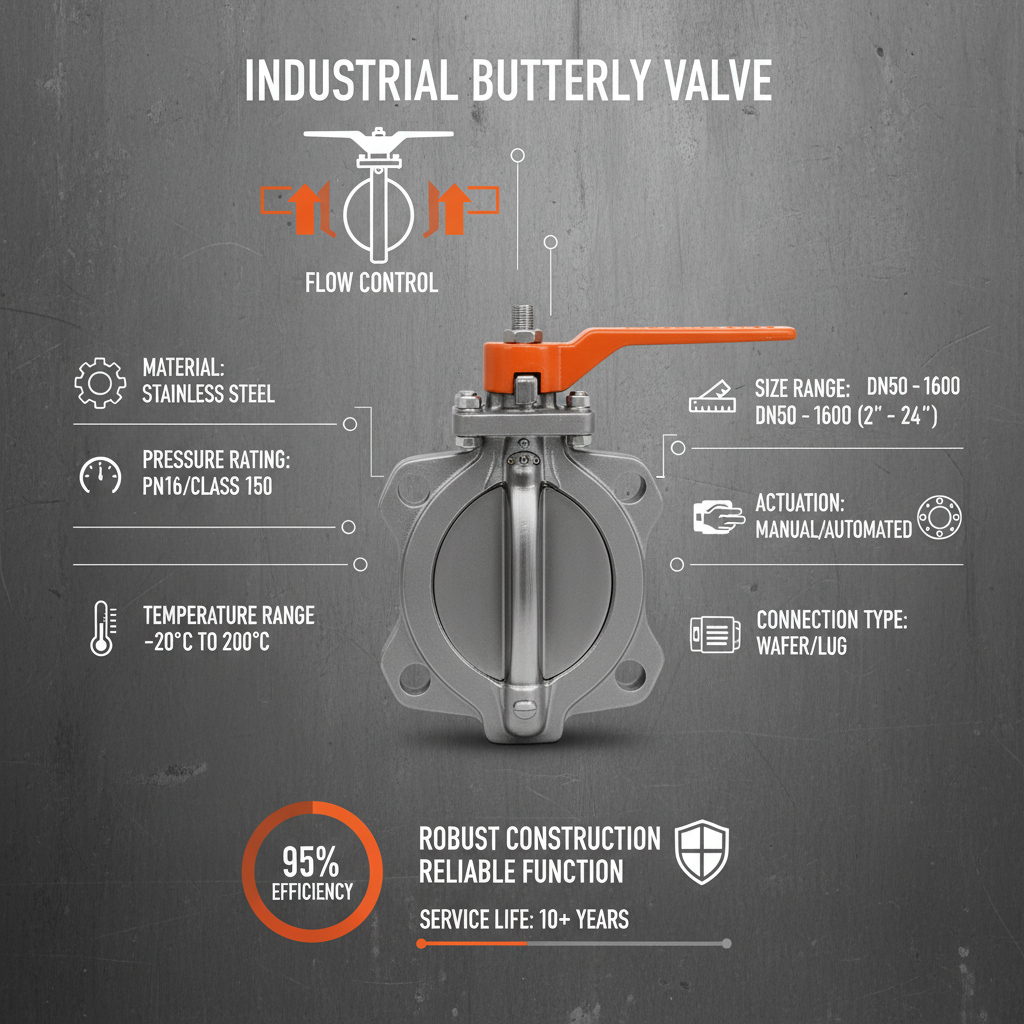
At its simplest level, a 1 butterfly valve is a quarter-turn rotary motion valve that uses a disc to stop, regulate, or start the flow of a fluid. The disc is mounted on a stem, and as the stem rotates, the disc turns 90 degrees to either block the flow completely or allow it to pass through. This mechanism provides a tight seal and a quick response time, which is critical in high-pressure industrial environments.
Beyond basic mechanics, these valves are integral to modern humanitarian and infrastructure needs, particularly in desalination plants and large-scale irrigation systems. The efficiency of a 1 butterfly valve allows for the precise management of resources in regions where water scarcity is a critical issue, ensuring that every drop is directed exactly where it is needed with minimal leakage.
The connection between the valve's internal geometry and the fluid dynamics of the system is what defines its performance. When a 1 butterfly valve is properly specified, it minimizes turbulence and cavitation, which are common causes of premature pipe wear and energy loss in heavy-duty manufacturing sectors.
Key Engineering Factors for Durability
Material selection is the cornerstone of longevity for any 1 butterfly valve. Depending on the medium being transported—whether it be corrosive acids or high-temperature steam—engineers must choose between stainless steel, ductile iron, or specialized alloys. This selection ensures that the valve can withstand the chemical stresses of the environment without degrading.
Seal integrity is the second most critical factor. A high-quality 1 butterfly valve utilizes advanced elastomers or PTFE seats to prevent leakage. The ability of the seal to maintain its elasticity under extreme temperature fluctuations determines the valve's overall reliability and the safety of the surrounding operation.
Finally, scalability and ease of maintenance ensure that a 1 butterfly valve remains cost-effective over its lifecycle. Standardized dimensions allow for easy replacement and upgrading, meaning that as a facility grows, its flow control infrastructure can evolve without requiring a complete system overhaul.
Operational Performance Benchmarks
Evaluating the performance of a 1 butterfly valve requires a look at a variety of metrics, including torque requirements, leak rates, and pressure drop. In high-flow applications, the goal is to achieve a "bubble-tight" shut-off while ensuring that the act of opening the valve does not require excessive energy or oversized actuators.
When comparing different design methodologies, it becomes clear that precision machining of the disc and seat is what separates a standard valve from a premium industrial solution. A well-engineered 1 butterfly valve provides linear control during the throttling phase, allowing for more accurate flow regulation in automated processes.
Performance Comparison of 1 Butterfly Valve Configurations
Global Industrial Application Use Cases
In real-world contexts, the 1 butterfly valve is indispensable in the food and beverage industry, where sanitary standards are paramount. Using high-grade stainless steel and mirror-polished finishes, these valves prevent bacterial growth and allow for clean-in-place (CIP) processes, ensuring that consumer safety is never compromised.
Furthermore, in remote industrial zones—such as mining sites in Australia or oil fields in the Middle East—the ruggedness of the 1 butterfly valve makes it a preferred choice. Its ability to operate reliably in extreme temperatures and dusty environments ensures that critical fluid transport remains uninterrupted even in the harshest geographical locations.
Long-Term Value and Sustainability
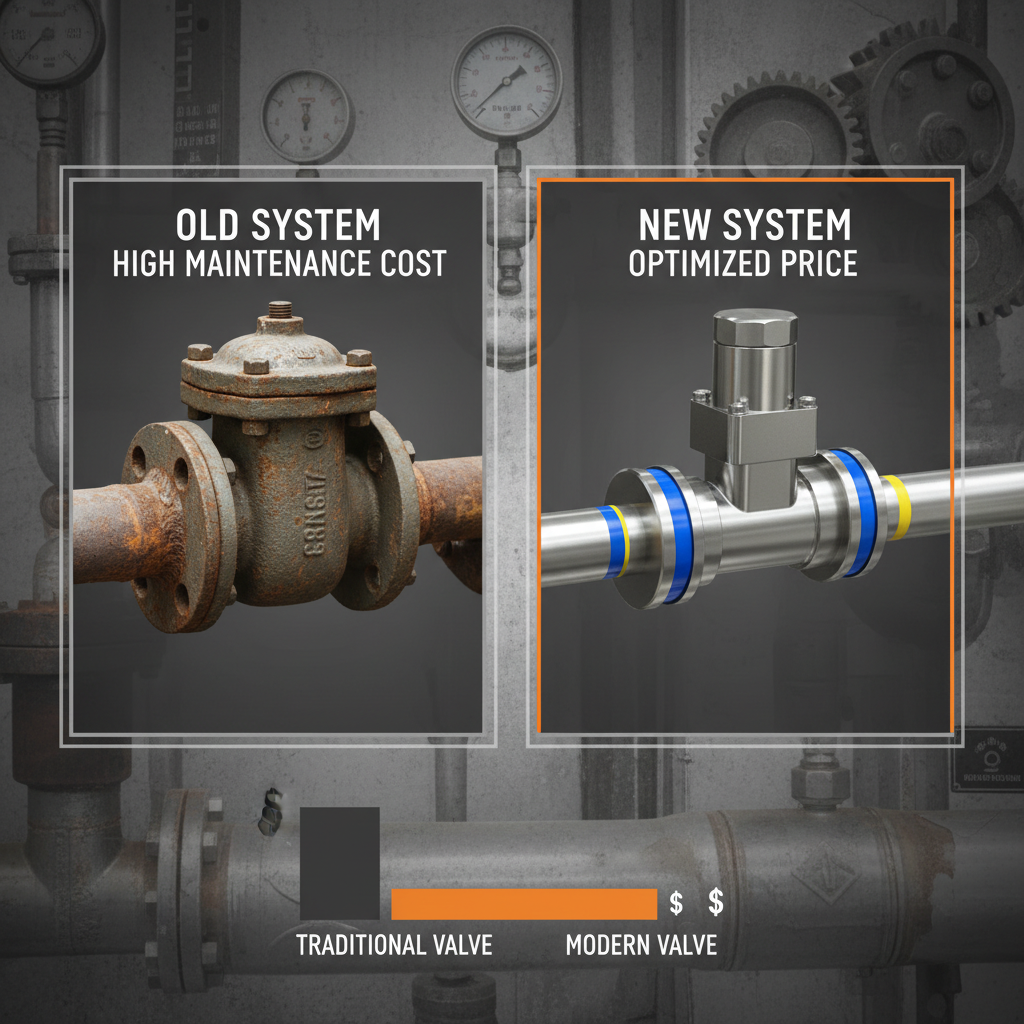
The long-term value of investing in a premium 1 butterfly valve extends beyond the initial purchase price. By reducing the frequency of replacements and minimizing the downtime associated with leak repairs, companies can significantly lower their operational expenditure (OPEX). The logical angle here is clear: higher initial quality leads to lower lifetime costs.
From a sustainability perspective, the compact design of the 1 butterfly valve reduces the amount of raw material required for installation compared to larger valve types. This lowers the carbon footprint of the construction phase and aligns with global ESG (Environmental, Social, and Governance) goals.
Moreover, the reliability of these valves provides peace of mind and trust for plant operators. Knowing that a 1 butterfly valve will respond instantly in an emergency situation provides an emotional layer of security, protecting both the workforce and the surrounding environment from potential industrial accidents.
Future Trends in Valve Automation
The future of the 1 butterfly valve is inextricably linked to the digital transformation of industry, often referred to as Industry 4.0. We are seeing a move toward "smart valves" that integrate IoT sensors to monitor wear and tear in real-time. This allows for predictive maintenance, where a valve is replaced based on actual condition rather than a fixed schedule.
Automation is also evolving through the use of advanced electric actuators that offer precise positioning for the 1 butterfly valve. This enables tighter control over flow rates, which is essential for the production of high-purity chemicals and pharmaceuticals where even a slight deviation in volume can ruin a batch.
Finally, the shift toward green energy is prompting the development of 1 butterfly valve models designed for hydrogen transport and carbon capture systems. These require new materials that can handle the unique properties of hydrogen, such as its propensity for embrittlement, marking a new frontier in valve engineering.
Comparative Analysis of 1 Butterfly Valve Design Standards
| Design Type |
Sealing Capability |
Pressure Rating |
Typical Lifespan |
| Concentric |
Soft Seal |
Low to Medium |
5-8 Years |
| Double Offset |
Enhanced Soft Seal |
Medium |
8-12 Years |
| Triple Offset |
Metal-to-Metal |
High |
15-25 Years |
| Wafer Style |
Standard |
Low |
4-7 Years |
| Lug Style |
High Tightness |
Medium to High |
10-15 Years |
| High-Temp Alloy |
Specialized Metal |
Very High |
20+ Years |
FAQS
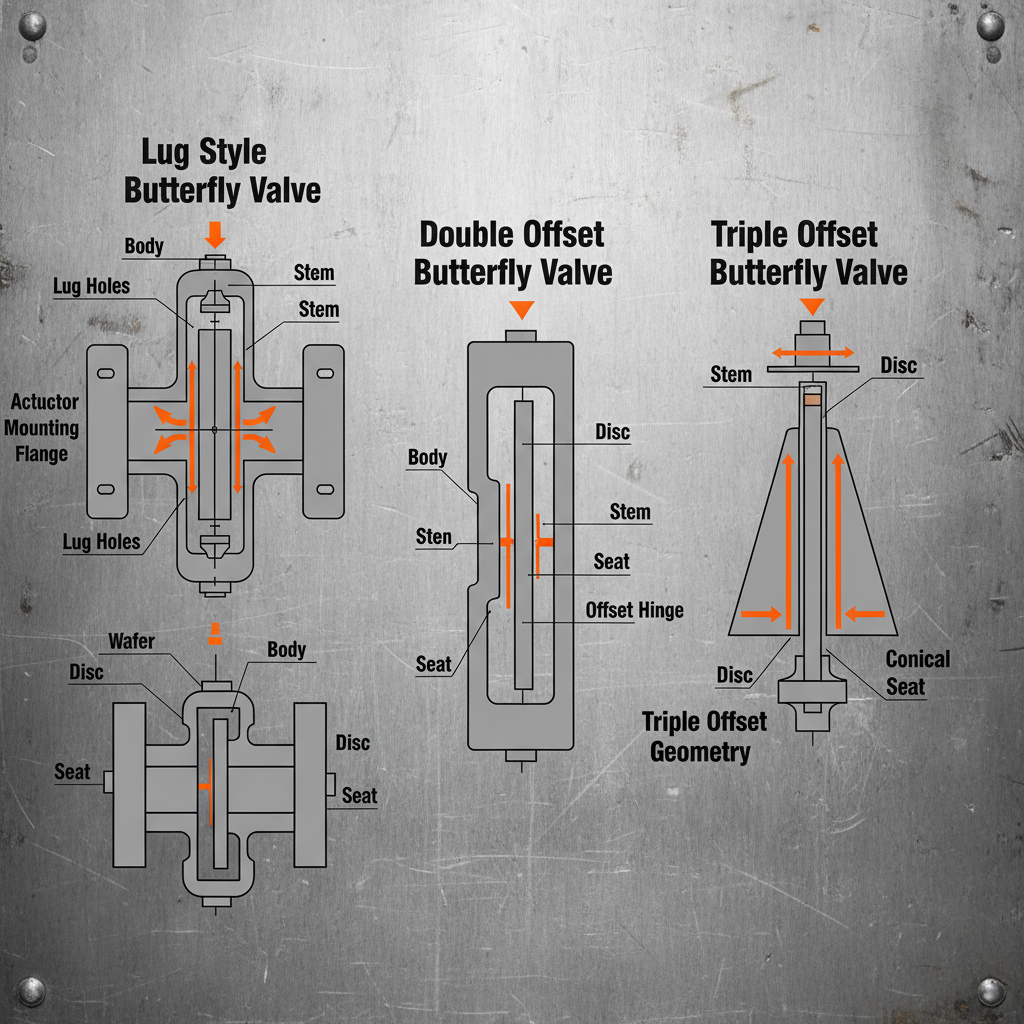
The triple offset design eliminates friction between the disc and the seat during the opening and closing process. By creating a conical sealing surface, the valve achieves a metal-to-metal seal that can withstand significantly higher pressures and temperatures than concentric designs, making it ideal for critical industrial applications.
Seat selection depends on the fluid medium and temperature. EPDM is excellent for water and steam, while Nitrile (NBR) is preferred for oil and gas. For highly corrosive chemicals or extreme temperatures, PTFE or metal seats are the best choices to ensure the valve does not degrade prematurely.
Yes, although they are primarily used for on/off service, butterfly valves can be used for throttling. However, for precise control, it is recommended to use a valve paired with a high-precision actuator and a positioner to ensure the flow rate remains consistent and stable.
A wafer style valve is sandwiched between two pipe flanges and held in place by bolts passing through the valve body. A lug style valve has threaded inserts (lugs) that allow it to be bolted directly to the pipe, enabling the valve to be used as a dead-end service valve where piping can be disconnected from one side.
Inspection intervals vary by application, but generally, a quarterly check of the actuator and a yearly inspection of the seal and stem for wear are recommended. In highly corrosive environments, monthly monitoring of leak rates is advised to prevent unplanned system failures.
Yes, their compact design requires less metal and energy for manufacturing and shipping. Additionally, their low pressure drop helps reduce the energy required for pumping fluids through a system, contributing to a lower overall carbon footprint for the industrial facility.
Conclusion
In summary, the 1 butterfly valve stands as a pinnacle of industrial efficiency, offering an unmatched combination of compact size, rapid operation, and robust reliability. From the meticulous selection of materials to the adoption of triple-offset geometries, these valves solve the critical challenge of managing high-volume flow while minimizing spatial and financial costs. By integrating these components correctly, industries can ensure safer operations and higher throughput.
Looking forward, the integration of IoT and sustainable materials will further elevate the role of the 1 butterfly valve in the global supply chain. We encourage engineers and procurement managers to prioritize quality and specification accuracy to maximize the lifespan of their infrastructure. To explore our full range of high-performance flow control solutions, visit our website: www.savvyvalvetech.com





 English