Look, I’ve been elbows-deep in construction for over 20 years, and a reliable valve is the backbone of any project. You can have the best plans, the most skilled team, but if your flow control isn’t solid, you’re dead in the water. We’re talking about everything from wastewater treatment to chemical processing, and increasingly, precise control in HVAC systems. A 1 1 2 inch butterfly valve isn’t glamorous, but it’s essential. I’ve seen too many jobs delayed, budgets blown, and headaches caused by cheap or poorly specified valves. It's the little things that make or break a project, and reliable flow control is absolutely one of those things.
What gets me is how often people underestimate the importance of choosing the right valve. They go for the cheapest option upfront, and then spend weeks troubleshooting leaks, corrosion, or just plain unreliable operation. A 1 1 2 inch butterfly valve is a critical component – it’s not a place to cut corners. I've spent enough time crawling under floors and into tight spaces to tell you that preventative maintenance and investing in quality from the start save you time, money, and a whole lot of frustration down the line.
It’s all about efficiency and minimizing downtime. Every hour a system is offline costs money. A properly selected and maintained 1 1 2 inch butterfly valve helps keep things running smoothly, reducing the risk of unexpected shutdowns and ensuring projects stay on schedule. We're not just moving fluids; we’re protecting investments and ensuring safety.
The Importance of 1 1 2 inch butterfly valve in Modern Construction
Let’s be straight: construction’s getting more complex. Modern buildings need precise control over fluid flow, whether it's for cooling, heating, or industrial processes. A 1 1 2 inch butterfly valve, when specified correctly, allows for that precise control, optimizing system performance and reducing energy consumption. It's a fundamental piece of the puzzle, and you see them everywhere, from large-scale commercial projects to smaller residential applications.
The demand for these is steadily increasing globally. With the growth of infrastructure projects, especially in developing nations, the need for reliable flow control is paramount. I’ve been on sites in Southeast Asia, the Middle East, and South America where the availability of quality valves directly impacted project timelines. It’s not just about having a valve; it’s about having a valve that can withstand the specific conditions and demands of the environment.
Understanding 1 1 2 inch butterfly valve: A Practical Definition
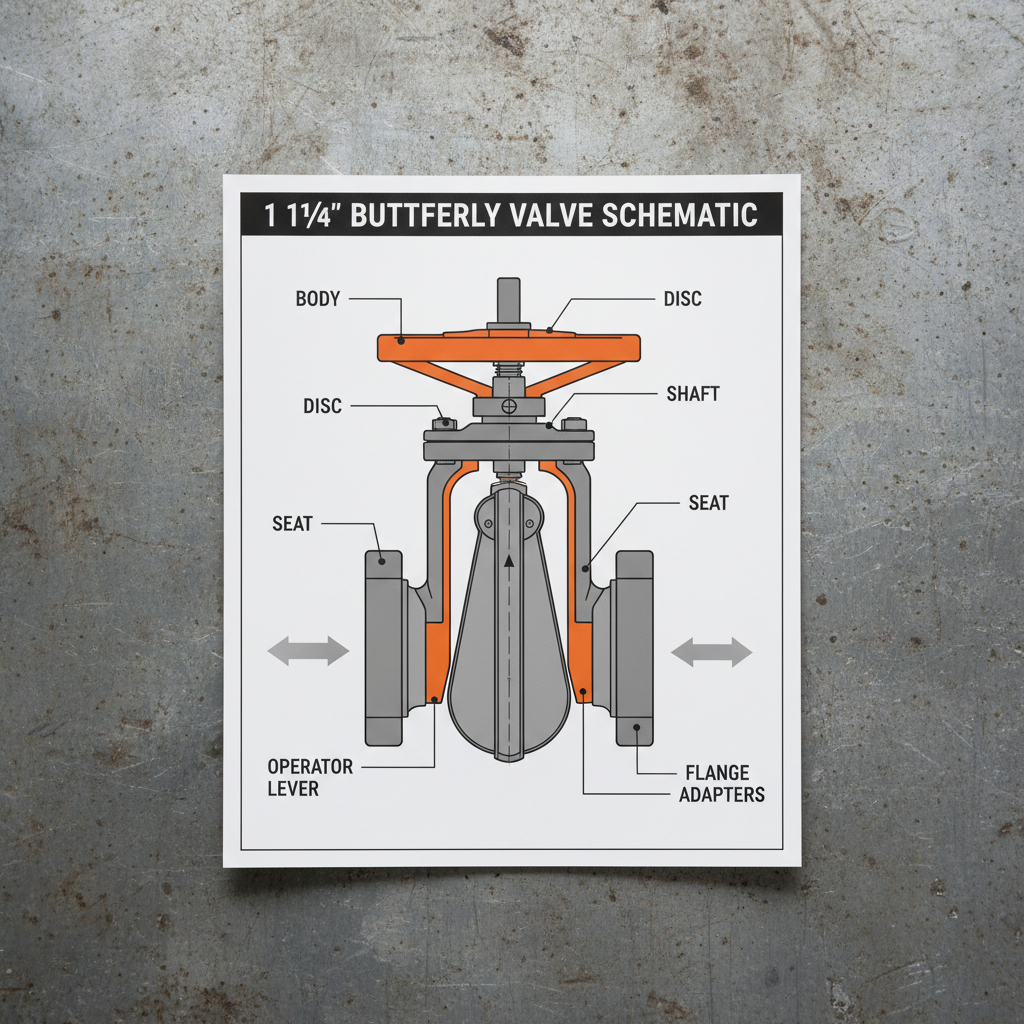
Okay, so what is a 1 1 2 inch butterfly valve? Forget the fancy engineering terms. Think of it like this: it’s a disc that rotates within a pipe to control the flow of fluids. The “1 1 2 inch” refers to the diameter of the pipe it fits into – it’s a common size for a lot of industrial and commercial applications. They’re called “butterfly” valves because of the shape of the disc.
Compared to other valve types, butterfly valves are relatively lightweight and compact, making them easier to install and maintain. They’re also generally more cost-effective, which is a big plus on any project. But don't let the lower cost fool you – a quality 1 1 2 inch butterfly valve built with the right materials can last for decades.
In the modern industry, they address the need for fast, efficient flow control in a wide range of applications. Everything from water treatment plants ensuring clean water supplies, to chemical plants handling corrosive materials – these valves are integral to keeping those processes safe and reliable.
Key Factors Influencing 1 1 2 inch butterfly valve Performance
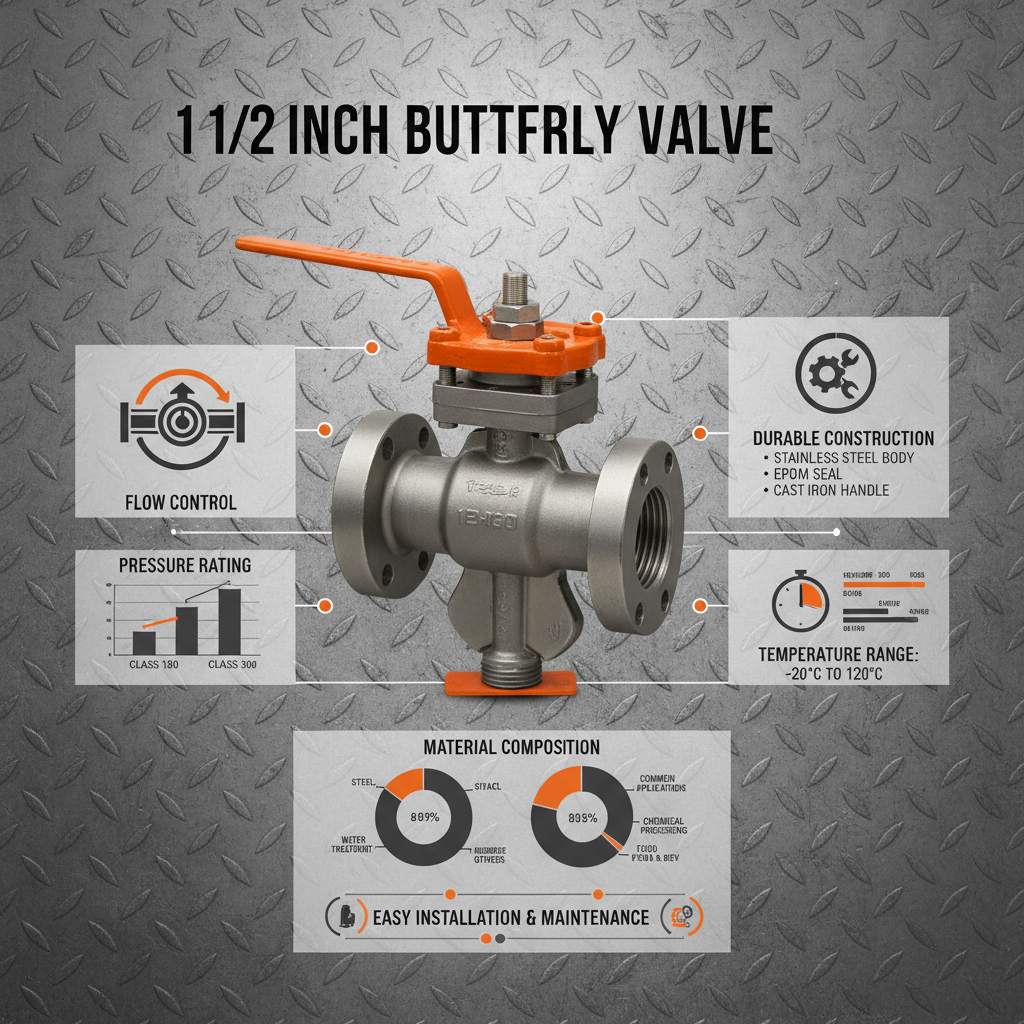
Durability is huge. A 1 1 2 inch butterfly valve needs to withstand the pressure and temperature of the fluid it’s controlling, as well as the environment it’s in. The material of construction – stainless steel, cast iron, epoxy-coated, etc. – is critical. I’ve seen valves corrode and fail within months in harsh environments when the wrong material was specified.
Sealing is another key factor. You need a tight seal to prevent leaks, which can be costly and dangerous. The type of seat material – EPDM, PTFE, etc. – plays a big role here. A poor seal will result in constant maintenance, wasted resources, and potentially hazardous situations.
Flow characteristics also matter. Different valve designs offer different levels of flow restriction. Understanding the flow coefficient (Cv) is essential for selecting a valve that will deliver the desired performance. It’s not just about opening and closing the valve; it’s about controlling the flow rate precisely.
Real-World Applications of 1 1 2 inch butterfly valve
I see 1 1 2 inch butterfly valves in wastewater treatment plants regulating flow through filtration systems. I’ve used them in cooling towers controlling the circulation of water. They are in chemical processing facilities handling everything from acids to solvents. The versatility is what makes them so popular.
They're vital in the oil and gas industry, regulating the flow of hydrocarbons in pipelines and refineries. You'll also find them in large HVAC systems, controlling the flow of chilled water or steam. They are even used in food and beverage processing plants, ensuring sanitary and efficient fluid handling.
1 1 2 inch butterfly valve Performance Comparison
Advantages and Long-Term Value of Choosing Quality 1 1 2 inch butterfly valve
Investing in a high-quality 1 1 2 inch butterfly valve pays off in the long run. Lower maintenance costs, reduced downtime, and increased system efficiency all contribute to significant cost savings over the valve’s lifespan. I've seen projects where the upfront investment in a better valve saved them thousands in repair costs down the road.
Beyond cost, there’s the peace of mind. Knowing your flow control is reliable and consistent reduces stress and allows you to focus on other critical aspects of the project. That’s valuable. Safety is also a huge factor. A reliable valve minimizes the risk of leaks or failures that could potentially cause harm to workers or the environment.
Global Trends and Innovations in 1 1 2 inch butterfly valve Technology
We're seeing a move towards smart valves, equipped with sensors and actuators that allow for remote monitoring and control. These “intelligent” valves can provide valuable data on flow rates, pressure, and temperature, allowing for proactive maintenance and optimized performance. It’s a game changer for large-scale operations.
There’s also a growing focus on sustainable materials and manufacturing processes. Manufacturers are developing valves made from recycled materials and using more energy-efficient production methods. It’s a small step, but it’s a step in the right direction. And with the push for green energy, we're seeing increased demand for valves that can handle biofuels and other alternative fluids.
Common Challenges and Solutions Regarding 1 1 2 inch butterfly valve
One of the biggest challenges is selecting the right valve for the specific application. It’s not a one-size-fits-all situation. You need to consider the fluid type, temperature, pressure, and operating conditions. That’s where experience and expertise come in. Don't be afraid to consult with a qualified valve specialist.
Another common issue is corrosion. If you’re dealing with corrosive fluids, you need to choose a valve made from a corrosion-resistant material. Regular inspection and maintenance are also crucial to prevent corrosion from developing. Preventative maintenance schedules are your best friend.
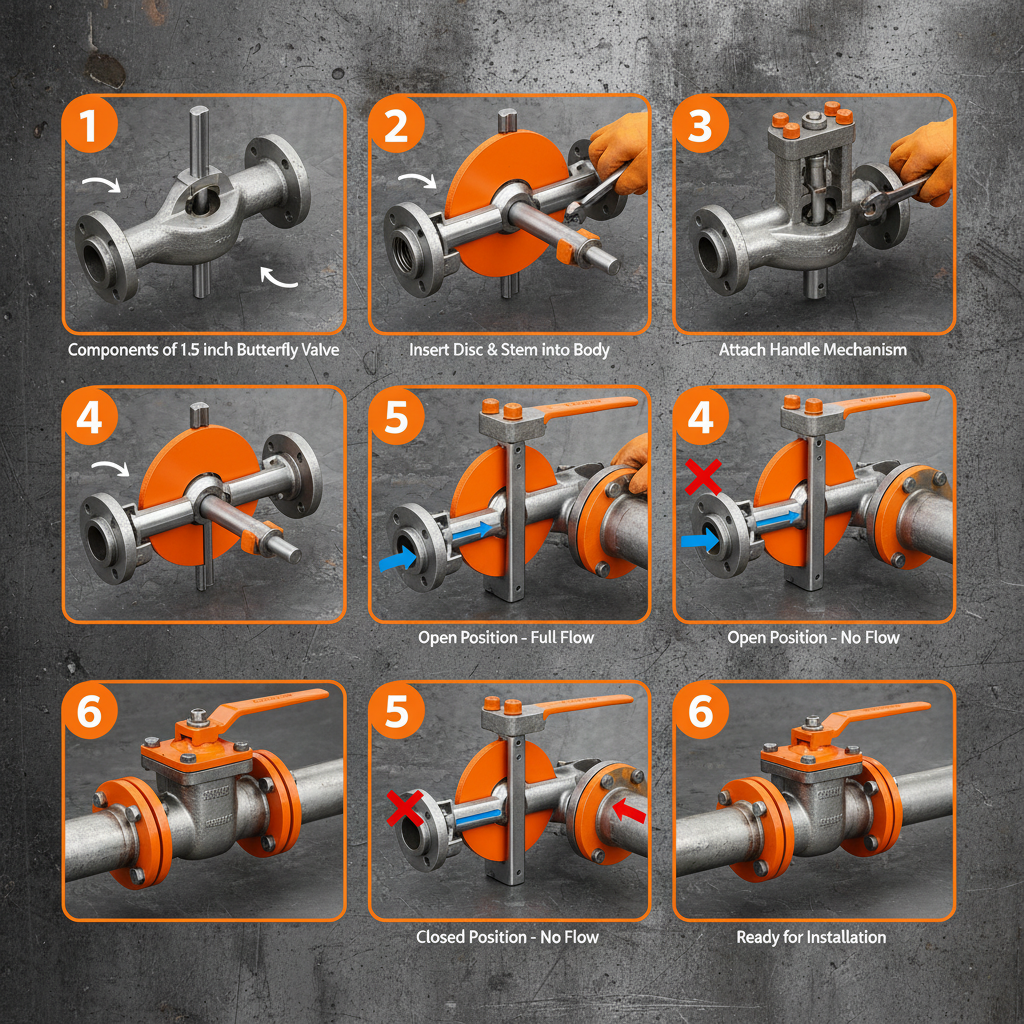
Finally, improper installation can lead to leaks and failures. Make sure the valve is installed correctly, with the proper torque applied to the bolts. A qualified installer is essential.
A Comprehensive Analysis of 1 1 2 inch butterfly valve Issues and Resolutions
| Issue Category |
Severity Level (1-5) |
Potential Impact |
Recommended Solution |
| Corrosion |
4 |
System Failure, Leakage |
Utilize Corrosion-Resistant Materials |
| Leakage |
3 |
Fluid Loss, Environmental Hazard |
Ensure Proper Sealing and Tightening |
| Incorrect Sizing |
2 |
Reduced Efficiency, System Imbalance |
Perform Accurate Flow Calculations |
| Material Degradation |
3 |
Valve Malfunction, Component Failure |
Implement Regular Inspection and Replacement |
| Improper Installation |
4 |
Valve Damage, System Instability |
Employ Qualified Installation Technicians |
| Erosion from Particles |
2 |
Reduced Valve Life, Decreased Performance |
Install Filters/Strainers Upstream |
FAQS
In a standard water treatment setting, a well-maintained 1 1 2 inch butterfly valve constructed from quality materials like stainless steel can realistically last between 15-20 years. However, lifespan is highly dependent on water quality, operating pressure, and frequency of maintenance. Regular inspections for corrosion, seal wear, and smooth operation are key to maximizing longevity. Replacing worn seals and ensuring proper lubrication can significantly extend the valve’s service life.
Selecting the right material is critical when handling chemicals. You absolutely must consult a chemical compatibility chart. These charts detail which materials (stainless steel grades, polymers like PTFE, etc.) are resistant to specific chemicals. Consider the concentration and temperature of the chemical as these can impact compatibility. When in doubt, over-specify rather than risk corrosion and failure. Always refer to the manufacturer’s recommendations as well.
Lug-style valves have lugs around the perimeter that allow for easy installation between flanges using bolts. They’re generally more robust and can handle higher pressures. Wafer-style valves are slimmer and lighter, relying on the piping system to provide support. They’re typically used in lower-pressure applications. The choice depends on the piping system and operating conditions. Lug style offers more flexibility for maintenance and replacement.
Regular maintenance is crucial. This includes visual inspections for corrosion, leaks, and damage. Lubricate the stem and disc periodically to ensure smooth operation. Inspect and replace the seat material as needed. Check the torque on the bolts and tighten if necessary. Keeping a maintenance log will help track performance and identify potential problems before they become serious. Schedule preventative maintenance checks at least annually.
While butterfly valves can be used for throttling, it’s not ideal for prolonged, precise flow control. Frequent throttling can accelerate wear on the disc and seat. For applications requiring precise throttling, consider a ball valve or globe valve designed for that purpose. However, for occasional throttling or simple on/off control, a butterfly valve is perfectly suitable.
Automated butterfly valves offer several advantages. They allow for remote control and precise flow regulation, enhancing system efficiency. Automation reduces the need for manual intervention, improving safety and minimizing human error. They can be integrated into SCADA systems for automated process control. While the initial investment is higher, the long-term benefits often outweigh the costs, particularly in large-scale operations.
Conclusion
To wrap things up, a 1 1 2 inch butterfly valve may seem like a simple component, but it’s absolutely critical for the reliable operation of countless systems. Investing in a quality valve, specifying the right materials, and implementing a robust maintenance program will pay dividends in the long run, minimizing downtime, reducing costs, and ensuring safety. It’s about more than just moving fluid – it’s about protecting your investment.
Don't underestimate the power of preventative maintenance and expert consultation. If you’re unsure which valve is right for your application, reach out to a qualified valve specialist. They can help you navigate the options and ensure you choose the best solution for your needs. For reliable, high-quality 1 1 2 inch butterfly valves and expert advice, visit our website at www.savvyvalvetech.com.




 English