The 1.5 inch butterfly valve represents a critical balance between compact design and high-flow efficiency, serving as a cornerstone in modern fluid control systems across the globe. By providing a precise mechanism for isolating or regulating the flow of liquids and gases, these valves enable industrial operators to maintain strict control over their piping networks while minimizing spatial footprints. Understanding the nuances of this specific sizing is essential for engineers seeking to optimize system pressure and prevent costly downtime in high-stakes environments.
Across global markets, the demand for the 1.5 inch butterfly valve has surged as industries shift toward modular plant designs and more efficient waste management systems. From pharmaceutical cleanrooms to municipal water treatment facilities, the ability to quickly actuate a valve with minimal torque makes the butterfly design superior to traditional gate or globe valves in many low-to-medium pressure applications. The versatility of this size ensures it remains a standard specification in thousands of industrial blueprints worldwide.
Beyond mere technical utility, the selection of a high-quality 1.5 inch butterfly valve impacts the overall sustainability and safety of an industrial operation. Leaks in small-bore piping can lead to significant product loss or environmental hazards, making the seal integrity and material composition of the valve paramount. By exploring the technical specifications and application strategies, companies can enhance their operational reliability and adhere to stringent international safety standards.
Global Relevance of the 1.5 Inch Butterfly Valve
In the current landscape of global manufacturing, the 1.5 inch butterfly valve serves as a critical component in maintaining the flow of essential resources. According to ISO standards for piping and valves, the mid-range sizing of these valves allows for a seamless transition between primary distribution lines and secondary process lines. This versatility is particularly evident in emerging economies where rapid industrialization requires scalable and cost-effective fluid handling solutions.
The challenge many global operators face is the "pressure-drop paradox," where attempting to reduce valve size to save space often results in inefficient flow. The 1.5 inch butterfly valve solves this by offering a full-bore capacity that minimizes turbulence while fitting into tight manifolds. This makes it an indispensable tool for maintaining high throughput in sectors ranging from chemical processing to urban HVAC systems.
Defining the 1.5 Inch Butterfly Valve Architecture
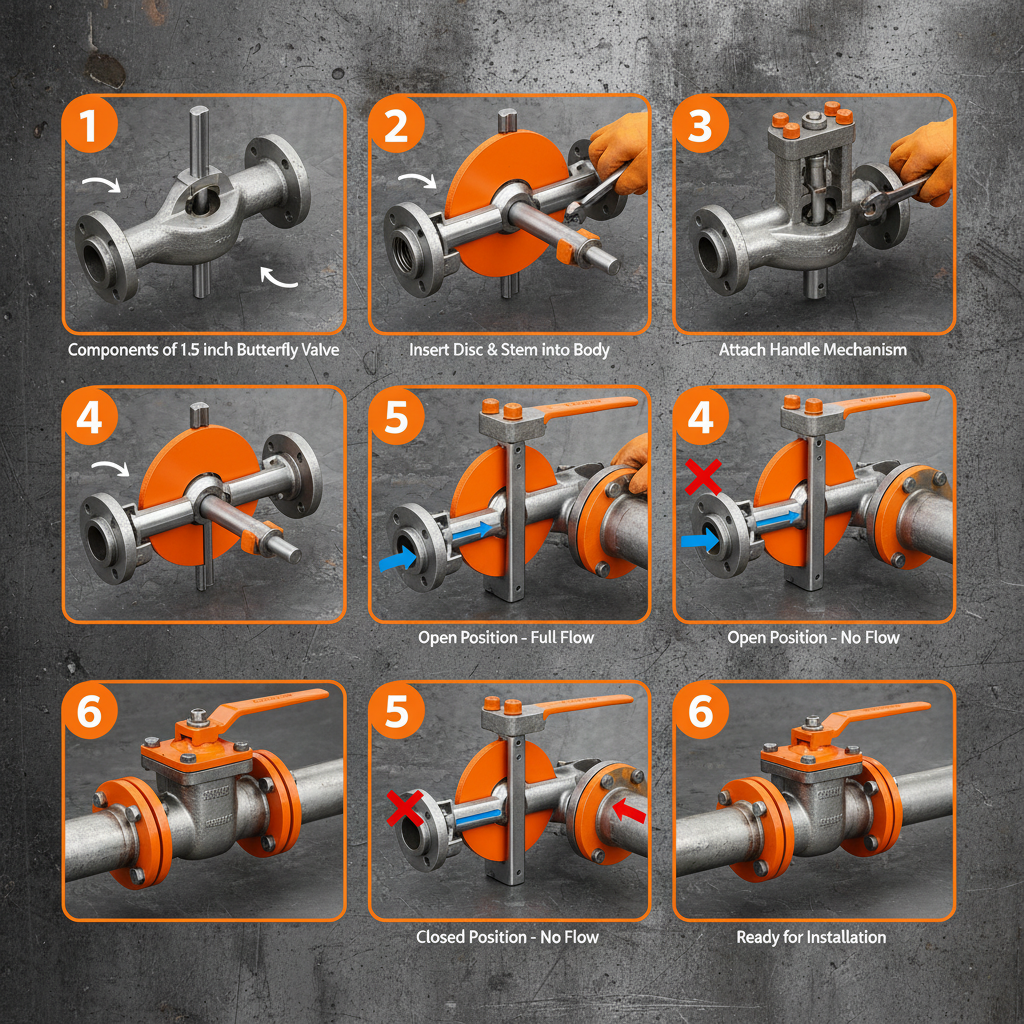
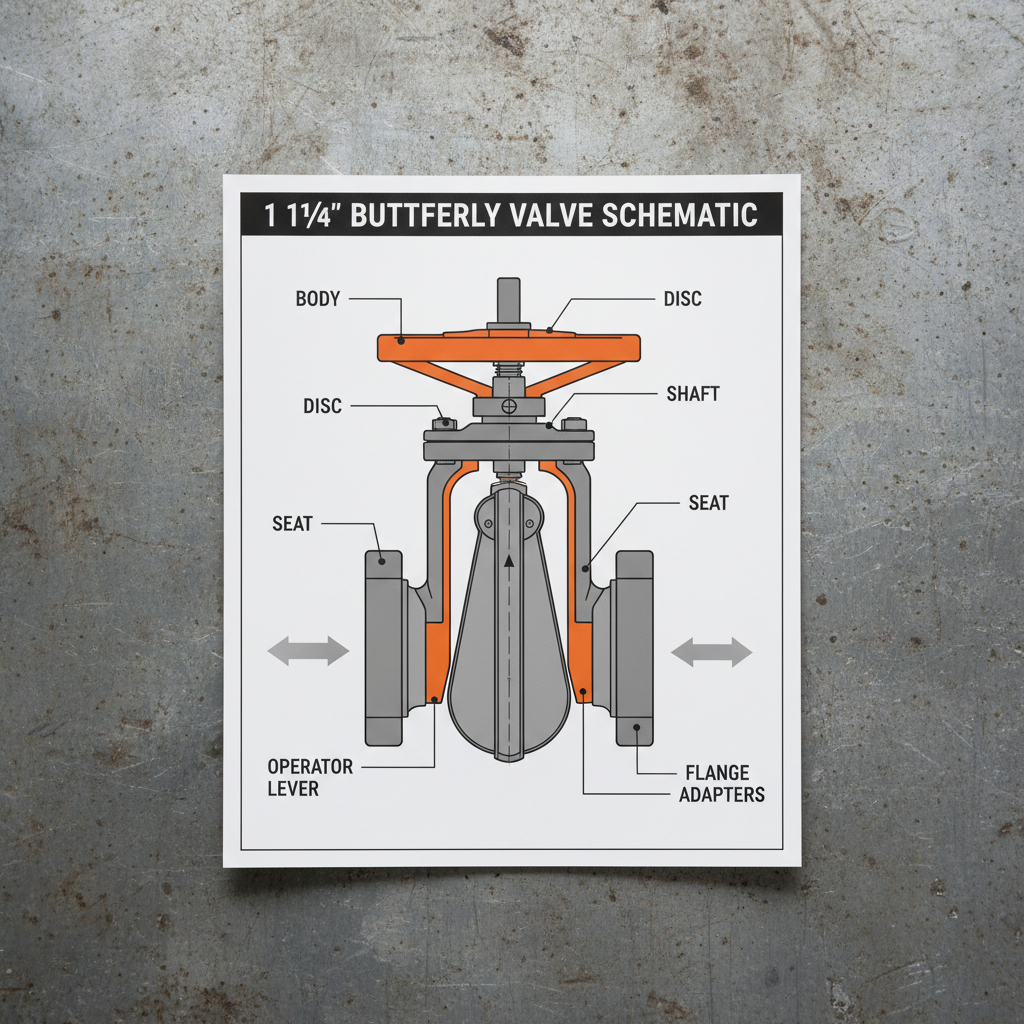
At its simplest, a 1.5 inch butterfly valve is a quarter-turn rotational motion valve used to stop, regulate, and start flow. It consists of a disc mounted on a stem that rotates within a sealed seat. When the disc is turned 90 degrees, it either blocks the flow entirely or allows it to pass through the open circular area, making it one of the most efficient designs for quick-action shut-off.
This architecture is deeply connected to modern humanitarian and industrial needs, particularly in water sanitation and distribution. Because they are lightweight and easy to install, these valves are frequently used in rapid-deployment water systems for disaster relief, where the ability to isolate sections of a pipe network quickly can prevent contamination and save lives.
Technically, the "1.5 inch" designation refers to the nominal pipe size (NPS), ensuring compatibility with standard piping flanges. This standardization allows engineers to source components globally, ensuring that a valve manufactured in one region can be seamlessly integrated into a plant located in another, thereby facilitating global trade and technical cooperation.
Core Components for Operational Durability
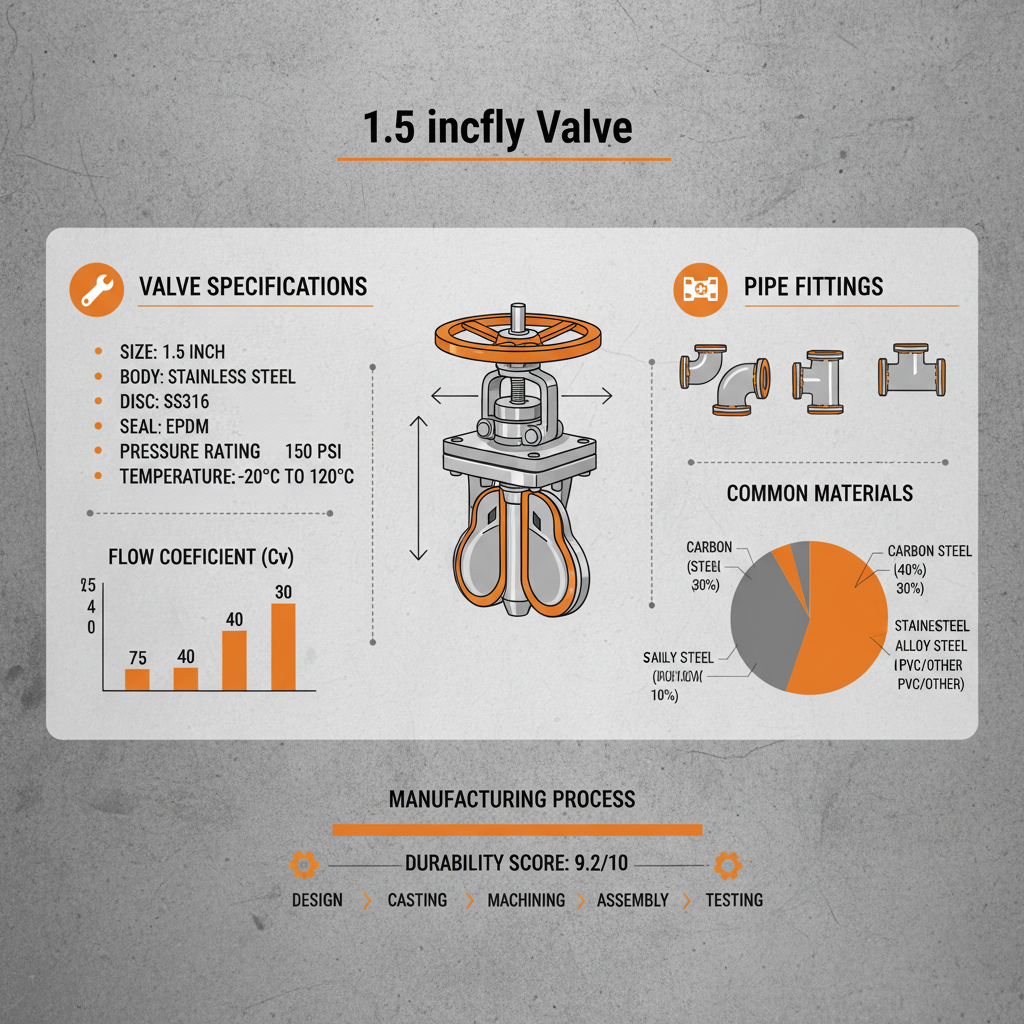
The longevity of a 1.5 inch butterfly valve depends heavily on its material selection, specifically the disc and the seat. For corrosive environments, stainless steel discs paired with PTFE seats are utilized to prevent oxidation and ensure a bubble-tight shut-off over thousands of cycles.
Scalability is achieved through the integration of various actuation methods. While manual levers are common for smaller installations, the 1.5 inch butterfly valve is frequently paired with pneumatic or electric actuators, allowing for remote operation in hazardous zones or automated sequences in smart factories.
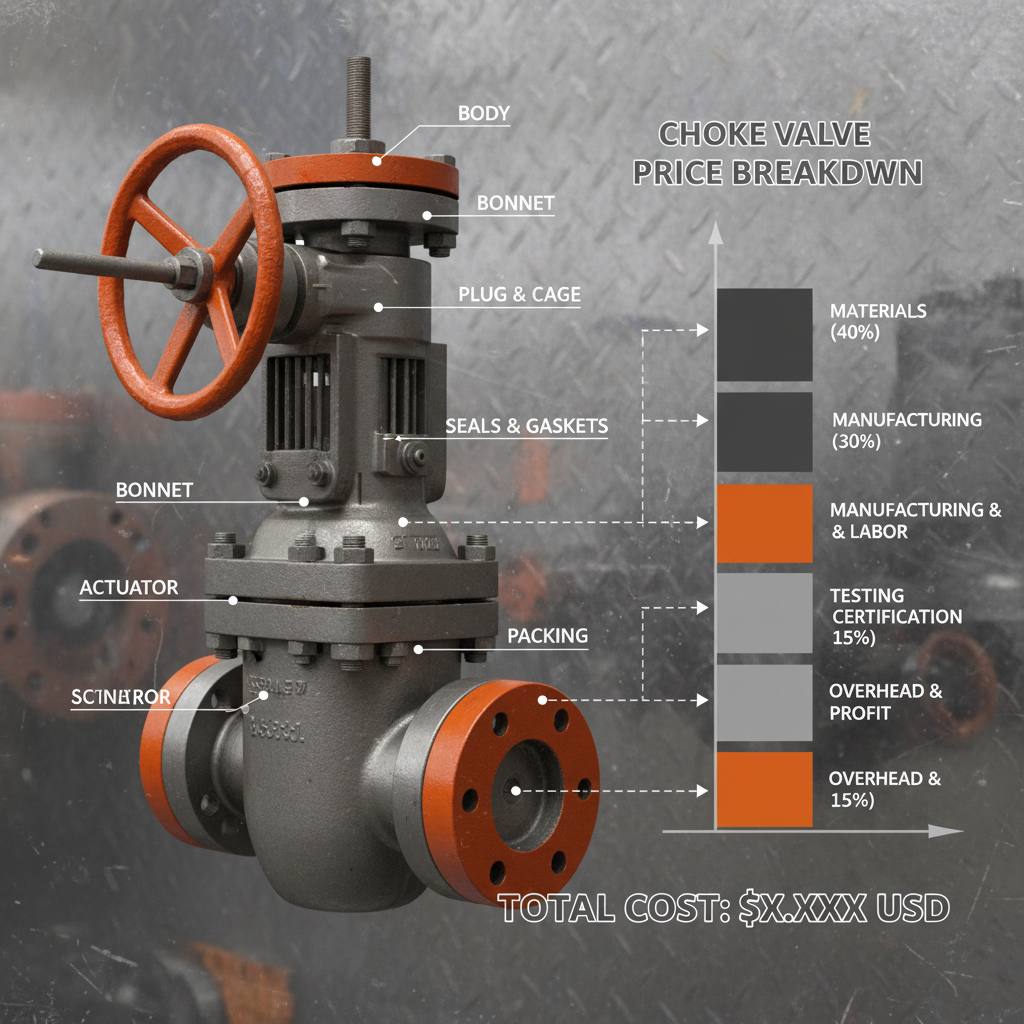
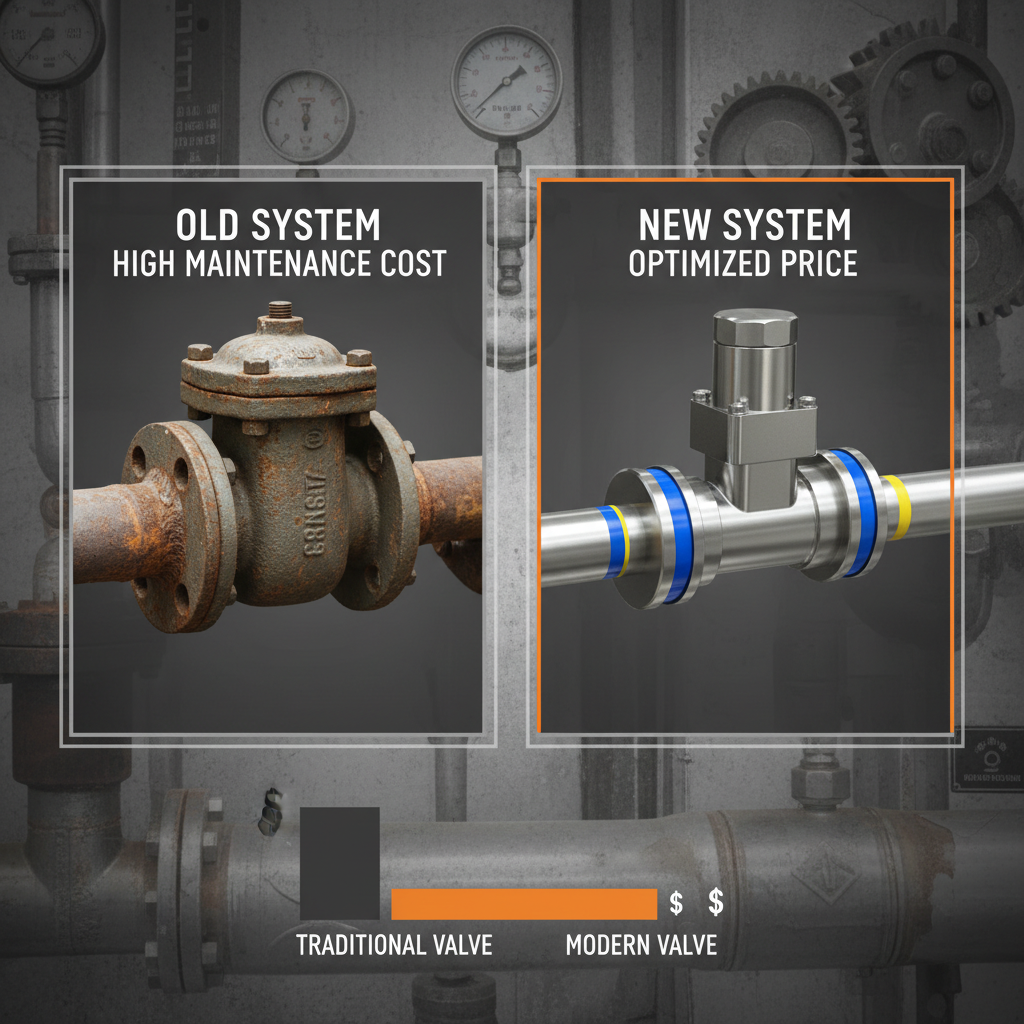
Cost efficiency is not just about the initial purchase price but the total cost of ownership. High-precision machining of the valve stem reduces friction, which in turn lowers the wear and tear on seals, extending the maintenance interval and reducing the operational expenditure for plant managers.
Efficiency Metrics and Performance Factors
When evaluating the performance of a 1.5 inch butterfly valve, engineers look at the flow coefficient (Cv) and the pressure-temperature rating. A higher Cv indicates less resistance to flow, which is a hallmark of the butterfly design compared to globe valves. This efficiency ensures that pumps do not have to work harder to push fluid through the system, leading to significant energy savings over the life of the equipment.
Furthermore, the torque requirements for opening and closing the valve play a role in selecting the right actuation hardware. By optimizing the disc profile, manufacturers can reduce the effort required to break the seal, ensuring that the valve operates smoothly even after periods of inactivity.
Performance Comparison of 1.5 Inch Butterfly Valve Variations
Global Applications and Industrial Use Cases
In real-world contexts, the 1.5 inch butterfly valve is extensively used in the food and beverage industry, particularly in breweries and dairies. In these environments, "pigging" systems and Clean-in-Place (CIP) processes require valves that can be quickly sanitized and provide a flush flow path to avoid bacterial buildup.
Beyond the food sector, these valves are critical in remote industrial zones, such as mining sites in Australia or oil fields in the Middle East. In these regions, the ease of installation and the low weight of the 1.5 inch butterfly valve make it the preferred choice for temporary piping manifolds and water cooling loops, where heavy machinery for installation is not always available.
Long-Term Value and Sustainability Benefits
The long-term value of investing in premium 1.5 inch butterfly valves lies in their contribution to operational safety and environmental stewardship. By ensuring a zero-leakage seal, these valves prevent the accidental release of hazardous chemicals into the atmosphere or groundwater, thereby protecting the local ecosystem and reducing the company's liability risks.
From a logical angle, the compact nature of the butterfly design reduces the amount of structural steel required to support piping networks. This reduction in material usage lowers the overall carbon footprint of the plant construction, aligning industrial growth with global sustainability goals such as the UN Sustainable Development Goals.
Emotionally, the reliability of a trusted valve system brings peace of mind to plant operators. Knowing that a critical shut-off point will function exactly as intended during an emergency provides a sense of security and trust, which is the foundation of a mature safety culture in any manufacturing facility.
Future Trends in Butterfly Valve Innovation
The future of the 1.5 inch butterfly valve is being shaped by the digital transformation of industry, often referred to as Industry 4.0. We are seeing the rise of "smart valves" equipped with embedded IoT sensors that can monitor flow rates, temperature, and disc wear in real-time. This allows for predictive maintenance, where a valve can alert operators to a potential failure before it occurs.
Material science is also evolving, with the introduction of advanced ceramic coatings and graphene-reinforced polymers. These innovations aim to make the 1.5 inch butterfly valve even more resistant to extreme temperatures and highly corrosive media, expanding its utility into the green hydrogen and carbon capture sectors.
Furthermore, there is a growing movement toward "green manufacturing" of the valves themselves. Companies are adopting additive manufacturing (3D printing) to create optimized internal geometries that further reduce flow turbulence and material waste, ensuring that the valves of tomorrow are as sustainable to produce as they are to operate.
Technical Specifications and Material Analysis for 1.5 Inch Butterfly Valves
|
Material Grade
|
Pressure Rating (PSI)
|
Seal Compatibility
|
Corrosion Resistance
|
|
Cast Iron (WCB)
|
150 - 250
|
EPDM / NBR
|
Moderate (Score: 4)
|
|
Stainless Steel 304
|
300 - 600
|
PTFE / Viton
|
High (Score: 8)
|
|
Stainless Steel 316
|
300 - 600
|
PTFE / FFKM
|
Excellent (Score: 10)
|
|
Duplex Steel
|
600 - 1200
|
Metal-to-Metal
|
Extreme (Score: 9)
|
|
PVC / CPVC
|
50 - 150
|
EPDM
|
Chemical Specific (Score: 7)
|
|
Alloy 20
|
300 - 500
|
Teflon
|
Super High (Score: 9)
|
FAQS
The primary advantage is the compact face-to-face dimension and lower weight. In a 1.5 inch size, a butterfly valve typically occupies less space and is more cost-effective for high-flow applications where a perfectly tight shut-off is required but the extreme pressure ratings of a ball valve are not necessary. Additionally, butterfly valves generally offer a lower pressure drop across the valve when fully open.
Wafer types are sandwiched between two flanges, making them lighter and cheaper, which is ideal for long runs of piping. Lug types have threaded inserts that allow the valve to be bolted directly to the pipe, enabling "dead-end" service where the piping on one side can be disconnected without disturbing the rest of the system. Choose lug types for maintenance-heavy areas.
Yes, butterfly valves can be used for throttling, although they are not as precise as globe valves. For accurate flow regulation in a 1.5 inch system, it is recommended to use a high-performance butterfly valve with a V-port disc or an automated actuator that can maintain specific percentage-open positions to avoid cavitation and erosion.
PTFE (Teflon) is the gold standard for chemical resistance due to its inert nature. For higher temperature applications or specific hydrocarbons, Viton or FFKM are used. If the valve is handling standard water or mild acids, EPDM is often selected for its excellent elasticity and cost-effectiveness.
Service intervals depend on the cycle frequency and the media being transported. In standard industrial use, a visual inspection every 6 months and a full seal check annually is recommended. In abrasive or caustic environments, quarterly inspections are necessary to ensure the disc is not pitting and the seat remains bubble-tight.
Most professional-grade 1.5 inch butterfly valves are designed with an ISO 5211 mounting pad. This standardization allows you to easily remove the manual lever and install a pneumatic or electric actuator without modifying the valve body, provided the actuator torque exceeds the valve's break-loose torque.
Conclusion
The 1.5 inch butterfly valve is far more than a simple piece of hardware; it is a sophisticated engineering solution that enables efficiency, safety, and scalability in fluid management. By combining a compact footprint with high flow capacity and versatile material options, it addresses the most pressing challenges of modern industrial piping—namely, the need for rapid operation and minimal spatial impact. From the precision of its internal seals to the adaptability of its actuation, this valve remains a fundamental component in maintaining the heartbeat of global industrial infrastructure.
Looking forward, the integration of smart sensors and sustainable materials will continue to elevate the role of the butterfly valve in the era of Industry 4.0. We suggest that engineers prioritize the total cost of ownership and environmental impact when selecting their valve specifications, moving toward high-performance alloys and automated monitoring. To ensure your operations are equipped with the most reliable and efficient flow control solutions, we invite you to explore our comprehensive range of industrial valves. Visit our website: www.savvyvalvetech.com





 English