The industrial landscape relies heavily on precise flow control, and the 1.5 butterfly valve stands as a pivotal component in managing medium-sized piping systems. By offering a compact design and quick-quarter turn operation, these valves ensure that fluid dynamics are maintained with minimal pressure drop, making them indispensable for modern manufacturing and infrastructure.
Understanding the nuances of the 1.5 butterfly valve is not merely a matter of technical specification but a strategic advantage in operational efficiency. Globally, the shift toward leaner industrial processes has placed a premium on valves that combine durability with ease of installation, ensuring that downtime is minimized and throughput is maximized across various sectors.
Whether integrated into water treatment plants or complex chemical processing lines, the 1.5 butterfly valve provides a reliable balance of cost-effectiveness and high performance. By mastering the selection and maintenance of these components, engineers can significantly enhance the longevity of their piping networks while adhering to strict international safety standards.
Global Industrial Relevance of 1.5 Butterfly Valve
On a global scale, the demand for a 1.5 butterfly valve is driven by the rapid expansion of urban water infrastructure and the industrialization of emerging economies. Adhering to ISO standards, these valves facilitate the movement of critical fluids in environments where space is limited but reliability is non-negotiable.
The primary challenge addressed by the 1.5 butterfly valve is the need for a rapid-shutoff mechanism that does not obstruct the flow path significantly when open. In large-scale industrial complexes, where thousands of valves operate simultaneously, the efficiency of this specific size helps in optimizing the pressure gradients and reducing energy consumption in pumping stations.
Technical Definition and Core Meaning
In simple engineering terms, a 1.5 butterfly valve is a quarter-turn rotational motion valve used to stop, regulate, or start the flow of a liquid or gas. The "1.5" typically refers to the nominal pipe size (NPS), making it a versatile mid-range component that fits seamlessly into a variety of industrial piping layouts without requiring excessive clearance.
Beyond the mechanical description, this valve represents a bridge between small-scale precision and large-scale industrial power. Its ability to provide a tight seal with a simple 90-degree turn makes it an essential tool for technicians who need to perform rapid isolations during emergency maintenance or routine system checks.
In the context of modern humanitarian needs, such as the deployment of rapid-response water filtration systems in disaster zones, the 1.5 butterfly valve is often the preferred choice. Its lightweight nature and ease of transport ensure that clean water can be routed efficiently to affected populations with minimal technical overhead.
Key Engineering Factors for Performance
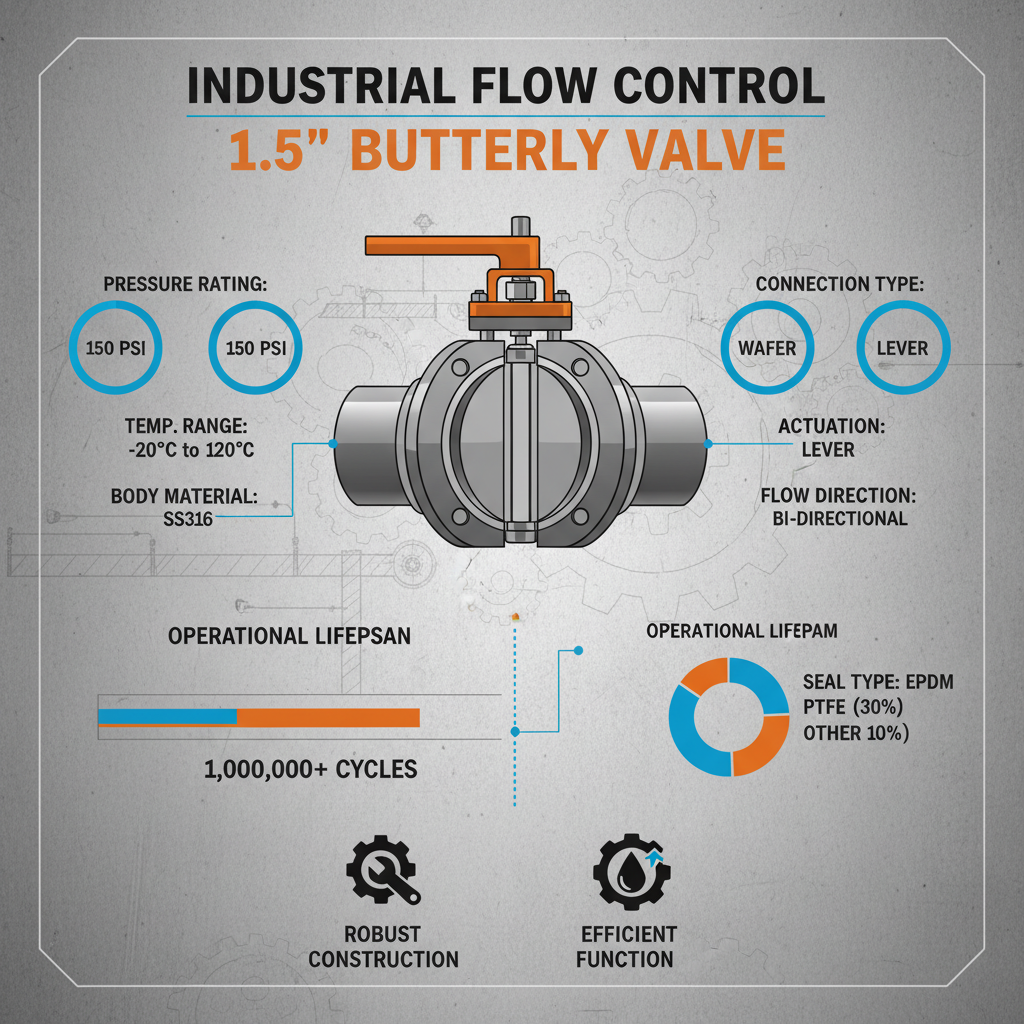
Durability is the cornerstone of any 1.5 butterfly valve. The choice of materials—ranging from stainless steel for corrosive environments to ductile iron for general utility—determines how well the valve withstands cavitation and erosion over years of continuous service.
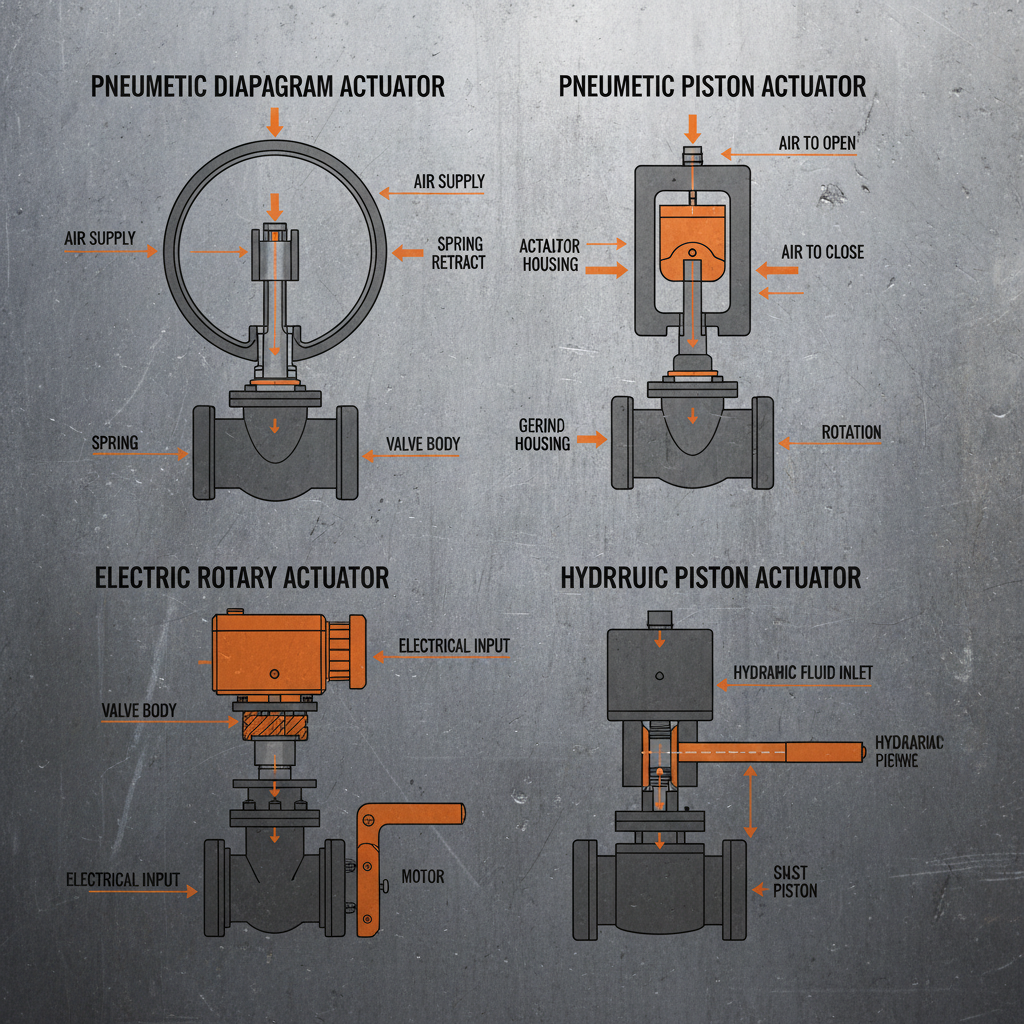
Scalability and versatility are equally critical. A high-quality 1.5 butterfly valve is designed to be compatible with various actuation methods, including manual levers, pneumatic actuators, and electric motors, allowing it to adapt to both manual workshops and fully automated smart factories.
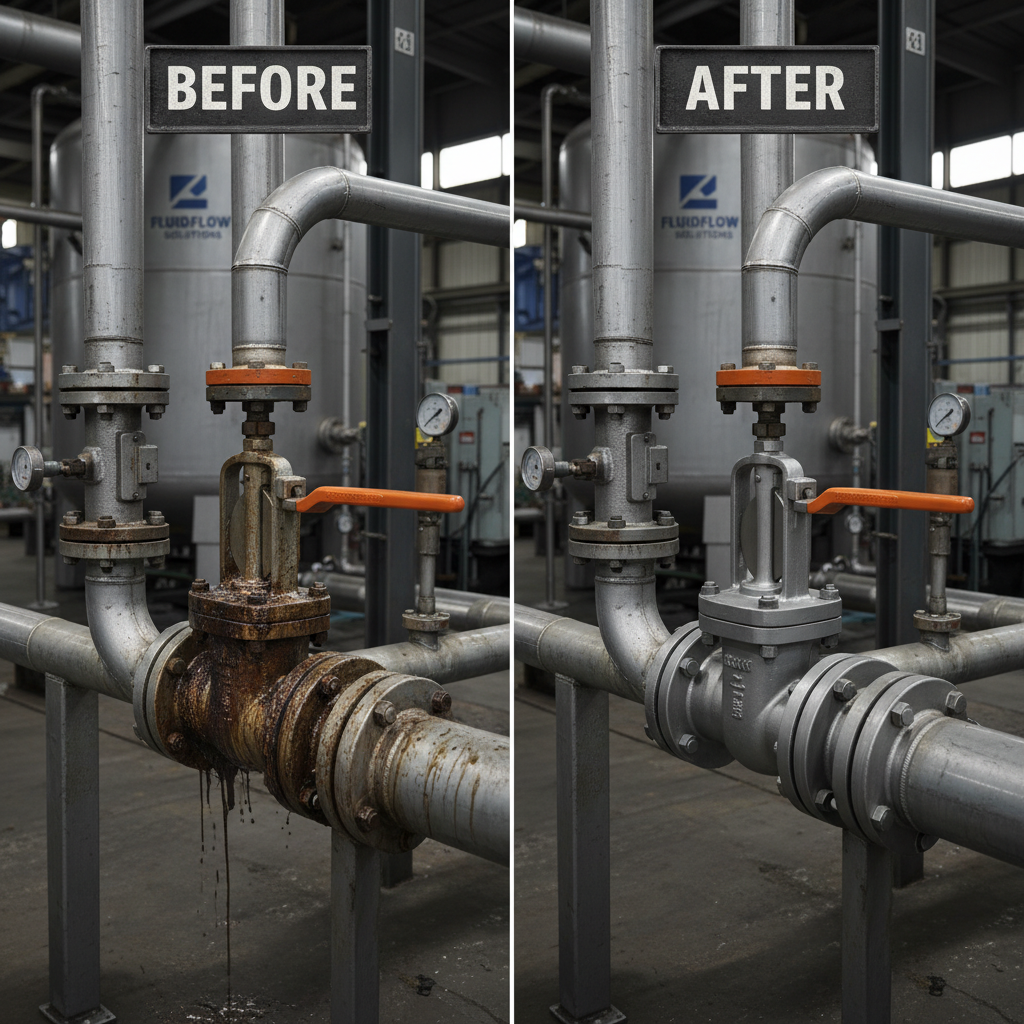
Cost efficiency is realized not just in the initial purchase price, but in the reduced maintenance requirements. Because the 1.5 butterfly valve has fewer moving parts than a globe or gate valve, the risk of mechanical failure is lower, leading to a significantly lower Total Cost of Ownership (TCO).
Global Applications and Use Cases
The 1.5 butterfly valve finds extensive use in the food and beverage industry, where sanitary standards are paramount. In these environments, polished stainless steel versions are used to prevent bacterial growth while ensuring that the flow of ingredients is precisely controlled during the mixing and bottling processes.
In remote industrial zones, such as mining operations in Australia or oil fields in the Middle East, these valves are deployed in cooling water loops. Their ability to handle high flow rates with minimal pressure loss ensures that heavy machinery remains cooled and operational even in extreme ambient temperatures.
Performance Metrics of 1.5 Butterfly Valve Variations
Long-Term Value and Operational Advantages
The long-term value of integrating a 1.5 butterfly valve lies in its inherent reliability and safety. By reducing the number of leak paths compared to multi-piece valves, it enhances the safety of the operators and protects the surrounding environment from hazardous leaks.
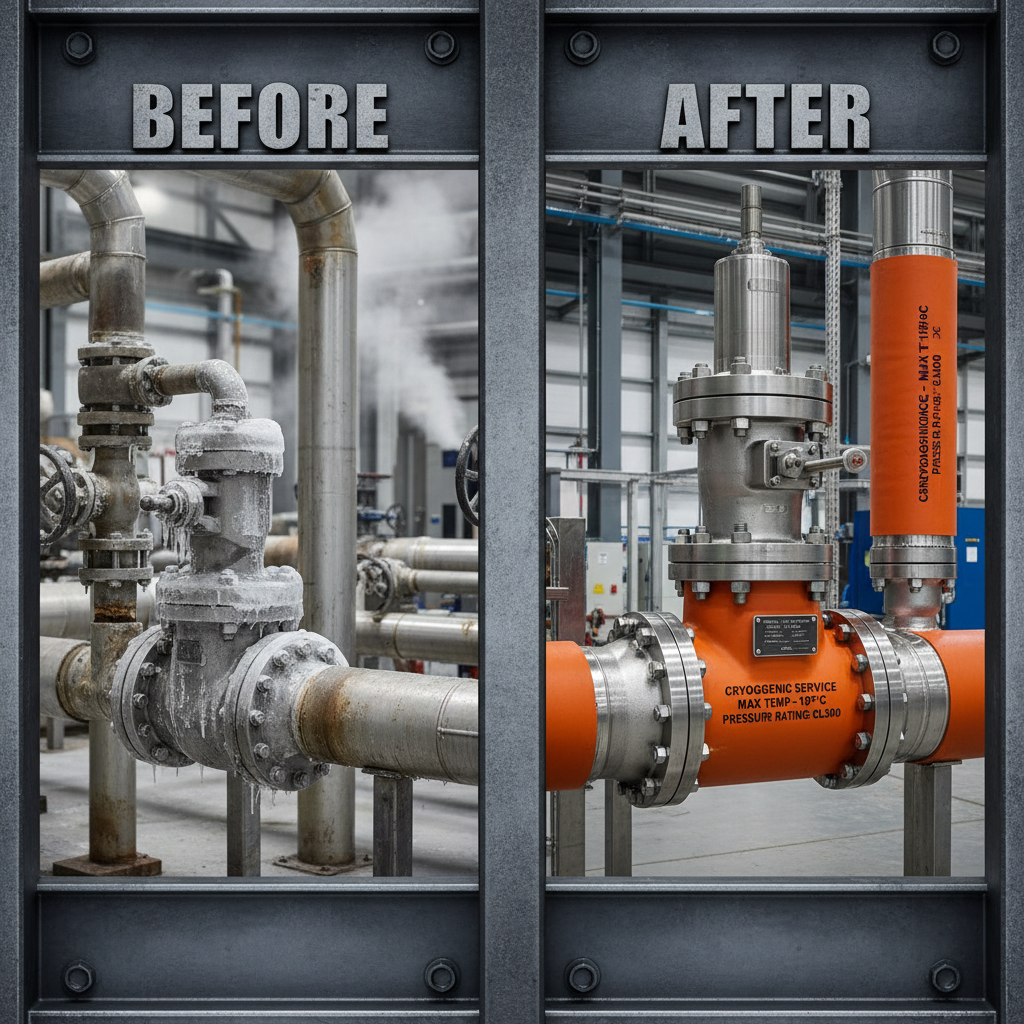
From a logical perspective, the compact face-to-face dimensions allow for easier retrofitting in existing plants. Emotionally, this provides peace of mind to plant managers, knowing that they can upgrade their systems for better efficiency without having to tear down and rebuild entire piping sections.
Future Trends in Valve Automation
The digital transformation of the manufacturing sector is bringing "Smart Valves" into the spotlight. Future iterations of the 1.5 butterfly valve will likely feature embedded IoT sensors that monitor wear and tear in real-time, alerting maintenance crews via cloud platforms before a failure occurs.
Sustainability is also driving the adoption of new seal materials. We are seeing a shift toward biodegradable elastomers and advanced ceramics that reduce friction and extend the valve's life cycle, aligning the 1.5 butterfly valve with global green energy goals.
Automation through AI-driven actuators will allow these valves to adjust their position dynamically based on flow demand, optimizing energy use in HVAC systems and industrial cooling towers, thereby reducing the carbon footprint of large-scale facilities.
Overcoming Common Implementation Challenges
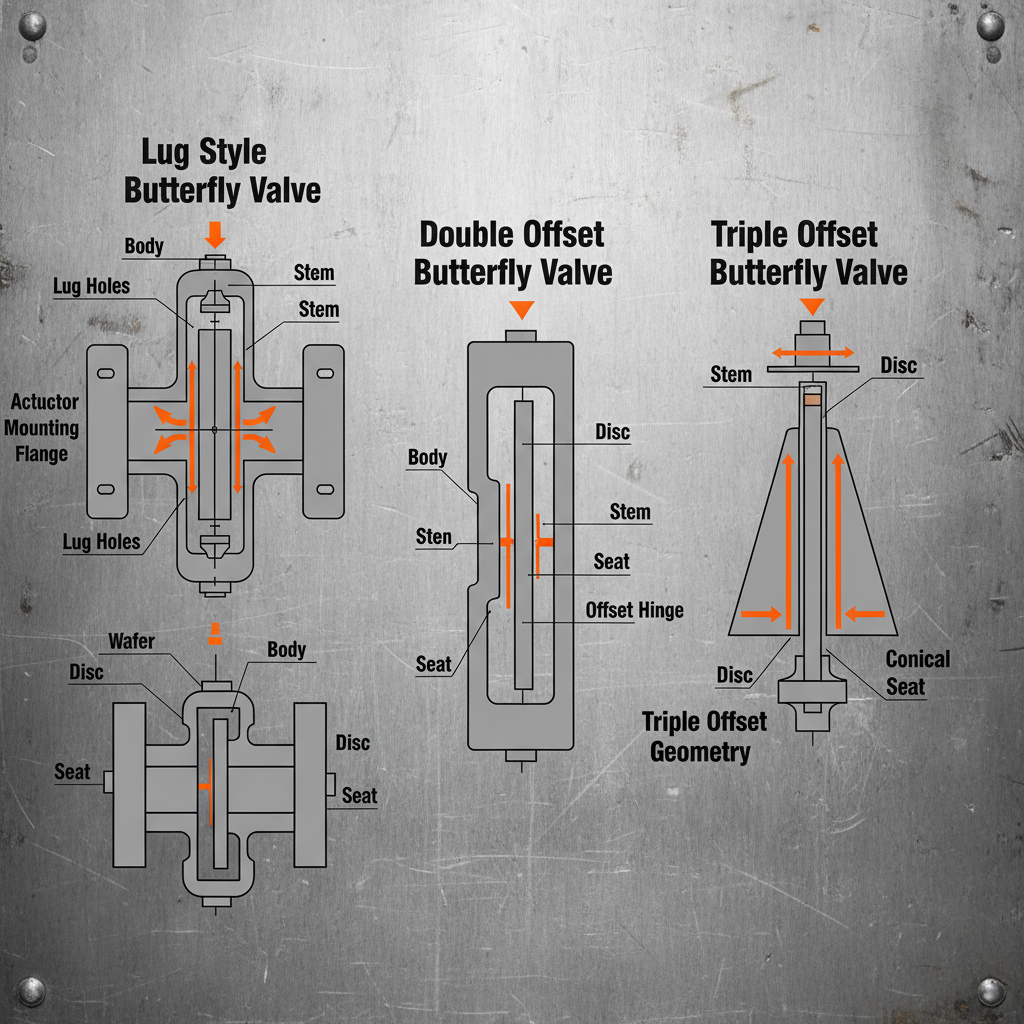
One common limitation is the potential for "seat leakage" in high-pressure applications. To solve this, engineers are increasingly turning to double-offset or triple-offset 1.5 butterfly valve designs, which ensure a tighter seal by reducing the friction between the disc and the seat during operation.
Another challenge is the buildup of debris in the valve body, which can prevent a full closure. The solution lies in the implementation of streamlined interior geometries and the use of self-cleaning seat materials that resist accumulation, ensuring consistent performance over time.
Finally, improper installation often leads to premature failure. By providing comprehensive digital installation guides and using standardized flange interfaces, manufacturers are ensuring that the 1.5 butterfly valve is seated perfectly, eliminating stress concentrations in the piping.
Comparative Analysis of 1.5 Butterfly Valve Implementation Strategies
|
Strategy Type
|
Installation Complexity
|
Seal Reliability
|
Maintenance Interval
|
| Wafer Mount |
Low |
Moderate |
6-12 Months |
| Lug Style |
Medium |
High |
12-24 Months |
| Pneumatic Auto |
High |
Very High |
24-36 Months |
| Manual Lever |
Very Low |
Moderate |
6-18 Months |
| Double Offset |
Medium |
Excellent |
36+ Months |
| Ceramic Lined |
Medium |
High |
48+ Months |
FAQS
The main advantage is the compact design and lower cost. A 1.5 butterfly valve is typically lighter and takes up significantly less space in the pipeline than a ball valve of the same size. Additionally, it offers a lower pressure drop across the valve when fully open, which improves system energy efficiency.
Maintenance intervals vary by application. In clean water systems, an annual inspection of the seat and seals is usually sufficient. However, in corrosive chemical environments, we recommend a quarterly check for erosion or pitting to ensure the valve continues to provide a bubble-tight seal.
Yes, butterfly valves are capable of throttling; however, they are not as precise as globe valves. For moderate flow regulation, a 1.5 butterfly valve works well, but for high-precision metering, an automated actuator with a positioner is recommended to avoid cavitation and turbulence.
For food and pharmaceutical applications, Grade 316 Stainless Steel is the industry standard. It provides excellent corrosion resistance and is easy to sanitize. Combined with FDA-approved EPDM or PTFE seats, it ensures no contamination of the processed fluids.
Generally, yes. Most modern designs allow for the seat to be replaced without removing the entire valve body from the pipeline, especially in lug-style configurations. This reduces downtime significantly during routine maintenance cycles.
Choose a wafer type if you are looking for the lowest cost and the valve is sandwiched between two flanges. Choose a lug type if you need "dead-end" service capability, meaning the piping on one side of the valve can be disconnected while the valve remains bolted to the system.
Conclusion
In summary, the 1.5 butterfly valve is an essential engineering solution that balances space efficiency, cost, and reliability. From its critical role in global infrastructure and humanitarian aid to its application in high-tech automated factories, it remains a cornerstone of fluid control. By focusing on material quality and proper selection—whether wafer or lug style—industries can ensure long-term operational stability and safety.
Looking forward, the integration of IoT and sustainable materials will further elevate the capabilities of these valves, turning them from passive components into intelligent assets. We encourage plant managers and engineers to audit their current valve configurations and consider upgrading to high-performance butterfly valves to reduce TCO and improve environmental compliance. For premium valve solutions, visit our website: www.savvyvalvetech.com




 English