Understanding gate valve price is crucial in numerous industries, impacting project budgets, operational efficiency, and long-term cost-effectiveness. The global market for valves is substantial, driven by infrastructure development, oil and gas exploration, water treatment, and power generation. Accurately assessing gate valve price, considering factors like material, size, pressure rating, and manufacturer, is therefore paramount for engineers, procurement managers, and project stakeholders. The cost of these valves can significantly influence the overall profitability and viability of industrial projects.
Fluctuations in raw material costs, such as steel and iron, directly affect gate valve price. Global economic conditions, supply chain disruptions, and geopolitical events can all contribute to price volatility. Furthermore, the increasing demand for specialized valves, designed for harsh environments or specific applications, often commands a premium. Failing to account for these factors can lead to budget overruns and project delays, highlighting the importance of informed decision-making when procuring gate valves.
Ultimately, a thorough understanding of gate valve price enables optimized procurement strategies, ensuring projects remain within budget and meet performance requirements. Investing in quality valves, even at a higher initial cost, can yield substantial long-term savings through reduced maintenance, extended lifespan, and improved operational reliability. This is particularly critical in industries where downtime is costly and safety is paramount.
The Significance of Gate Valve Price
The significance of gate valve price extends far beyond a simple line item in a budget. It represents a key indicator of overall project cost and potential return on investment. Understanding the various factors that contribute to the final price – from material selection and manufacturing processes to transportation and vendor markups – allows for more informed purchasing decisions and effective cost control. gate valve price is directly related to long-term operational costs.
Moreover, the price of a gate valve often reflects its quality and reliability. Choosing a lower-priced valve may seem appealing in the short term, but can lead to premature failure, costly repairs, and potential safety hazards. Investing in a higher-quality valve with a justifiable gate valve price ultimately translates to reduced downtime, increased efficiency, and a longer service life, resulting in significant savings over the valve's operational lifespan.
Defining Gate Valve Price
Gate valve price refers to the total cost associated with acquiring a gate valve, encompassing not only the manufacturer's price but also associated expenses such as shipping, handling, import duties (if applicable), and any value-added services like testing or certification. A comprehensive definition of gate valve price also considers the lifecycle cost, including maintenance, repair, and potential replacement expenses.
In modern industry, accurate gate valve price determination is essential for accurate project costing and profitability analysis. The availability of online marketplaces and competitive bidding platforms has increased transparency in pricing, allowing buyers to compare quotes from multiple vendors. However, it’s crucial to assess the specifications and quality of each valve to ensure fair comparison.
The impact of gate valve price extends to humanitarian needs as well. In water and sanitation projects, selecting cost-effective yet reliable valves is vital for providing access to clean water in underserved communities. A well-managed gate valve price strategy can optimize resource allocation and maximize the impact of these initiatives.
Core Components Influencing Gate Valve Price
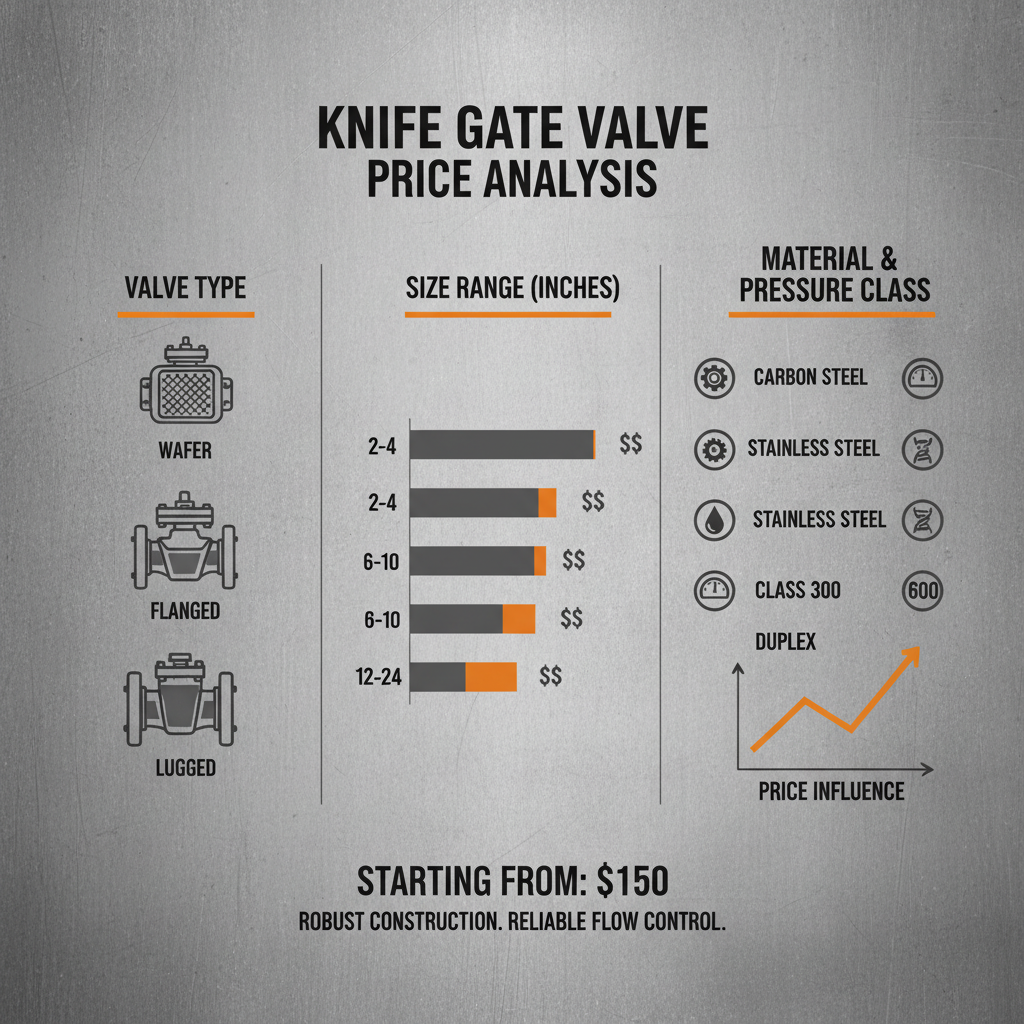
Several core components significantly impact the final gate valve price. Material selection is paramount, with stainless steel, cast iron, and bronze being common choices, each offering varying levels of corrosion resistance, pressure handling capabilities, and cost. The valve's size (diameter and length) directly correlates with material usage and manufacturing complexity, thereby influencing price.
Pressure rating, indicating the maximum pressure the valve can withstand, also plays a crucial role. Higher pressure ratings require more robust construction and specialized materials, leading to increased gate valve price. Additionally, the type of end connection (e.g., flanged, threaded, welded) impacts both the manufacturing cost and installation expenses, adding to the overall price.
Finally, the manufacturer's reputation, quality control processes, and certifications all contribute to the gate valve price. Established manufacturers with a track record of reliability often command a premium, reflecting their commitment to quality and customer satisfaction.
Gate Valve Price and Material Composition
The material composition of a gate valve is a primary driver of its price. Carbon steel valves generally represent the most economical option, suitable for non-corrosive applications. However, for environments with corrosive fluids or gases, stainless steel valves are essential, though they come at a higher gate valve price. Different grades of stainless steel (e.g., 304, 316) further influence the cost, with higher alloy content providing greater corrosion resistance but increasing the price.
Bronze valves, known for their excellent corrosion resistance and durability, are often used in marine applications and potable water systems. While relatively expensive, their longevity and low maintenance requirements can offset the initial higher gate valve price. Understanding the specific application and the potential for corrosion is key to selecting the appropriate material and optimizing the overall cost-benefit ratio.
Gate Valve Price Comparison by Material
Global Applications and Gate Valve Price
Gate valves find application in a diverse range of industries globally. In the oil and gas sector, large-diameter gate valves are essential for pipeline operations, demanding robust construction and high pressure ratings, which directly impact gate valve price. The water treatment industry relies on gate valves for flow control in purification systems and distribution networks, with price considerations often balanced against corrosion resistance and regulatory compliance.
Power generation plants utilize gate valves in cooling water systems and steam lines, requiring reliable performance and adherence to stringent safety standards. In remote industrial zones, the logistical costs associated with transporting valves can significantly add to the overall gate valve price. In post-disaster relief operations, rapid deployment of functional gate valves is critical for restoring water supplies, highlighting the need for readily available and affordable options.
Advantages of Optimized Gate Valve Price Management
Optimized gate valve price management provides numerous advantages. Reduced procurement costs free up capital for other critical project components. Enhanced predictability in project budgets minimizes the risk of cost overruns. A strategic approach to gate valve price also fosters stronger relationships with suppliers, potentially leading to preferential pricing and faster delivery times.
Beyond cost savings, effective gate valve price management contributes to improved project quality and reliability. Selecting valves that meet or exceed performance requirements minimizes the risk of failures and downtime, enhancing overall operational efficiency. Ultimately, a well-managed gate valve price strategy translates to increased profitability and a stronger competitive position.
Future Trends and Gate Valve Price Forecasting
Several emerging trends are poised to influence future gate valve price. The increasing adoption of digital technologies, such as 3D printing and automated manufacturing, has the potential to reduce production costs and lead to more competitive pricing. The growing demand for sustainable materials and eco-friendly manufacturing processes is also driving innovation and potentially influencing gate valve price.
The shift towards smart valves, equipped with sensors and communication capabilities, is adding functionality and value, but may also increase the initial gate valve price. Furthermore, evolving regulatory standards related to energy efficiency and environmental protection could necessitate the use of specialized valves, impacting pricing structures. Accurate gate valve price forecasting will require continuous monitoring of these technological advancements and market dynamics.
The integration of AI-powered predictive maintenance systems can also indirectly affect the long-term cost of gate valves. While the initial investment might be higher, identifying potential issues before they escalate can significantly reduce maintenance expenses and extend the valve's operational life, making it a worthwhile investment.
Analysis of Key Factors Affecting Future Gate Valve Price
| Technology Advancement |
Material Innovation |
Regulatory Impact |
Supply Chain Dynamics |
| Automation and 3D printing |
Sustainable Alloy Development |
Energy Efficiency Standards |
Geopolitical Stability |
| Digital Twin Technology |
Corrosion-Resistant Polymers |
Environmental Regulations |
Raw Material Availability |
| Predictive Maintenance Systems |
Bio-Based Valve Components |
Water Quality Standards |
Global Trade Policies |
| Smart Valve Integration |
Self-Healing Materials |
Safety Regulations |
Regional Manufacturing Shifts |
| Remote Monitoring Capabilities |
Recycled Material Usage |
Emissions Control Standards |
Logistics and Transportation Costs |
| AI-Powered Optimization |
Nanomaterial Enhancement |
Waste Management Policies |
Inventory Management Practices |
FAQS
Several key factors drive gate valve price volatility. Raw material costs (steel, iron, bronze) are primary, influenced by global demand and supply. Manufacturing complexity, order volume, and geographical location also play a role. Unexpected disruptions in the supply chain, such as shipping delays or factory closures, can lead to temporary price increases. Finally, changes in currency exchange rates and tariffs can also affect the final price.
When comparing quotes, ensure you're evaluating valves with identical specifications – material, size, pressure rating, end connections, and standards compliance. Don't solely focus on the initial price; consider total cost of ownership, including shipping, taxes, warranty, and potential maintenance expenses. Request detailed breakdowns of the quote and verify the vendor’s reputation and quality control processes.
Not necessarily. While cost is important, prioritizing the lowest gate valve price can lead to compromised quality and reliability. A cheaper valve may be made from inferior materials, lack proper certifications, or have a shorter lifespan, resulting in increased maintenance costs or premature failure. Focus on finding a balance between price and quality to ensure long-term value.
Material certifications, such as those verifying compliance with ASTM or API standards, demonstrate that the valve’s materials meet specified quality and performance requirements. Valves with complete and traceable material certifications typically command a higher gate valve price due to the added testing and documentation costs. However, these certifications are often essential for critical applications, providing assurance of safety and reliability.
Valve automation, incorporating actuators and control systems, adds to the initial gate valve price. However, it can significantly reduce labor costs associated with manual operation and improve process efficiency. Automated valves can also enhance safety and precision, particularly in applications requiring remote control or precise flow regulation. Weigh the initial investment against the long-term benefits when considering automation.
To mitigate price risks, consider long-term contracts with suppliers, bulk purchasing to leverage volume discounts, and diversifying your supplier base. Staying informed about market trends, geopolitical events, and raw material price fluctuations is crucial. Implementing a robust procurement strategy that prioritizes value and quality can also help minimize the impact of price volatility.
Conclusion
Understanding gate valve price is not merely about finding the lowest cost; it's about optimizing the entire lifecycle value. Factors like material selection, manufacturing quality, application requirements, and market dynamics all play a crucial role. A strategic approach to gate valve price management, encompassing thorough research, careful vendor selection, and a focus on long-term reliability, is essential for successful project outcomes.
Looking ahead, embracing digital technologies, promoting sustainable practices, and fostering strong supplier relationships will be key to navigating the evolving landscape of gate valve pricing. Prioritizing innovation and anticipating future trends will empower organizations to make informed decisions, minimize costs, and maximize the return on investment in these critical components.





 English