
Diaphragm Valve Manufacturers: A Comprehensive Guide
In the realm of industrial fluid control, diaphragm valves stand out for their reliability, versatility, and ability to handle corrosive media. Selecting the right manufacturer is critical to ensure optimal performance and longevity. This article will delve into the key considerations when choosing diaphragm valve manufacturers, covering factors such as materials, design, applications, and quality control. We will also explore the benefits of partnering with a leading supplier like Savvy Valve Tech for your specific fluid handling needs.
What are Diaphragm Valves and Why Choose Them?
Diaphragm valves are a type of valve that uses a flexible diaphragm to control fluid flow. Unlike traditional valves with moving parts in the flow path, diaphragm valves isolate the fluid from the valve body, preventing contamination and ensuring a leak-tight seal. This makes them ideal for handling aggressive, abrasive, or sanitary fluids. Their simple design, minimal maintenance requirements, and broad chemical compatibility make them a popular choice across numerous industries. The key benefits include excellent corrosion resistance, precise flow control, and suitability for hygienic applications.
Key Highlights: Excellent corrosion resistance, precise flow control, and suitability for hygienic applications.
Key Considerations When Selecting Diaphragm Valve Manufacturers
Choosing the right diaphragm valve manufacturer requires careful evaluation. Consider the following factors: material options (e.g., PTFE, EPDM, FKM), valve size and connection types, pressure and temperature ratings, and certifications (e.g., ISO 9001). A reputable manufacturer will offer a wide range of materials to suit diverse applications and will provide detailed product specifications and testing reports. Look for manufacturers with experience in your specific industry and a commitment to quality control. Savvy Valve Tech, for example, specializes in custom diaphragm valve solutions tailored to the unique needs of its clients.
Essential Manufacturer Attributes:
• Wide range of materials and configurations.
• Detailed product specifications and testing data.
• Industry-specific expertise.
• Robust quality control processes.
Diaphragm Valve Materials: A Comparative Analysis
The diaphragm material is critical for ensuring compatibility with the fluid being handled. Common materials include PTFE (Teflon), EPDM, FKM (Viton), and chlorobutyl. Each material offers different chemical resistance, temperature ranges, and mechanical properties. PTFE excels in highly corrosive environments, while EPDM provides excellent resistance to water and steam. FKM offers broad chemical compatibility and high-temperature resistance. Selecting the right material is crucial for preventing valve failure and ensuring long-term reliability.
Applications of Diaphragm Valves Across Industries
Diaphragm valves find extensive use in a variety of industries, including chemical processing, pharmaceutical manufacturing, food and beverage, water and wastewater treatment, and oil and gas. Their ability to handle corrosive media, maintain hygiene, and provide tight shut-off makes them indispensable in critical applications. In the pharmaceutical industry, they ensure product purity; in water treatment, they control chemical dosing; and in oil and gas, they manage aggressive fluids safely and efficiently.
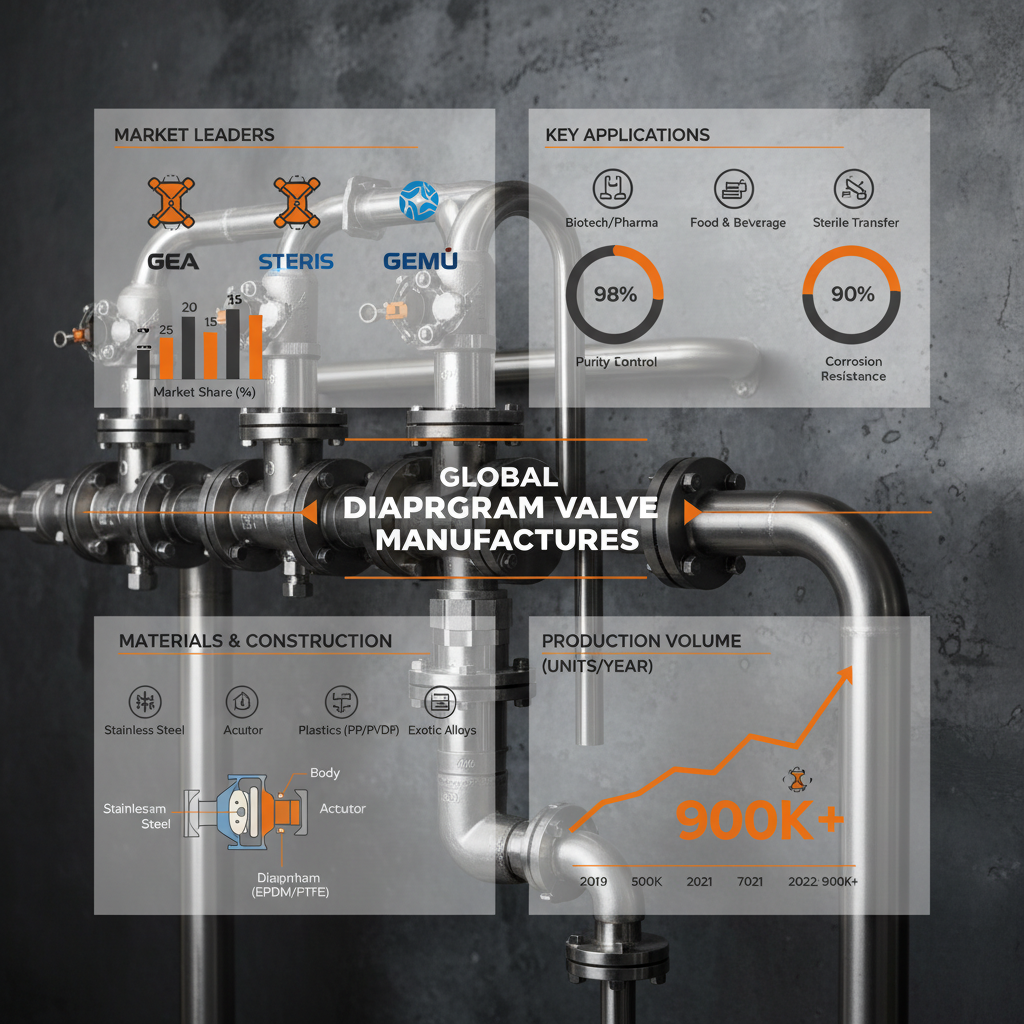
Why Choose Savvy Valve Tech as Your Diaphragm Valve Manufacturer?
Savvy Valve Tech stands out as a leading provider of high-quality diaphragm valves. We specialize in custom designs and offer a comprehensive range of materials and configurations to meet your specific application requirements. Our commitment to quality control, coupled with our experienced engineering team, ensures that our valves deliver reliable performance and long-term durability. We prioritize customer satisfaction and provide responsive technical support. Partner with Savvy Valve Tech for innovative and reliable fluid control solutions.
Conclusion: Partnering for Fluid Control Success
Choosing the right diaphragm valve manufacturer is a crucial decision for optimizing your fluid handling systems. Savvy Valve Tech provides the expertise, quality, and customization options needed to achieve superior performance and reliability. Contact us today to discuss your specific needs and discover how we can help you succeed.
Frequently Asked Questions (FAQs)
What is the typical lifespan of a diaphragm valve?
The lifespan of a diaphragm valve varies depending on the application, fluid type, pressure, and temperature. However, a properly maintained diaphragm valve can typically last between 2 to 5 years. Regular inspection of the diaphragm for signs of wear, cracking, or chemical attack is crucial. Replacing the diaphragm proactively can significantly extend the valve's overall life. Factors such as abrasive particles in the fluid stream can shorten the lifespan, requiring more frequent diaphragm replacements. Choosing the correct diaphragm material for the fluid is also key to maximizing lifespan.
What industries commonly use diaphragm valves?
Diaphragm valves are widely used across diverse industries including chemical processing, pharmaceuticals, food and beverage, water and wastewater treatment, oil and gas, and pulp and paper. Their ability to handle corrosive fluids, maintain hygiene, and provide reliable shut-off makes them ideal for a broad range of applications. They are particularly favored in industries where contamination prevention and process purity are critical, such as pharmaceutical and food processing.
Are diaphragm valves suitable for high-pressure applications?
While diaphragm valves are known for their tight shut-off and versatility, they are generally not the best choice for extremely high-pressure applications. The pressure rating of a diaphragm valve is limited by the diaphragm material and the valve body design. However, many diaphragm valves are available with pressure ratings suitable for moderate to high-pressure systems. Savvy Valve Tech offers diaphragm valves specifically designed for higher pressure applications, using reinforced diaphragms and robust body materials.


 English