
Finding the Right Gate Valve Supplier
In the world of fluid control, gate valves are critical components across numerous industries. Selecting a reliable gate valve supplier is paramount to ensuring operational efficiency, safety, and longevity of your systems. This article provides a comprehensive guide to navigating the selection process, focusing on key factors, industry standards, and why Savvy Valve Tech stands out as a leading choice. Understanding the intricacies of gate valves and supplier capabilities is vital for making informed decisions and avoiding costly downtime.
What is a Gate Valve and Why Choose Them?
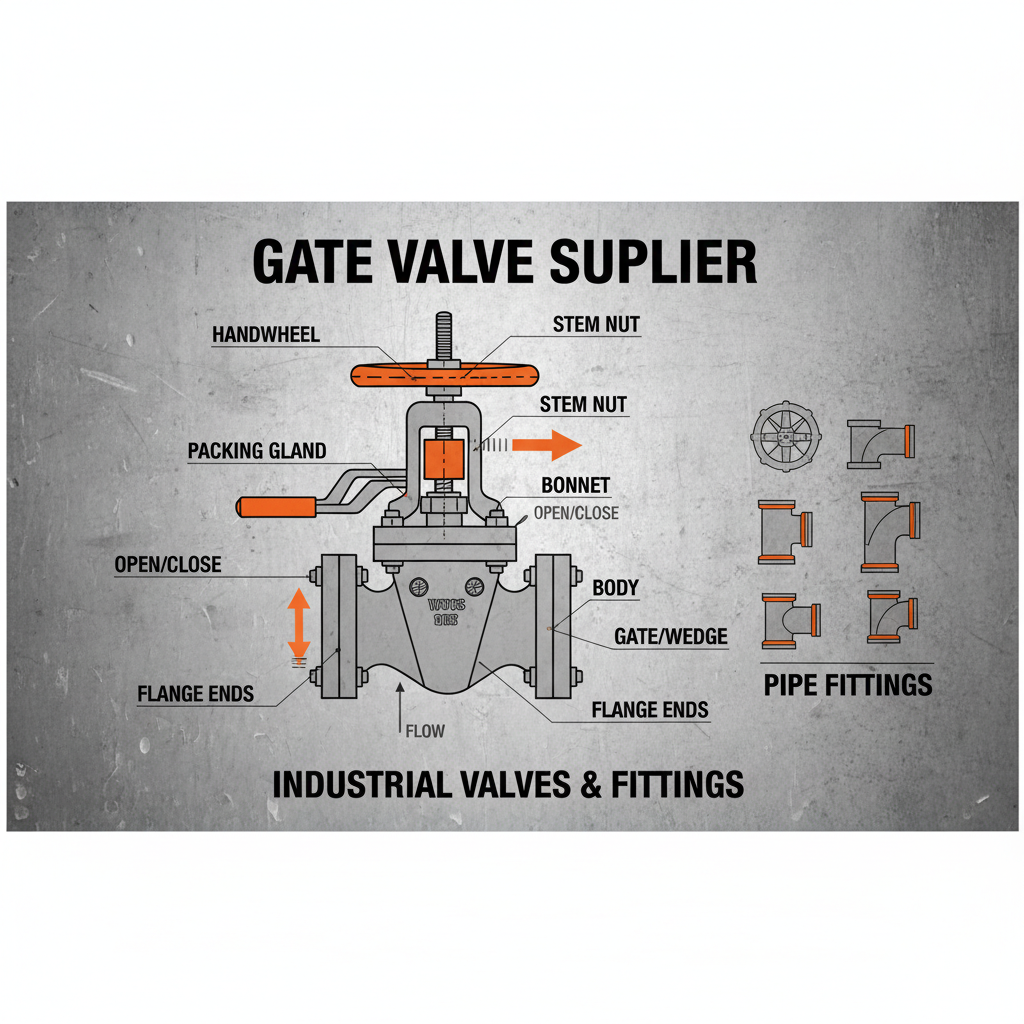
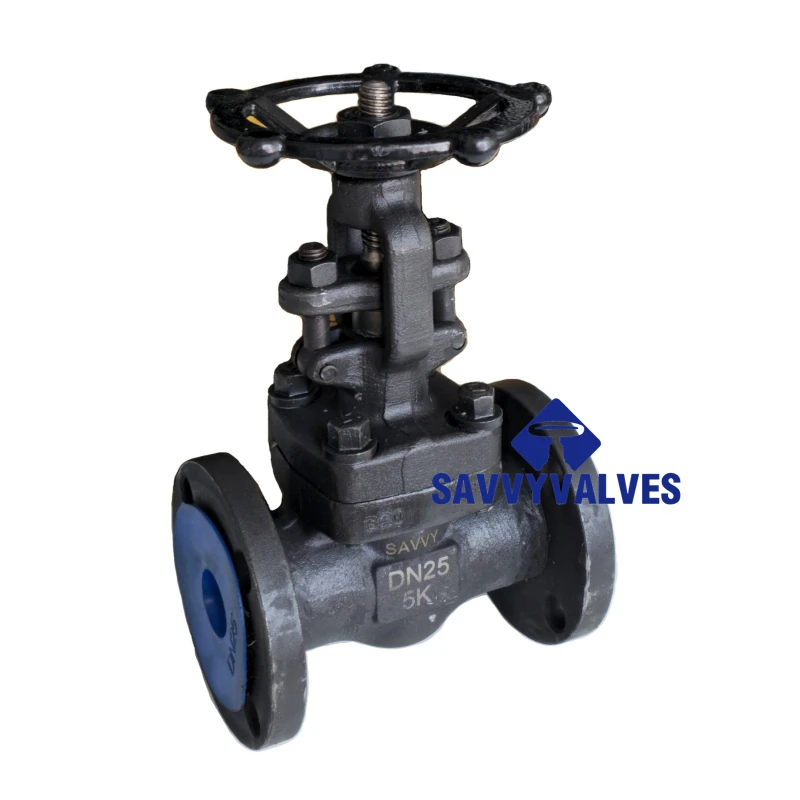
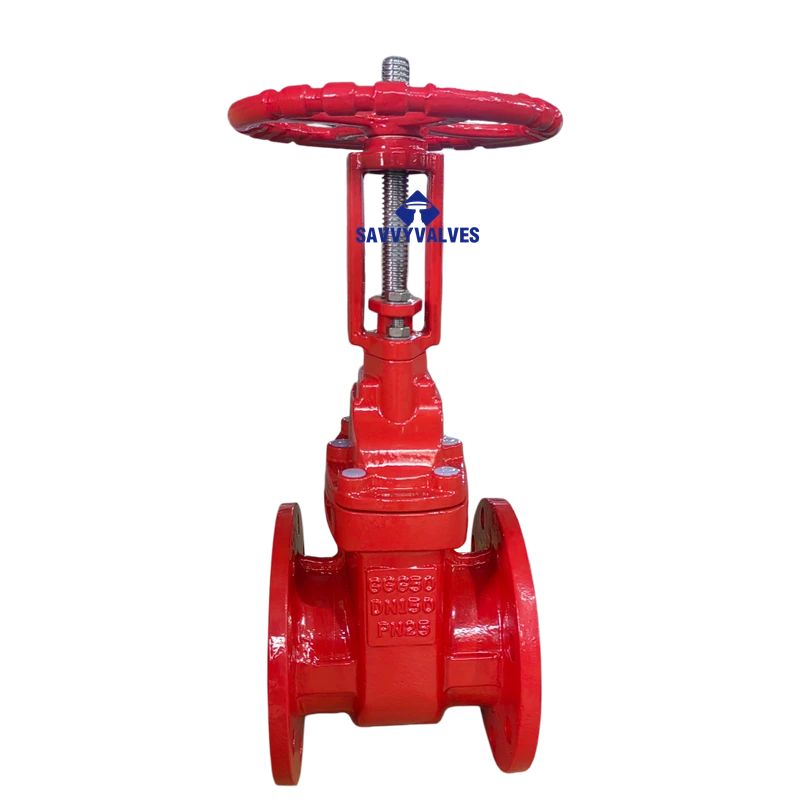
Gate valves are linear motion valves used to start and stop the flow of fluids. Their design utilizes a gate that slides into and out of the flow path. They are preferred for applications requiring minimal flow restriction when fully open, making them ideal for systems where pressure drop needs to be minimized. Common applications include oil and gas, water treatment, chemical processing, and power generation. They are generally not suitable for regulating flow, as partial opening can cause erosion of the gate and seat. Choosing the right gate valve is essential for ensuring optimal system performance and preventing leaks or failures.
Key Benefits of Gate Valves: Low pressure drop, tight shut-off, relatively simple construction, and suitable for a wide range of fluids.
Key Considerations When Selecting a Gate Valve Supplier
Choosing the right supplier isn't just about price; it's about ensuring quality, reliability, and responsive support. Several key factors should influence your decision. First, assess their product range – do they offer the specific types, materials, and sizes you require? Second, verify their adherence to industry standards such as ANSI, API, and DIN. Third, evaluate their quality control processes and certifications. A reputable gate valve supplier will provide detailed material test reports (MTRs) and pressure testing documentation. Finally, consider their lead times, shipping capabilities, and after-sales service.
Essential Supplier Attributes:
• Extensive Product Range
• Compliance with Industry Standards
• Robust Quality Control
• Responsive Customer Support
Gate Valve Materials: A Comparison
The material of a gate valve is critical for its performance and longevity. Common materials include cast iron, stainless steel (304, 316), carbon steel, and alloy steel. The choice depends on the fluid being handled, temperature, pressure, and corrosion resistance requirements. For instance, stainless steel is preferred for corrosive fluids, while carbon steel is often suitable for water applications. Understanding the properties of each material is vital for selecting the correct valve for your specific needs. The following table provides a comparison of common materials:
Why Choose Savvy Valve Tech as Your Gate Valve Supplier?
Savvy Valve Tech is a leading provider of high-quality gate valves, committed to delivering superior products and exceptional service. We offer a comprehensive range of gate valves in various materials, sizes, and pressure ratings to meet diverse application requirements. Our valves are manufactured to rigorous industry standards and undergo stringent quality control testing. We pride ourselves on our responsive customer support, competitive pricing, and on-time delivery. Partnering with us ensures you receive reliable valves and a seamless procurement experience.
Industry Standards and Certifications
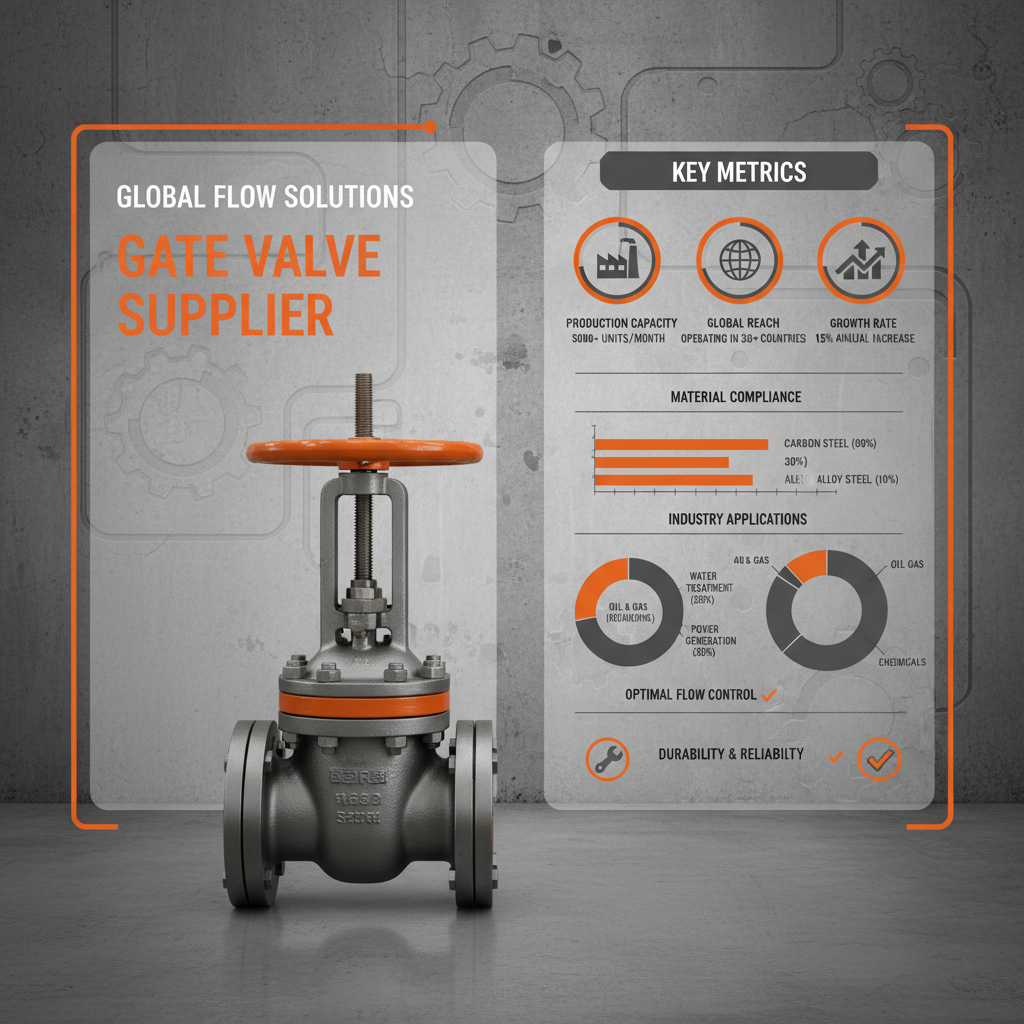
Compliance with industry standards is non-negotiable when it comes to gate valves. Key standards include ANSI/API 598 (Valve Inspection and Testing), ANSI/API 600 (Bolted Bonnet Steel Gate Valves), and various DIN standards. A reputable supplier like Savvy Valve Tech provides valves that meet or exceed these standards, along with relevant certifications to demonstrate quality and safety. These certifications ensure traceability, reliability, and adherence to best practices.
Conclusion: Partnering for Fluid Control Success
Choosing the right gate valve supplier is a critical decision that impacts the performance, safety, and reliability of your systems. Savvy Valve Tech offers a comprehensive range of high-quality valves, backed by exceptional service and a commitment to industry standards. Invest in a partnership that delivers lasting value and peace of mind.
Frequently Asked Questions (FAQs)
What is the typical lead time for a gate valve order?
Lead times vary depending on the valve type, size, material, and quantity. Standard valves in common materials often have a lead time of 2-4 weeks. For custom valves or larger orders, lead times can extend to 6-8 weeks. Savvy Valve Tech provides accurate lead time estimates upfront and strives to expedite deliveries whenever possible. We also maintain a stock of popular valve sizes for quick shipment.
Do you offer customization options for gate valves?
Yes, Savvy Valve Tech offers a range of customization options to meet specific application requirements. These include customized materials, dimensions, end connections, and actuator integration. We work closely with our clients to understand their needs and provide tailored valve solutions. Our engineering team can assist with design modifications and material selection to ensure optimal performance.
What quality control measures do you employ?
We employ a rigorous quality control system throughout the manufacturing process. This includes material verification, dimensional inspections, pressure testing (hydrostatic and pneumatic), and non-destructive testing (NDT) methods such as radiography and ultrasonic testing. All valves are inspected and certified to meet relevant industry standards. We provide detailed Material Test Reports (MTRs) and pressure testing documentation with every shipment.
What types of end connections do you offer?
We offer a wide variety of end connections, including threaded (NPT, BSP), flanged (ANSI, DIN), welded (butt-weld, socket-weld), and socket weld. The appropriate end connection depends on the application and piping system. Our experienced team can help you select the best end connection for your needs.


 English