
Finding Reliable Cryogenic Valves Suppliers
Cryogenic applications demand specialized valves engineered to withstand extremely low temperatures. Selecting the right cryogenic valves suppliers is critical for ensuring the safe and efficient operation of your systems. This article will explore the key considerations when sourcing cryogenic valves, the types available, quality standards, and why Savvy Valve Tech stands out as a trusted partner. Investing in quality cryogenic valves minimizes risk, reduces downtime, and optimizes performance in demanding applications.
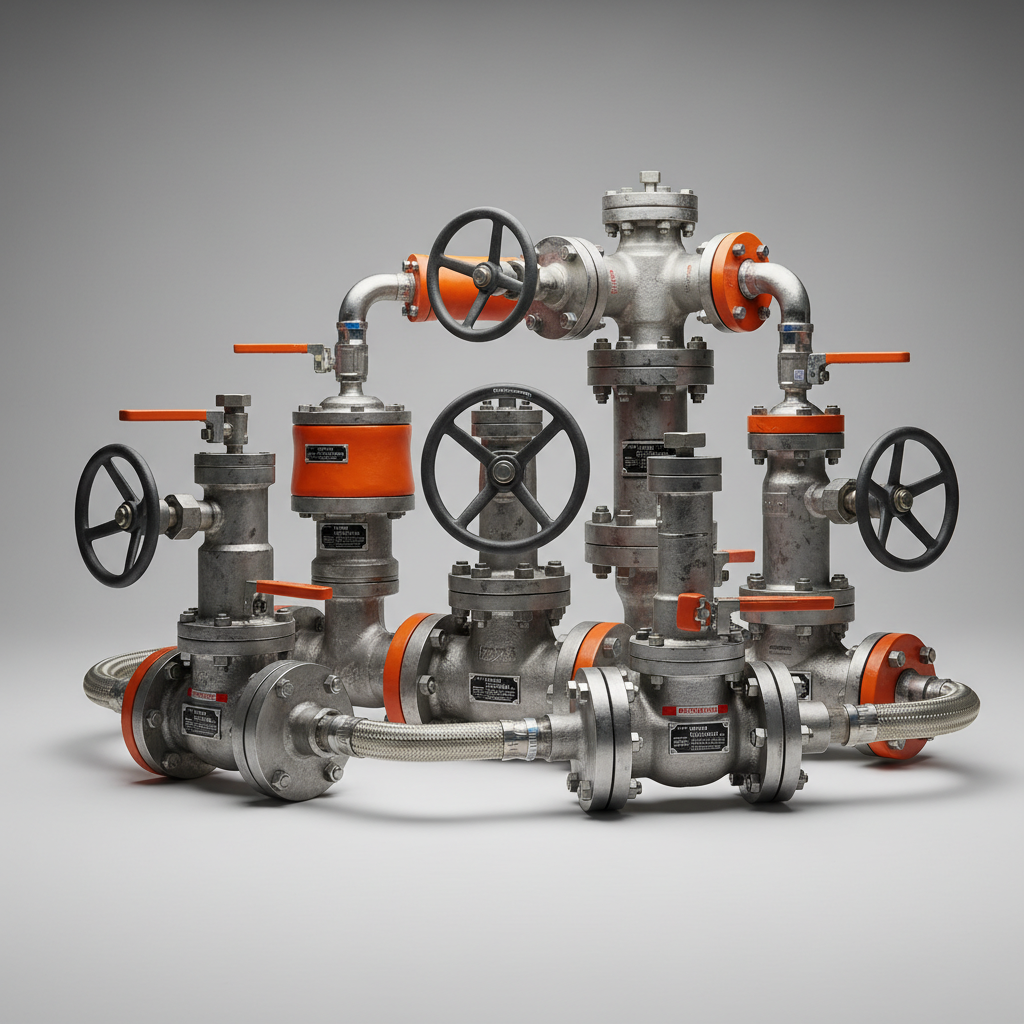
Understanding Cryogenic Valve Requirements
Cryogenic valves operate at temperatures below -150°C (-238°F), often dealing with liquefied gases such as nitrogen, oxygen, argon, and helium. Materials are paramount; standard metals become brittle at these temperatures. Therefore, cryogenic valves are typically constructed from stainless steel (304, 316L), Monel, or other specialized alloys that retain their ductility and strength. Valve designs must also account for thermal contraction, minimizing leakage and ensuring reliable sealing. Proper insulation and extended bonnets are also vital to keep the valve stem and actuator warm, preventing ice formation and operational issues. The choice of seals and packing materials is equally important, with PTFE, PEEK, and other low-temperature polymers favored for their performance.
Key Considerations: Material selection, thermal contraction management, sealing integrity, insulation quality, and compatibility with the specific cryogenic fluid.
Types of Cryogenic Valves
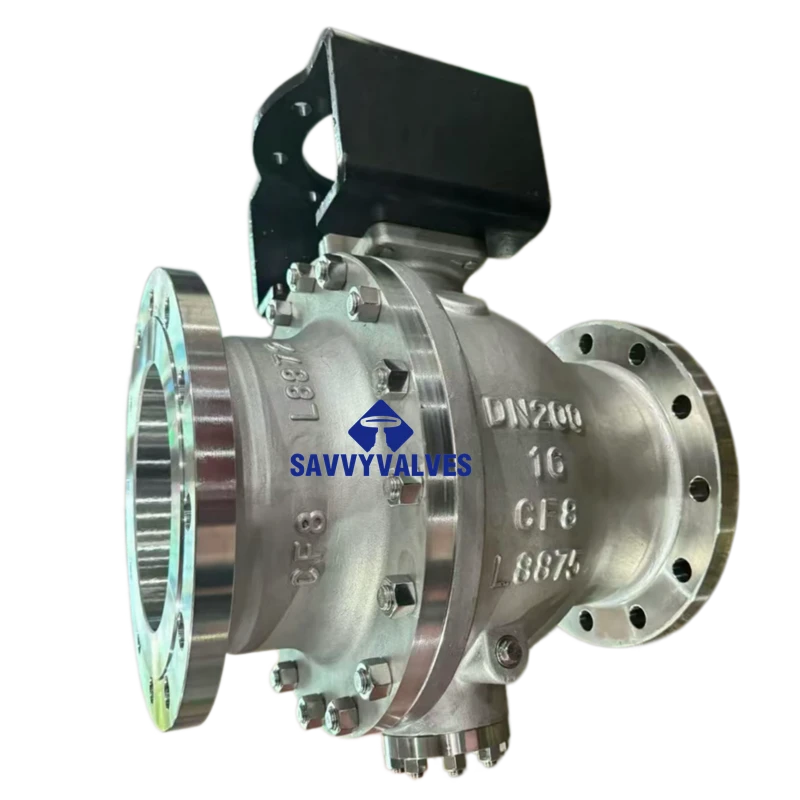
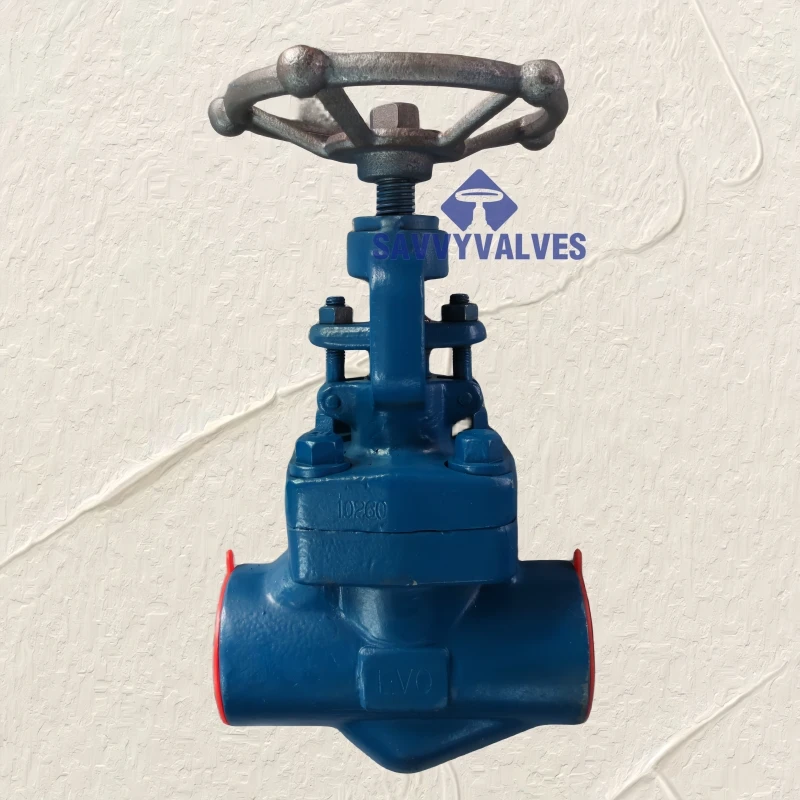
Several valve types are commonly used in cryogenic systems, each suited to different applications. Ball valves offer quick shut-off and minimal pressure drop. Gate valves are suitable for on/off service where frequent operation isn’t required. Globe valves provide precise flow control but introduce higher pressure losses. Butterfly valves are lightweight and cost-effective for larger diameter lines. Check valves prevent backflow, ensuring system integrity. Needle valves enable precise metering of small gas flows. Selecting the appropriate valve type is crucial for optimizing performance and safety. Savvy Valve Tech offers a comprehensive range of cryogenic valves to meet diverse process requirements.
Cryogenic Valve Types:
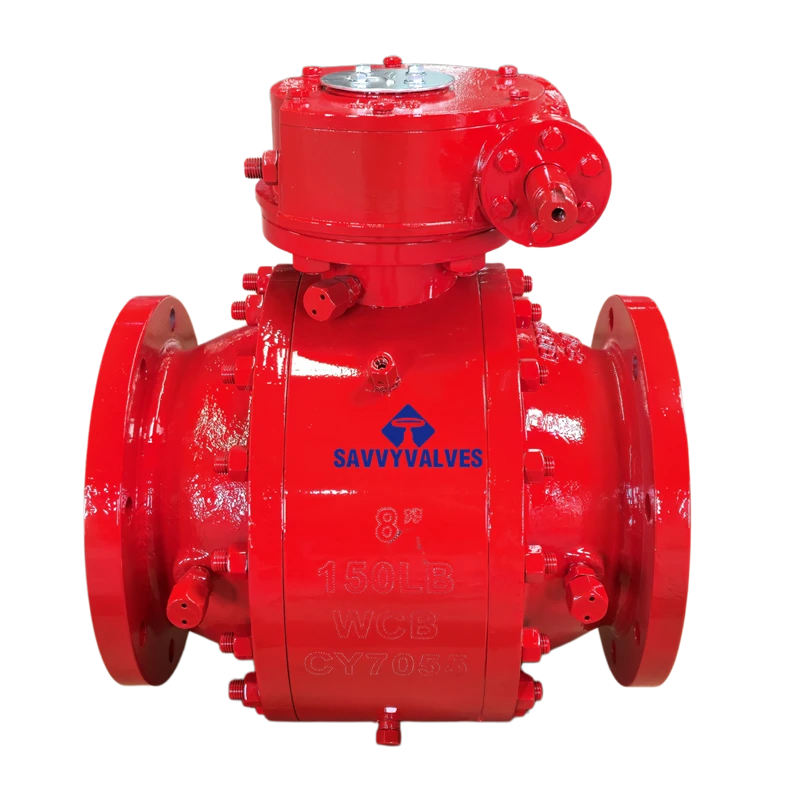
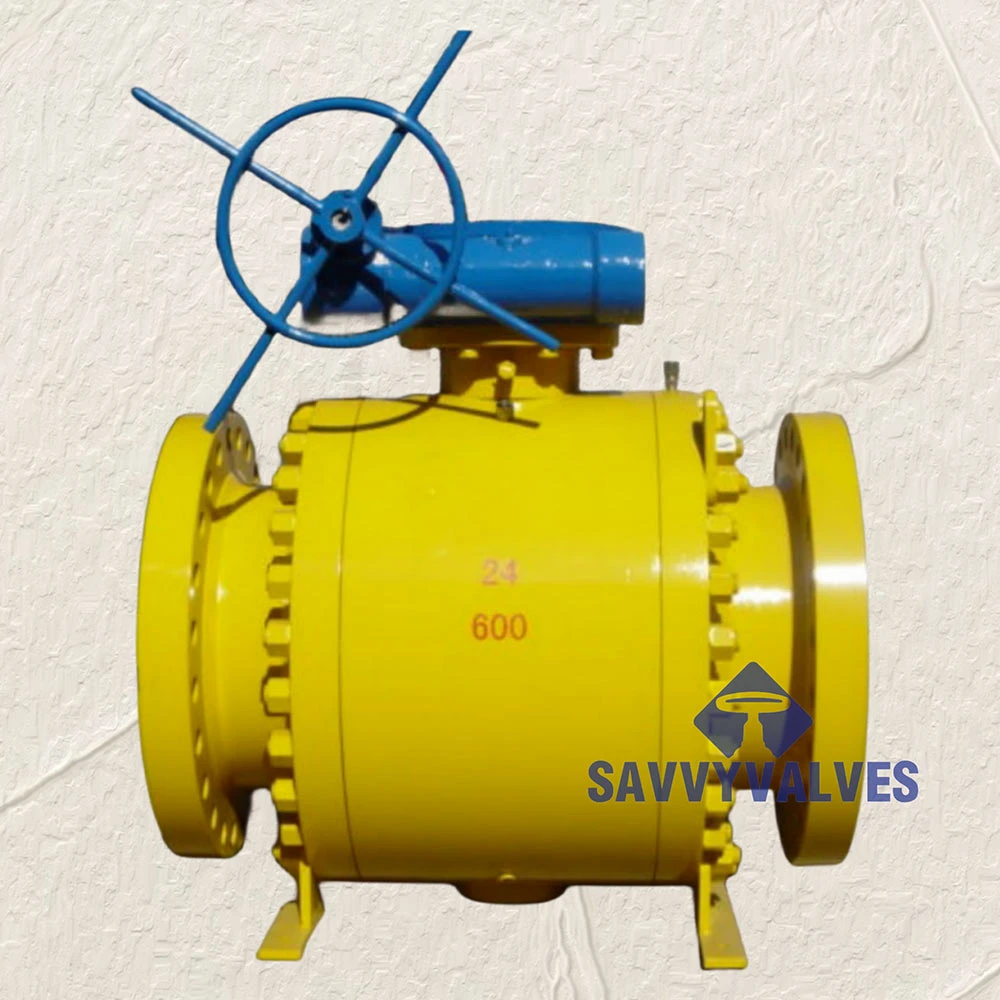
• Ball Valves
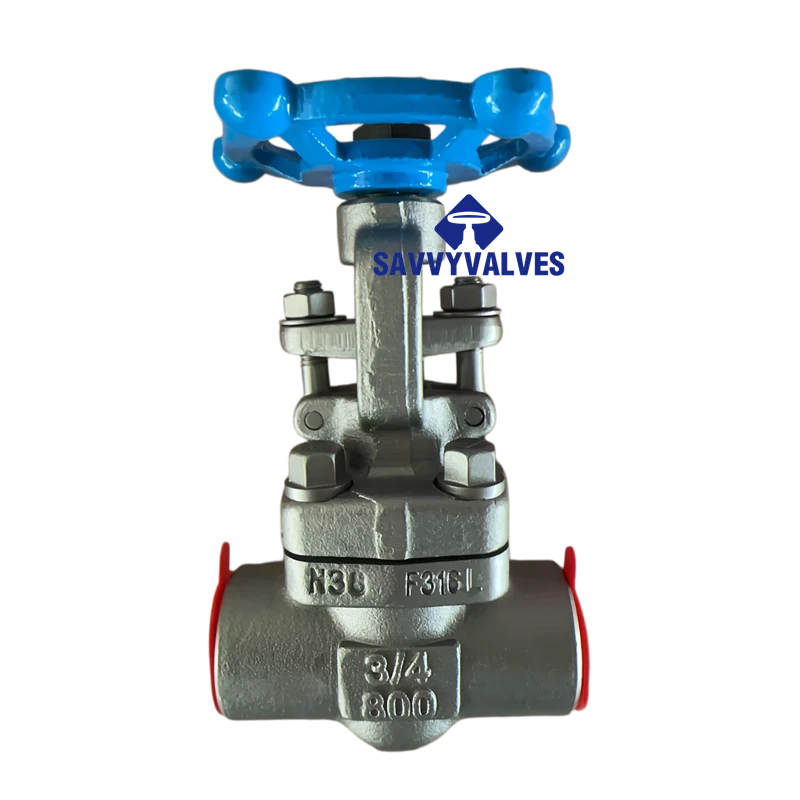
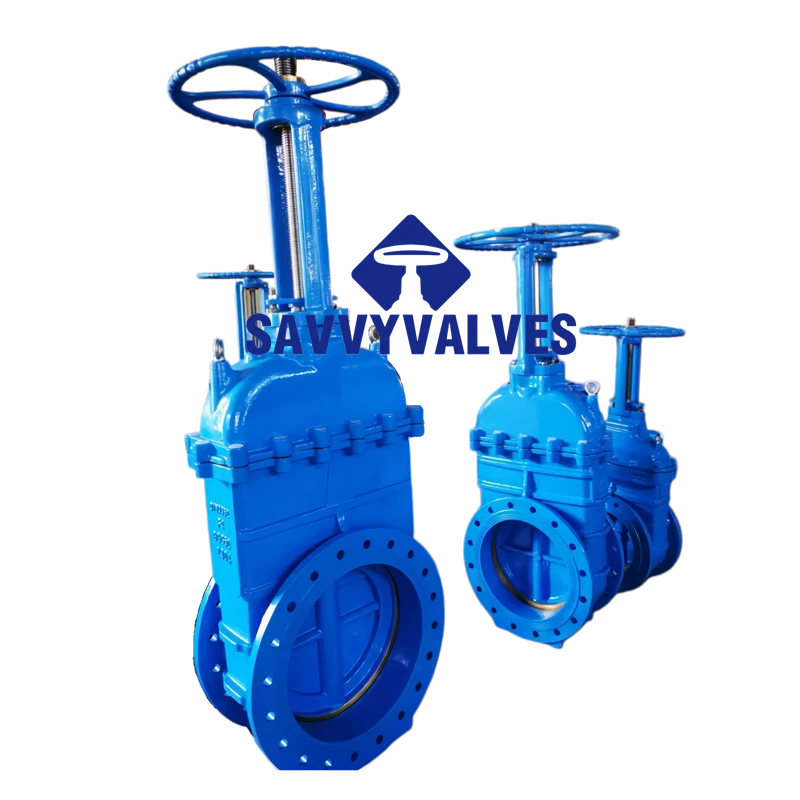
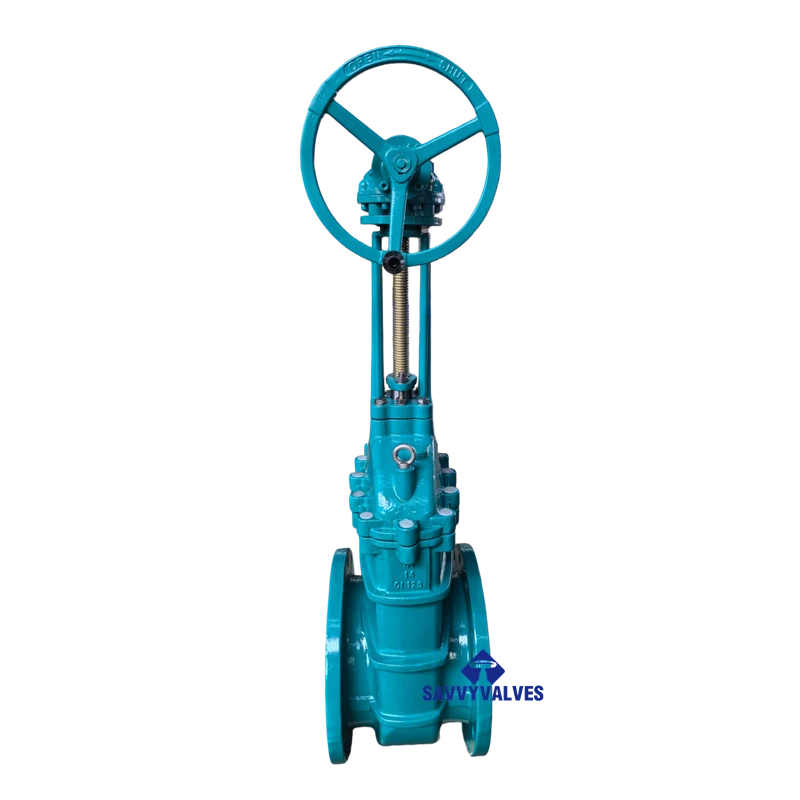
• Gate Valves
• Globe Valves
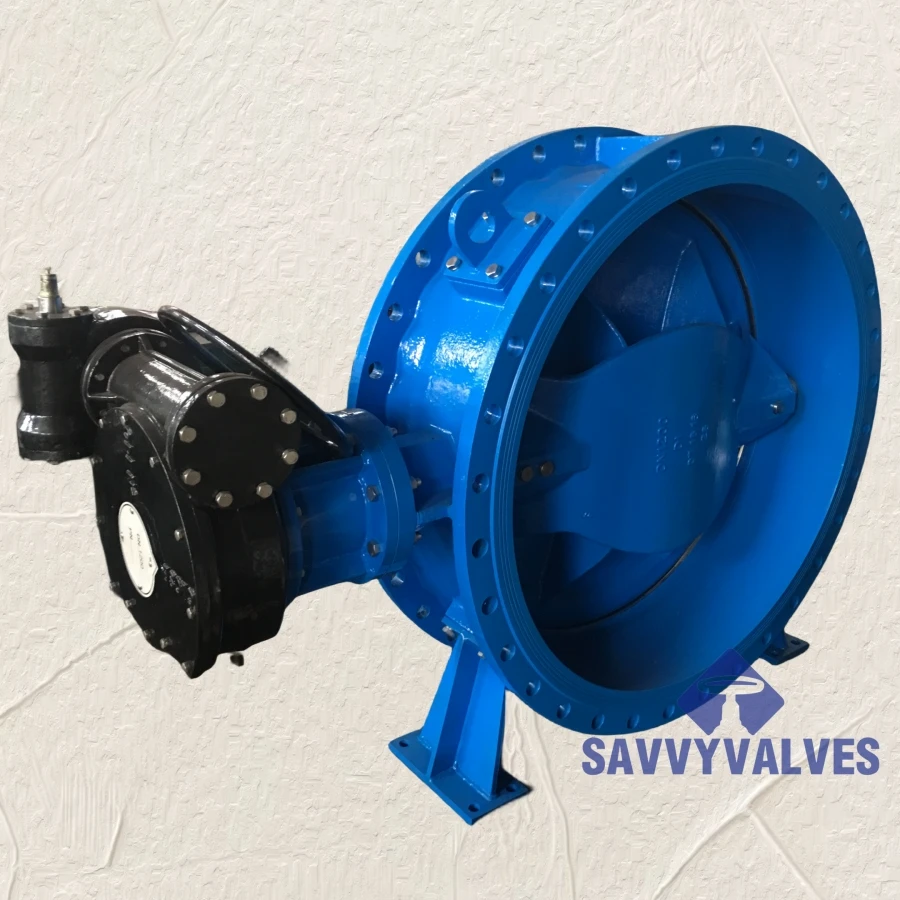
• Butterfly Valves
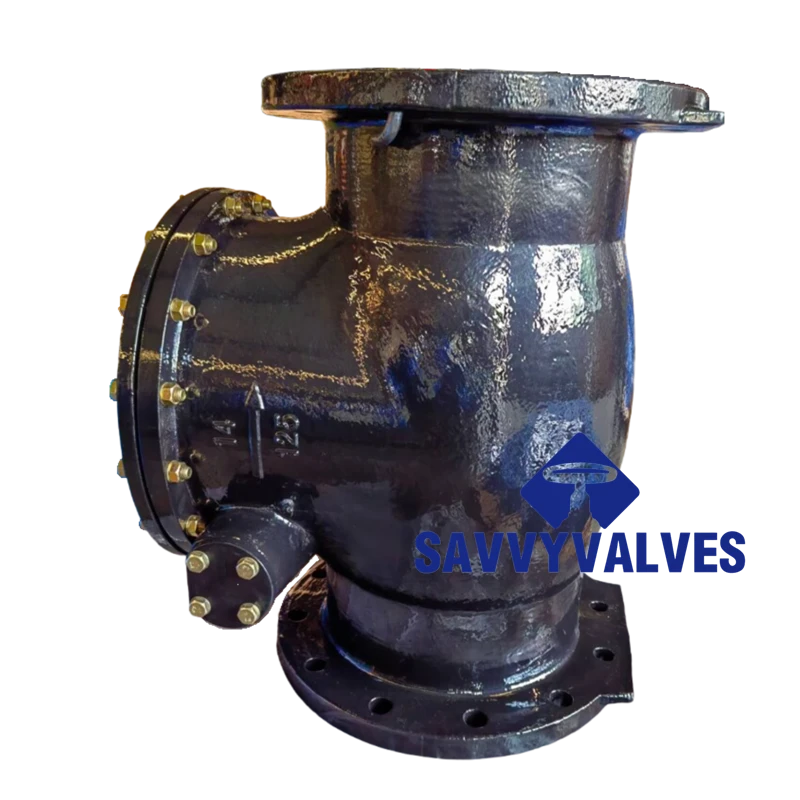
• Check Valves
• Needle Valves
Key Considerations When Choosing Cryogenic Valves Suppliers
Sourcing from reputable cryogenic valves suppliers is paramount. Look for suppliers with a proven track record, robust quality control procedures, and certifications like ISO 9001. Assess their experience with cryogenic applications and their ability to provide customized solutions. Consider factors such as lead times, pricing, and after-sales support. A reliable supplier should offer comprehensive documentation, including material test reports, pressure test certificates, and compliance statements. Evaluate their engineering expertise and their ability to assist with valve selection and system design. Savvy Valve Tech prioritizes quality and customer satisfaction, offering a full range of services from design to delivery.
Why Choose Savvy Valve Tech?
At Savvy Valve Tech, we specialize in providing high-performance cryogenic valves engineered for reliability and longevity. We offer a wide selection of valve types, materials, and configurations to meet your specific needs. Our experienced engineers provide expert guidance, assisting with valve selection, system design, and troubleshooting. We are committed to delivering exceptional customer service, prompt lead times, and competitive pricing. We prioritize quality control and adhere to rigorous industry standards. Partner with us for a seamless and successful cryogenic valve solution.
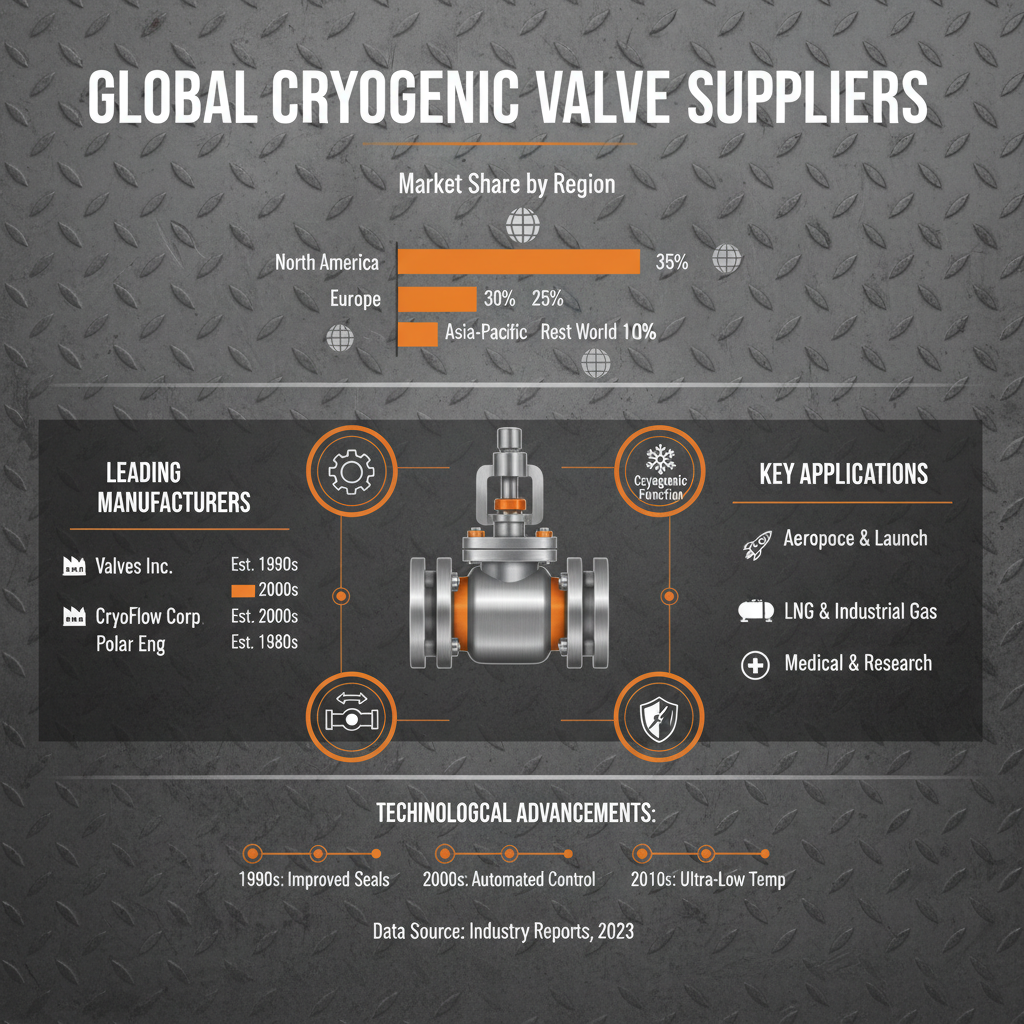
Quality Standards and Compliance
Cryogenic valves must meet stringent quality standards to ensure safe and reliable operation. Key standards include MSS SP-134 (Valves for Cryogenic Service) and ASME B31.3 (Process Piping). These standards define requirements for materials, design, testing, and inspection. Compliance with these standards demonstrates a commitment to safety and quality. Savvy Valve Tech's cryogenic valves are designed and manufactured in accordance with these industry-leading standards, guaranteeing superior performance and reliability.
Conclusion: Partnering for Cryogenic Success
Selecting the right cryogenic valves suppliers is an essential step towards ensuring the safety, efficiency, and reliability of your cryogenic systems. Savvy Valve Tech offers a comprehensive range of high-quality cryogenic valves, expert engineering support, and exceptional customer service. Don't compromise on quality – choose Savvy Valve Tech as your trusted partner.
Frequently Asked Questions (FAQs)
What materials are commonly used in cryogenic valves?
Stainless steel (304, 316L) is the most common material due to its excellent low-temperature properties. Monel, a nickel alloy, is also frequently used for its corrosion resistance and strength at cryogenic temperatures. Other specialized alloys may be employed depending on the specific application and the cryogenic fluid being handled. It’s crucial that all materials used in the valve construction are compatible with the cryogenic fluid to prevent embrittlement or corrosion. Savvy Valve Tech offers valves constructed from a variety of materials to suit diverse needs.
How important is valve insulation in cryogenic applications?
Valve insulation is critically important in cryogenic applications. It minimizes heat transfer from the environment to the cryogenic fluid, preventing vaporization and maintaining the desired low temperature. Proper insulation also prevents ice formation on the valve stem and actuator, which can lead to operational issues. Various insulation methods are used, including vacuum jacketing, foam insulation, and multi-layer insulation. The choice of insulation depends on the valve size, operating temperature, and application requirements.
What are the key safety considerations when working with cryogenic valves?
Cryogenic fluids pose significant safety hazards, including cold burns, asphyxiation, and embrittlement of materials. Always wear appropriate personal protective equipment (PPE), including gloves, eye protection, and insulated clothing. Ensure proper ventilation to prevent oxygen displacement. Handle cryogenic valves carefully to avoid damage. Regularly inspect valves for leaks and wear. Follow established safety procedures and receive adequate training before working with cryogenic systems. Savvy Valve Tech provides resources and support to ensure safe operation of our valves.
What type of testing is performed on cryogenic valves?
Cryogenic valves undergo rigorous testing to ensure performance and safety. Common tests include hydrostatic testing, pneumatic testing, leak testing at cryogenic temperatures, and functional testing. Material traceability and certification are also essential. Some suppliers also conduct specialized tests, such as thermal cycle testing and vibration testing, to simulate real-world operating conditions. Savvy Valve Tech provides complete testing documentation with every valve.


 English