
Finding the Right High Temperature Valves Suppliers: A Comprehensive Guide
In industries dealing with extreme heat and pressure, the reliability of valves is paramount. Selecting the right high temperature valves suppliers is crucial for ensuring operational efficiency, safety, and longevity of equipment. This article will explore the key considerations when sourcing these specialized valves, outlining the factors to assess and the benefits of partnering with a reputable supplier like Savvy Valve Tech. Understanding the specific requirements of your application and the capabilities of potential suppliers is the first step towards making an informed decision.
Understanding High Temperature Valve Applications
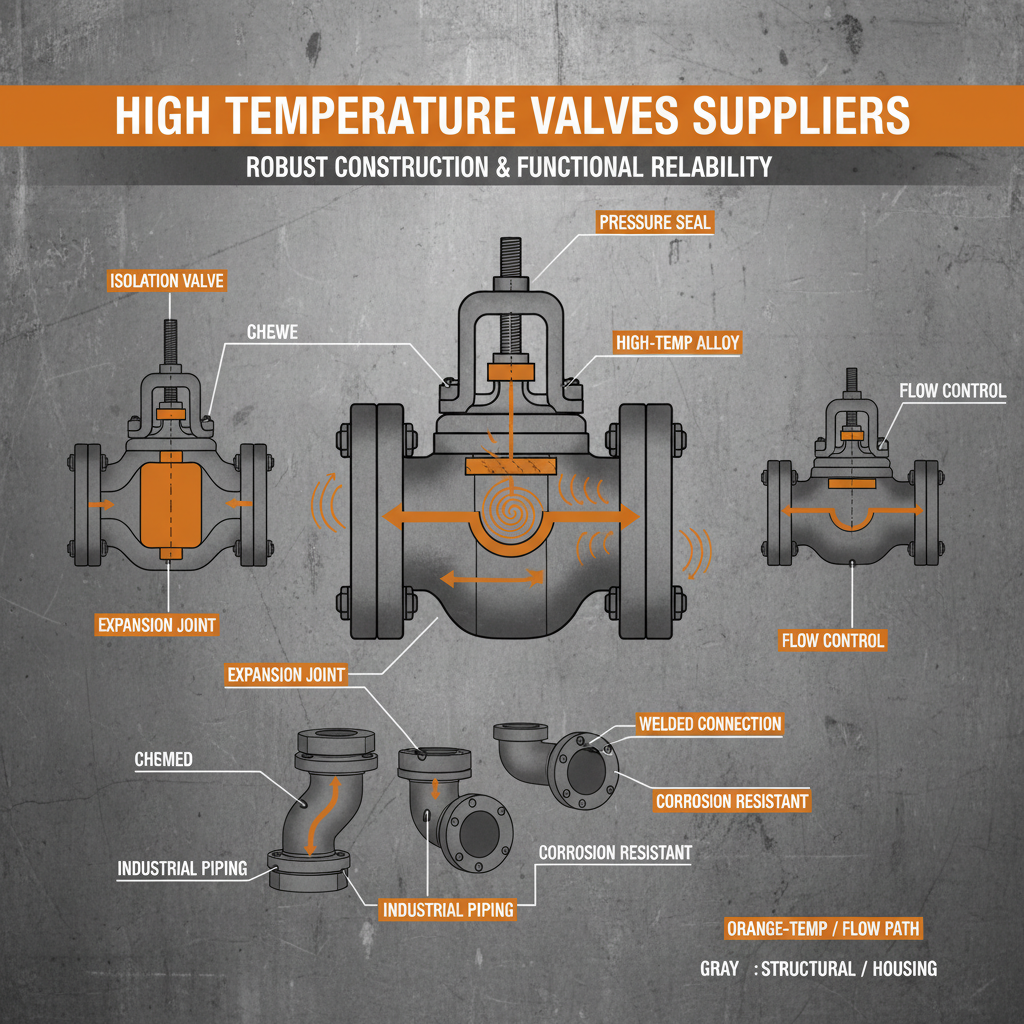
High temperature valves are essential components in various industries, including power generation, chemical processing, oil and gas refining, and aerospace. They are designed to withstand extreme temperatures and pressures, maintaining a tight seal and preventing leaks. These valves play a critical role in controlling the flow of steam, hot water, corrosive fluids, and other high-temperature media. The materials used in these valves—typically stainless steel alloys, nickel alloys, and other specialized metals—must be carefully selected to ensure resistance to thermal expansion, corrosion, and erosion. Choosing the wrong valve can lead to costly downtime, safety hazards, and environmental damage.
Key Considerations: Properly selected high-temperature valves are essential for maintaining operational safety, preventing costly leaks, and extending the lifespan of critical equipment.
Key Factors When Evaluating High Temperature Valves Suppliers
Selecting a reliable supplier isn’t just about finding the lowest price; it’s about establishing a long-term partnership based on quality, expertise, and service. Here are crucial factors to consider:
- Material Expertise: Does the supplier specialize in materials suitable for high-temperature applications (e.g., alloy 20, Inconel, Hastelloy)?
- Manufacturing Capabilities: Can they handle the specific valve types and sizes your application requires?
- Quality Control: What quality control processes are in place to ensure valve integrity and performance? (e.g., NDT, hydrostatic testing)
- Certification & Compliance: Do they adhere to relevant industry standards (e.g., ASME, API)?
- Lead Times & Availability: Can they meet your delivery deadlines consistently?
- Technical Support: Do they offer technical assistance and support for valve selection and installation?
Savvy Valve Tech excels in each of these areas, providing clients with high-quality valves and exceptional support.
Valve Types Suitable for High Temperatures
Several valve types are commonly used in high-temperature applications, each offering specific advantages. The best choice depends on factors like fluid type, pressure, temperature, and flow rate. Some common types include:
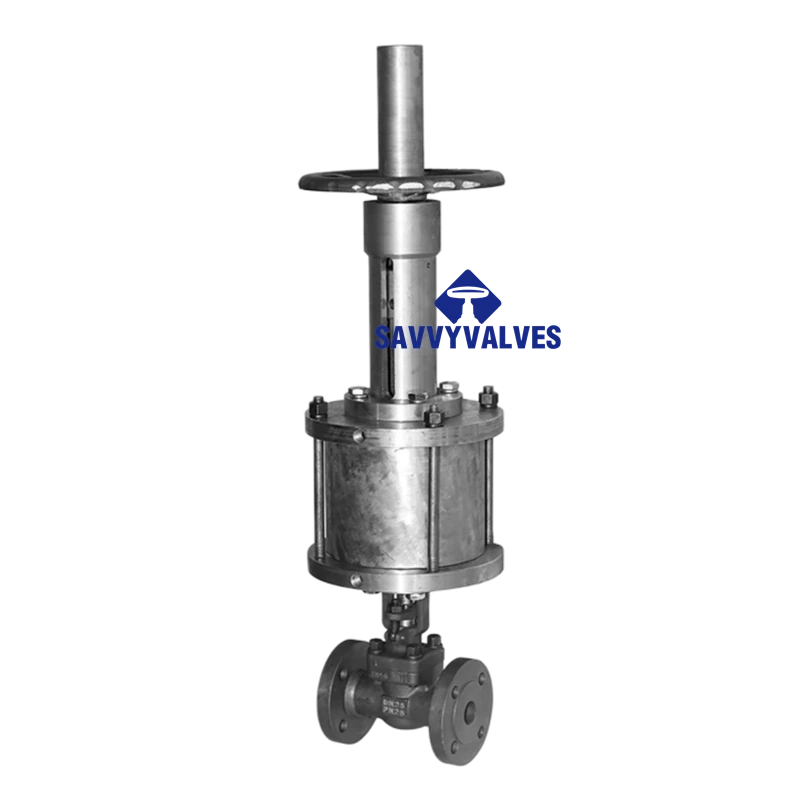
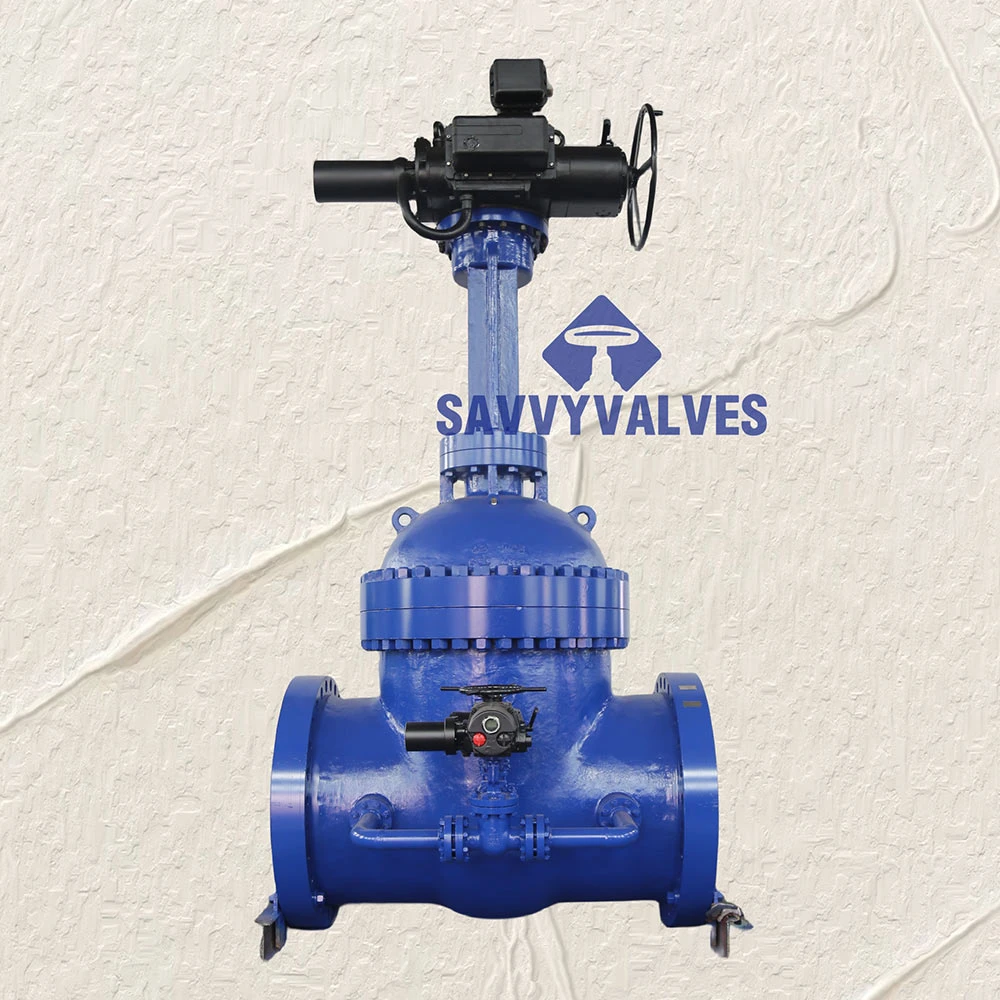
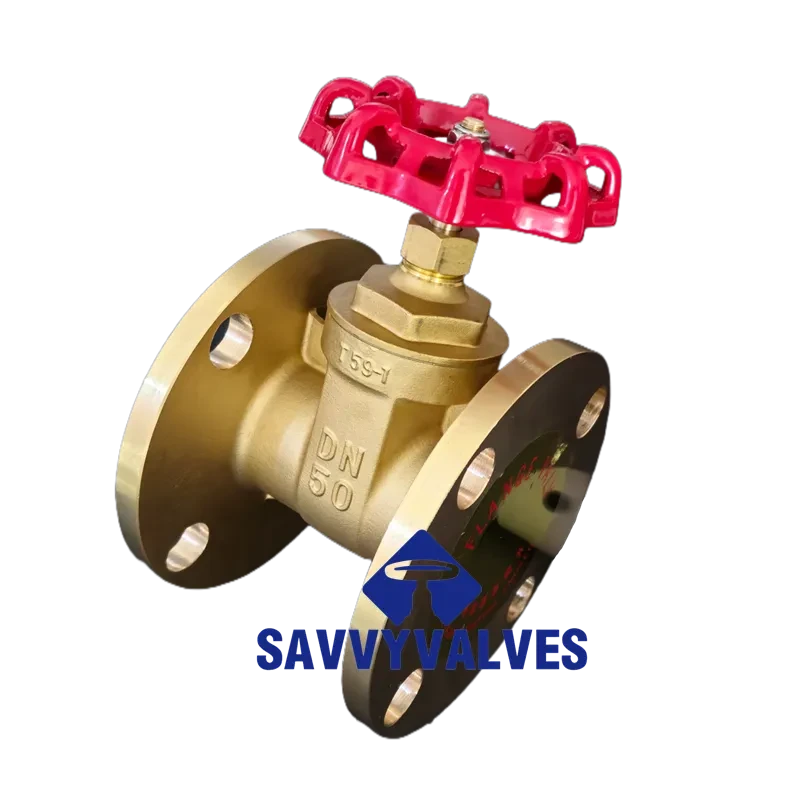
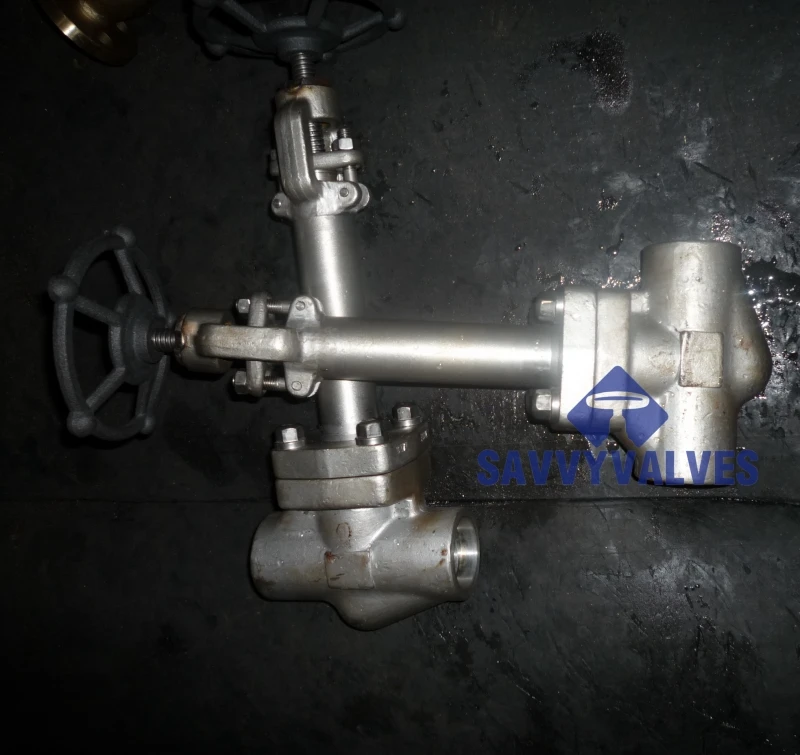
- Gate Valves: Suitable for on/off service, providing minimal pressure drop.
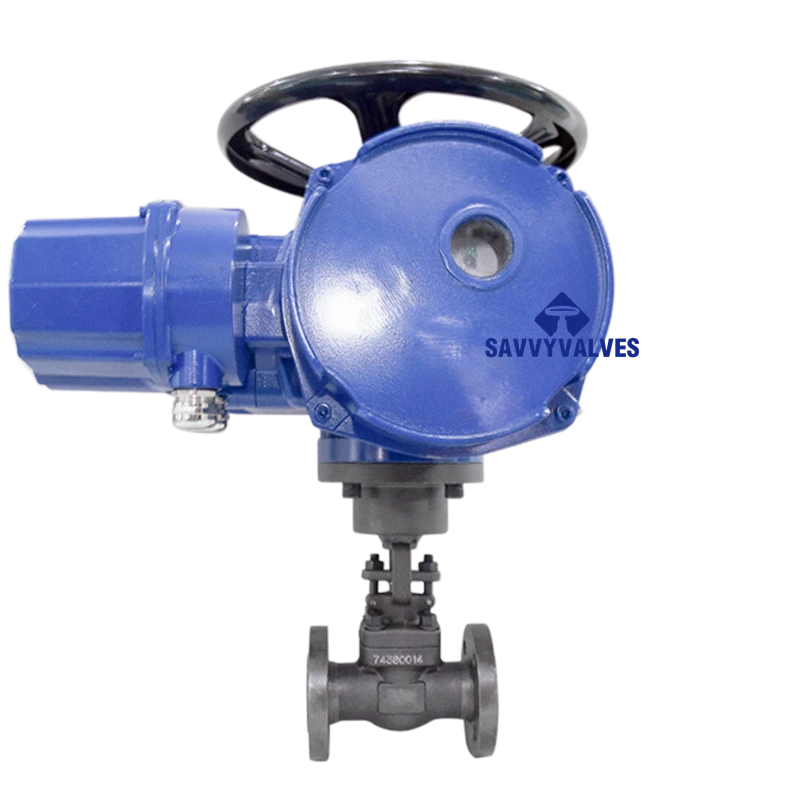
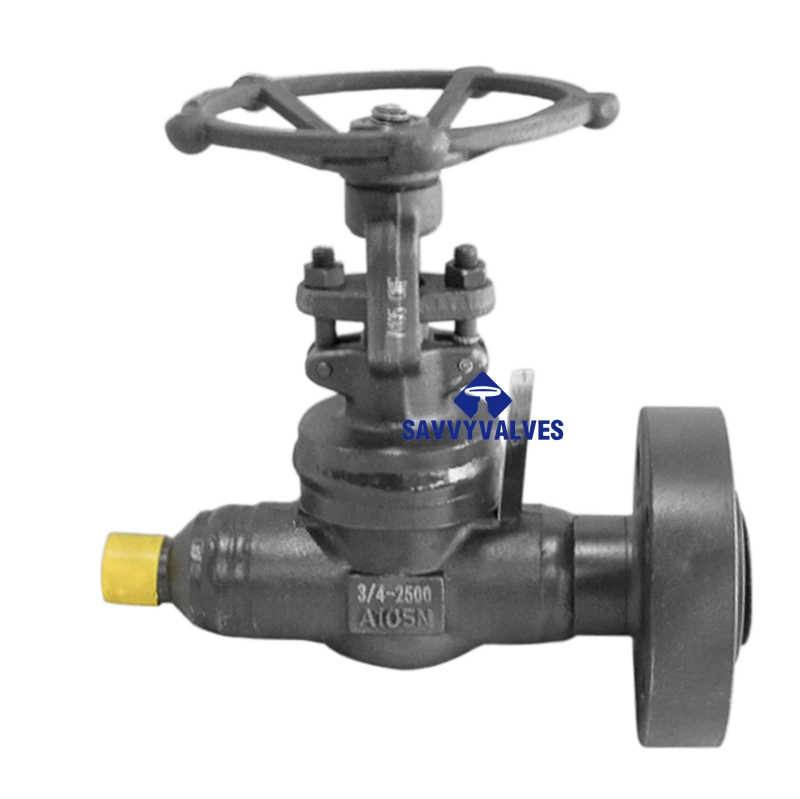
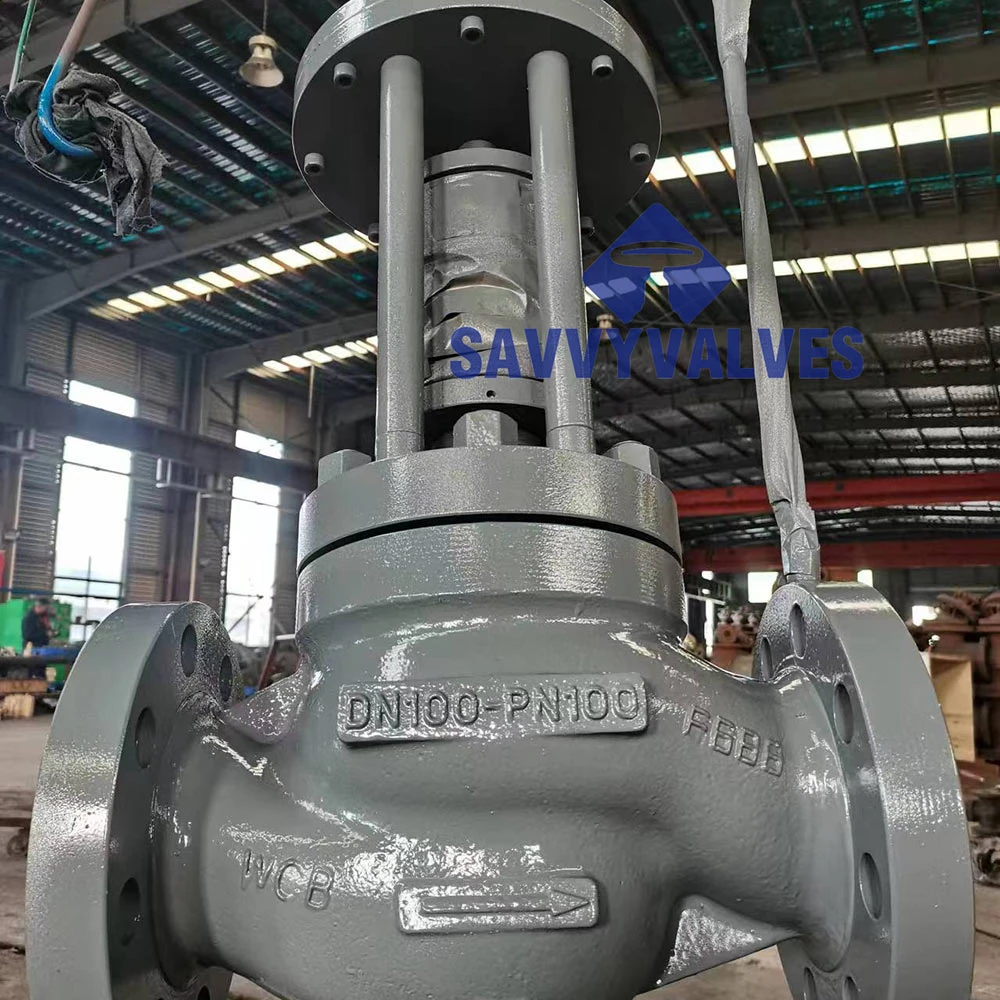
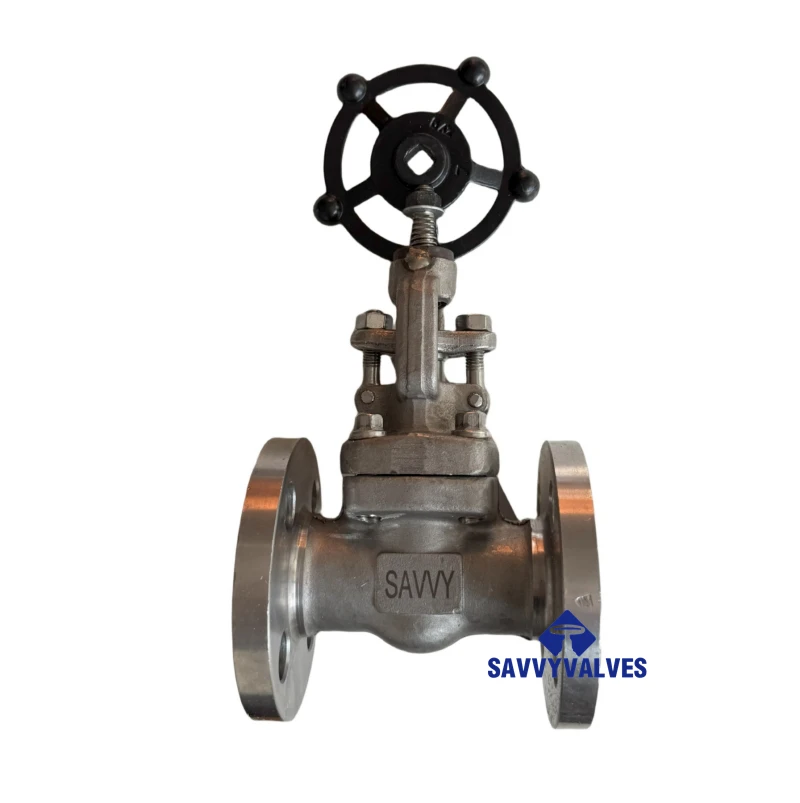
- Globe Valves: Ideal for throttling and flow control.
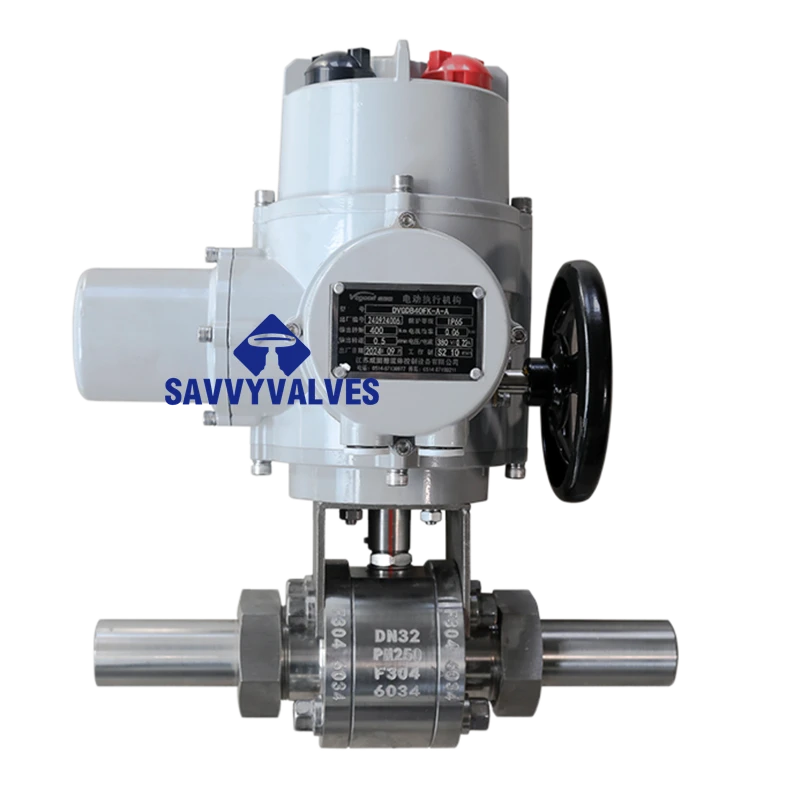
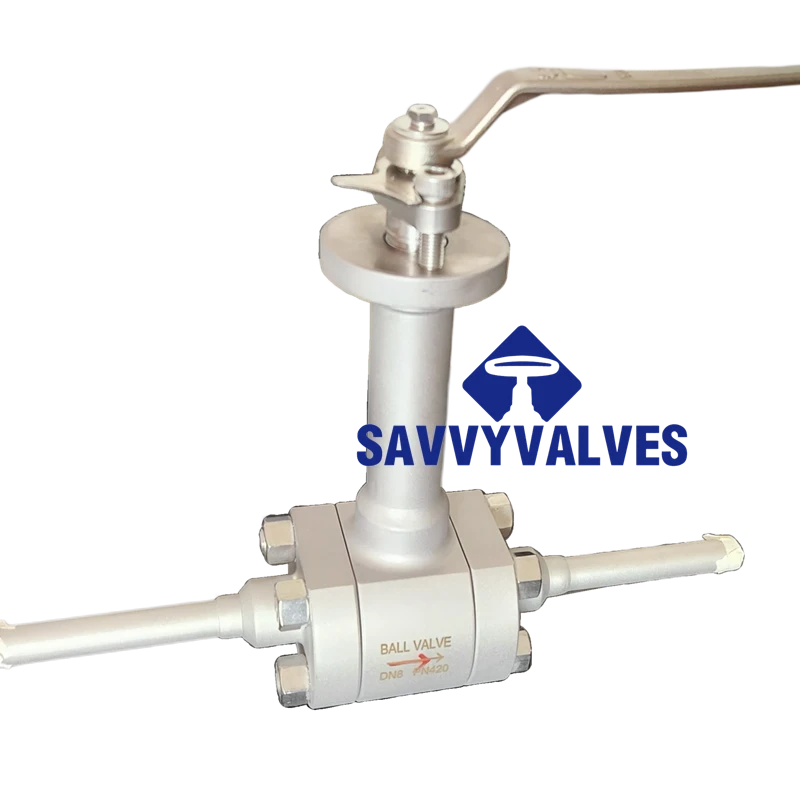
- Ball Valves: Offer quick quarter-turn operation and tight shut-off.
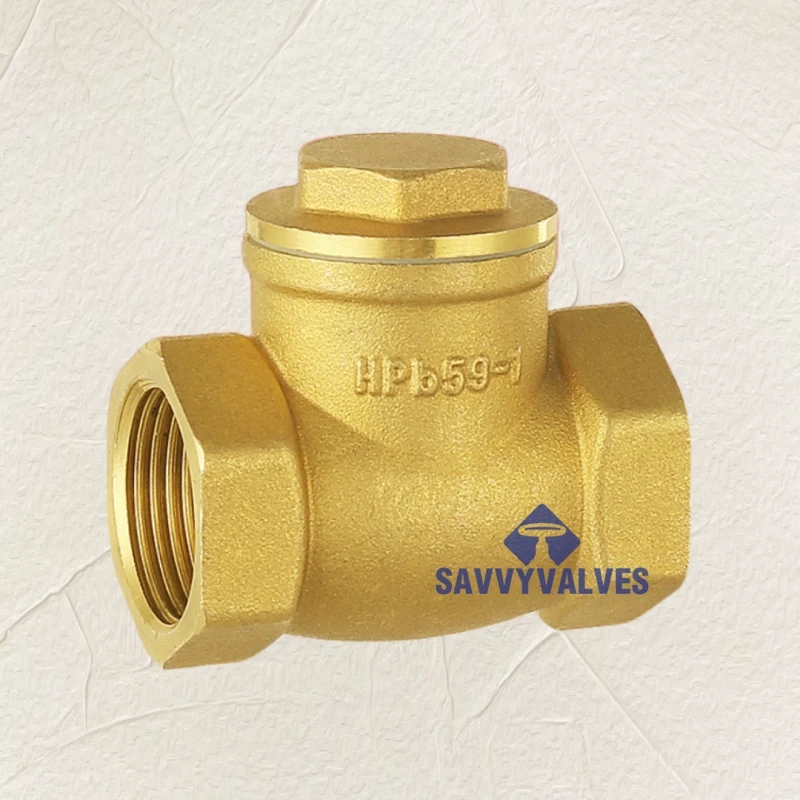
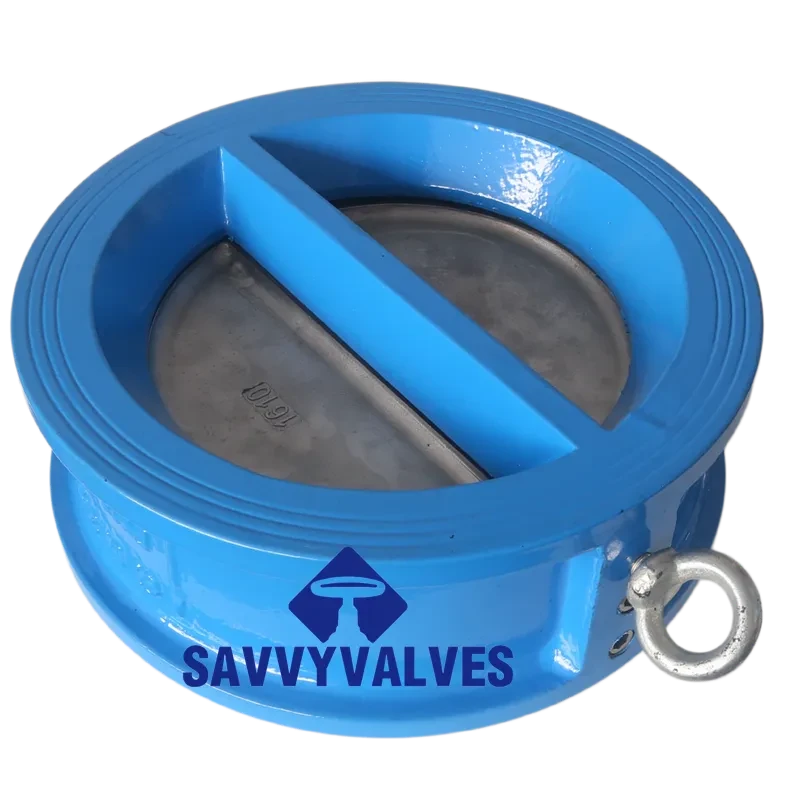
- Check Valves: Prevent backflow, ensuring unidirectional flow.
- Butterfly Valves: Lightweight and efficient for large-diameter pipelines.
Valve Selection Guide:
• Gate Valves: Ideal for on/off isolation with minimal flow restriction.
• Globe Valves: Best for precise flow control and frequent operation.
• Ball Valves: Provide quick, reliable shut-off in high-temperature systems.
Comparing Material Options for High Temperature Valves
The material selection is arguably the most critical aspect of high-temperature valve design. Different materials offer varying levels of resistance to heat, corrosion, and erosion. Here's a comparison of common materials:
Why Choose Savvy Valve Tech as Your High Temperature Valves Supplier?
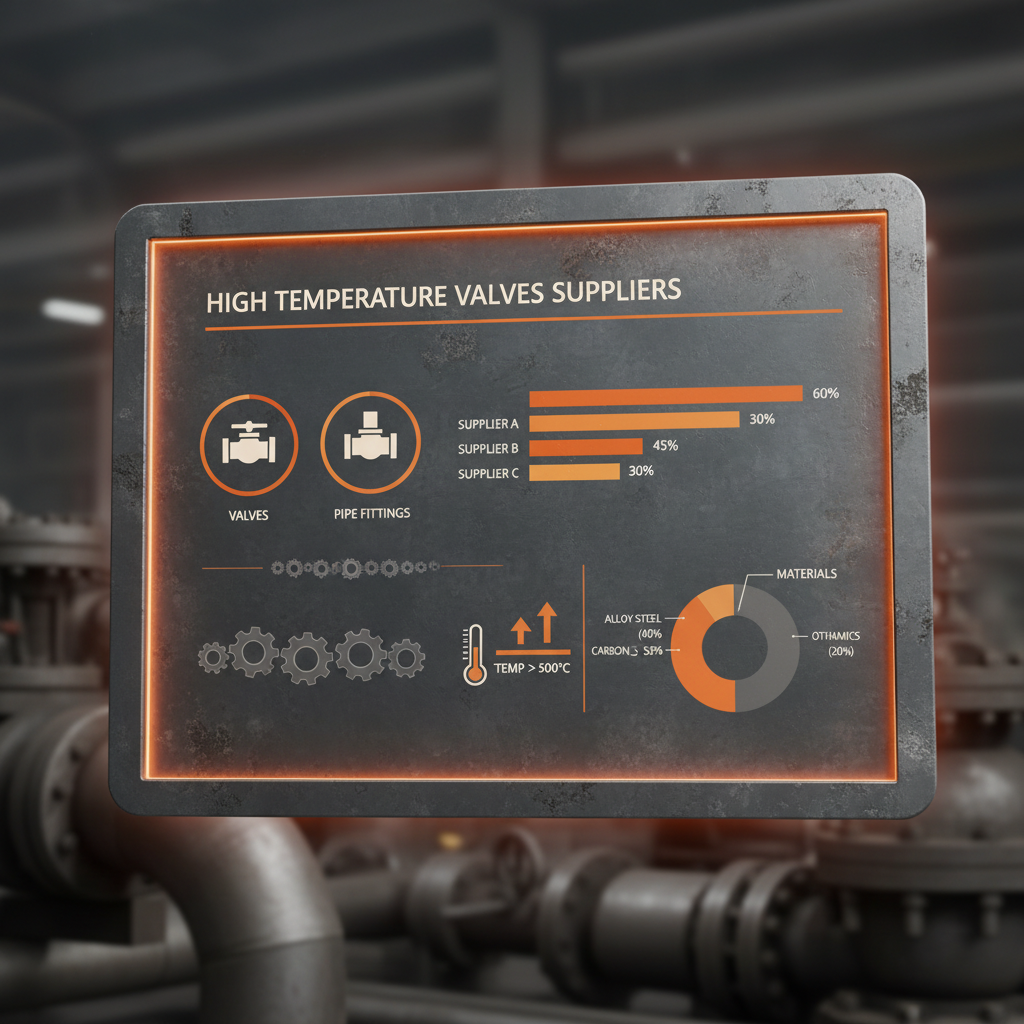
Savvy Valve Tech is dedicated to providing high-quality, reliable valves and exceptional customer service. We specialize in high-temperature applications, offering a comprehensive range of valve types and materials. Our experienced team can assist you with valve selection, customization, and installation. We are committed to delivering on time and within budget, ensuring your project’s success. Partner with us for a smooth and efficient sourcing experience.
Conclusion: Reliable Valves for Demanding Applications
Selecting the right high temperature valves suppliers is critical for ensuring the safety, efficiency, and longevity of your operations. Savvy Valve Tech offers a comprehensive range of high-quality valves, expert guidance, and exceptional customer support. Don't compromise on quality – choose a partner you can trust.
Frequently Asked Questions (FAQs)
What factors influence the price of high temperature valves?
Several factors contribute to the price of high temperature valves. The material used is a significant factor, with more exotic alloys like Inconel and Hastelloy commanding higher prices than stainless steel. Valve size, pressure rating, and complexity of design also impact cost. Furthermore, quantity, customization requirements, and supplier overhead all play a role. Working with a reputable supplier like Savvy Valve Tech can help you optimize value by finding the best balance between performance and cost.
What is the importance of NDT testing for high temperature valves?
Non-destructive testing (NDT) is crucial for ensuring the integrity of high-temperature valves. Methods like radiographic testing, ultrasonic testing, and liquid penetrant inspection can detect internal flaws and surface imperfections without damaging the valve. This helps to identify potential failure points before the valve is put into service, minimizing the risk of leaks, catastrophic failures, and costly downtime. Savvy Valve Tech employs rigorous NDT procedures to guarantee the quality and reliability of its valves.
How do I determine the correct valve size for my application?
Determining the correct valve size involves considering several factors, including flow rate, pressure drop, fluid viscosity, and pipeline diameter. Undersized valves can cause excessive pressure drop and restrict flow, while oversized valves can lead to cavitation and damage. Savvy Valve Tech's engineering team can assist you with valve sizing calculations, ensuring you select the optimal valve for your specific application. Providing accurate process data is essential for a precise sizing recommendation.


 English