
Pressure Control Valve Manufacturers: A Comprehensive Guide
In a multitude of industrial processes, maintaining precise pressure is paramount for efficiency, safety, and product quality. This is where pressure control valves become indispensable. Selecting the right manufacturer is crucial, ensuring reliability, performance, and longevity of your systems. This article will explore the key considerations when choosing a pressure control valve manufacturer, focusing on expertise, product range, quality control, and customer support. Investing in quality valves from a reputable source can dramatically reduce downtime and improve operational effectiveness.

Understanding Pressure Control Valves
Pressure control valves (PCVs) are designed to automatically regulate pressure within a system. They achieve this by modulating flow based on upstream and downstream pressure, responding to changes to maintain a setpoint. These valves are vital in industries such as oil & gas, chemical processing, water treatment, power generation, and HVAC systems. Different types of PCVs are available, including direct-acting, pilot-operated, and self-operated valves, each suited to specific applications and pressure ranges. Choosing the correct type requires careful consideration of system requirements and operating conditions. A reliable pressure control valve manufacturer will offer expert guidance on selecting the optimal valve for your needs.
Key Considerations: Selecting the correct pressure control valve is paramount for optimal system performance and safety. Factors like flow rate, pressure range, fluid type, and temperature are vital to consider.
Key Attributes of a Reputable Pressure Control Valve Manufacturer
A top-tier pressure control valve manufacturer exhibits several crucial characteristics. These include a comprehensive product portfolio covering a wide range of pressure, size, and material options. Strong engineering capabilities, demonstrated through innovative designs and customization options, are also essential. Rigorous quality control processes, adhering to industry standards like ISO 9001, are non-negotiable. Finally, exceptional customer service, including technical support and responsive communication, is vital for a smooth experience. Manufacturers with a proven track record and positive customer testimonials are generally the safest bet.
Essential Qualities:
• Wide Product Range
• Strong Engineering Expertise
• Robust Quality Control
• Excellent Customer Support
Comparing Pressure Control Valve Types
Understanding the different types of pressure control valves is crucial for selecting the best solution for your application. Direct-acting valves respond directly to pressure changes, making them suitable for smaller systems. Pilot-operated valves use a smaller pilot valve to control the main valve, offering higher capacity and precision. Self-operated valves utilize the system pressure itself to control the valve, requiring no external power. Each type has its advantages and disadvantages in terms of response time, accuracy, and cost.
Quality Assurance and Material Selection
The materials used in a pressure control valve are critical to its performance and lifespan. Common materials include stainless steel, brass, carbon steel, and various polymers. The choice depends on the fluid being controlled, temperature, pressure, and corrosion concerns. A reputable manufacturer will provide detailed material certifications and conduct thorough testing to ensure compliance with industry standards. Non-destructive testing (NDT) methods, like radiographic inspection and ultrasonic testing, are used to identify internal flaws and ensure structural integrity.
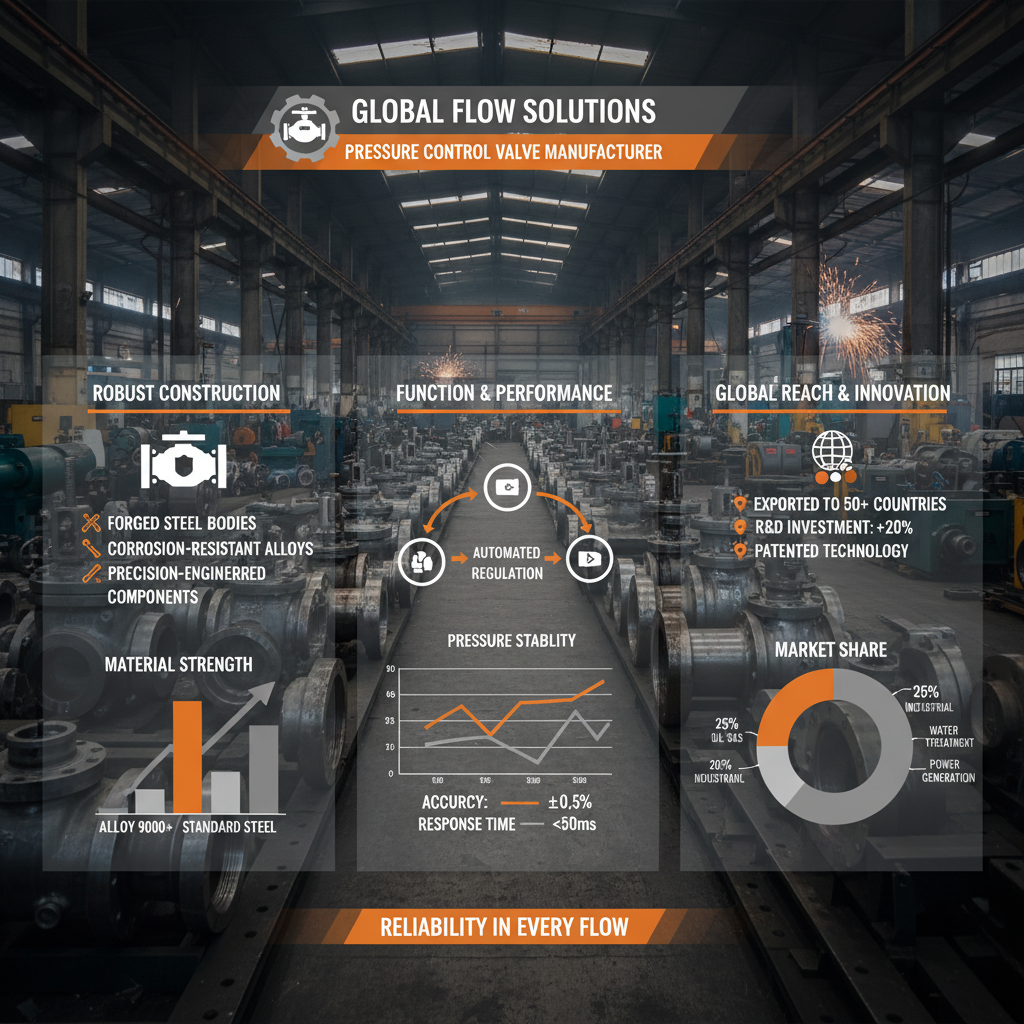
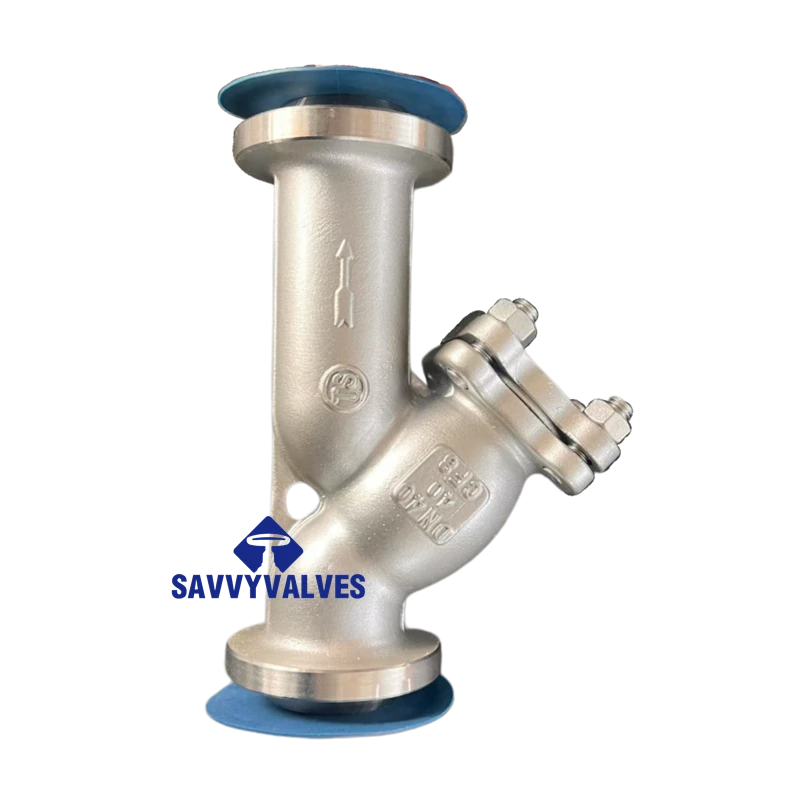
Savvy Valve Tech: Your Trusted Pressure Control Valve Partner
At Savvy Valve Tech, we specialize in designing and manufacturing high-performance pressure control valves. We offer a wide range of standard and custom solutions to meet diverse industrial needs. Our commitment to quality, innovation, and customer satisfaction sets us apart. We leverage advanced manufacturing techniques and rigorous quality control procedures to ensure our valves deliver exceptional reliability and longevity. Contact us today to discuss your specific requirements and discover how we can optimize your pressure control systems.
Conclusion: Partnering for Pressure Control Excellence
Selecting the right pressure control valve manufacturer is a critical decision impacting the efficiency, safety, and reliability of your industrial operations. Savvy Valve Tech is dedicated to providing innovative, high-quality solutions and exceptional customer support. We’re committed to partnering with you to achieve optimal pressure control for your unique applications.
Frequently Asked Questions (FAQs)
What factors affect the accuracy of a pressure control valve?
Several factors can influence the accuracy of a pressure control valve, including the valve's design, manufacturing tolerances, fluid properties, and operating conditions. Temperature fluctuations, viscosity changes, and upstream pressure variations can all impact performance. Proper sizing of the valve for the specific application is crucial, as is regular maintenance and calibration. Choosing a valve with a high-precision control mechanism and a stable pilot system will also enhance accuracy. The quality of components used by the manufacturer is essential.
How often should pressure control valves be inspected?
Pressure control valves should be inspected regularly, typically at least annually, or more frequently in harsh or critical applications. Inspections should include a visual check for leaks, corrosion, and physical damage. Internal components should be examined for wear and tear, and the valve's performance should be tested to ensure it's operating within specifications. Keeping a log of inspections and maintenance activities is recommended. Following the manufacturer's recommended maintenance schedule is also vital.
What materials are best suited for corrosive fluids?
When dealing with corrosive fluids, selecting materials compatible with the fluid's chemical properties is critical. Stainless steel alloys, such as 316, are often a good choice due to their excellent corrosion resistance. Other options include Hastelloy, Teflon, and various specialized polymers. The specific material selection depends on the type and concentration of the corrosive agent, temperature, and pressure. A knowledgeable pressure control valve manufacturer can provide guidance on the most appropriate materials for your application.
What is the importance of a pilot system in pressure control valves?
Pilot systems significantly enhance the performance of pressure control valves, particularly in high-flow and high-pressure applications. They allow for precise control by utilizing a smaller, more responsive control valve (the pilot valve) to modulate the larger main valve. This results in improved accuracy, faster response times, and reduced wear and tear on the main valve. Pilot systems also enable remote control and monitoring capabilities, adding to the valve’s versatility.


 English