
Choosing the Right Cryogenic Valves Manufacturer: A Comprehensive Guide
Selecting a reliable cryogenic valves manufacturer is crucial for industries dealing with extremely low-temperature applications. These specialized valves ensure safe and efficient handling of cryogenic fluids like liquid nitrogen, oxygen, and argon. This guide will explore the key factors to consider when choosing a manufacturer, the types of cryogenic valves available, and the importance of quality and compliance. A properly selected cryogenic valve safeguards your operations, prevents costly downtime, and maintains product integrity. We’ll help you navigate the complexities of this specialized field.
Understanding Cryogenic Valves and Their Applications
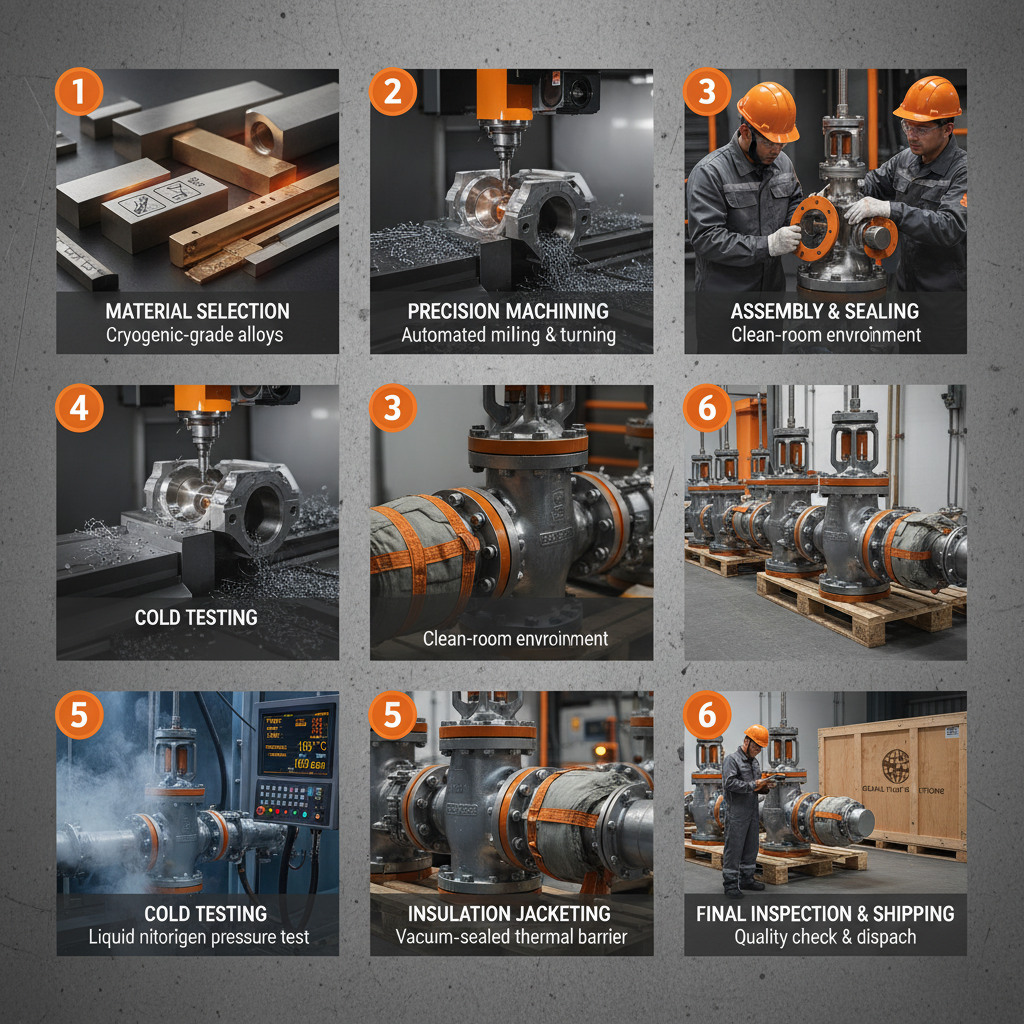
Cryogenic valves are specifically designed to withstand the extreme temperatures associated with liquefied gases – typically below -150°C (-238°F). They differ significantly from standard valves in their material composition, sealing mechanisms, and design to minimize heat transfer. Common applications include LNG (Liquefied Natural Gas) terminals, industrial gas production plants, medical facilities utilizing liquid oxygen or nitrogen, and research laboratories. Selecting the correct valve type – ball, gate, globe, or butterfly – depends on factors like flow rate, pressure requirements, and the specific cryogenic fluid being handled. A reputable cryogenic valves manufacturer will offer a comprehensive range to meet diverse application needs.
Key Considerations: Material selection is paramount, with stainless steel (304, 316L) and specialized alloys being common choices. Low thermal conductivity and resistance to embrittlement are crucial properties.
Key Features to Look for in a Cryogenic Valve Manufacturer
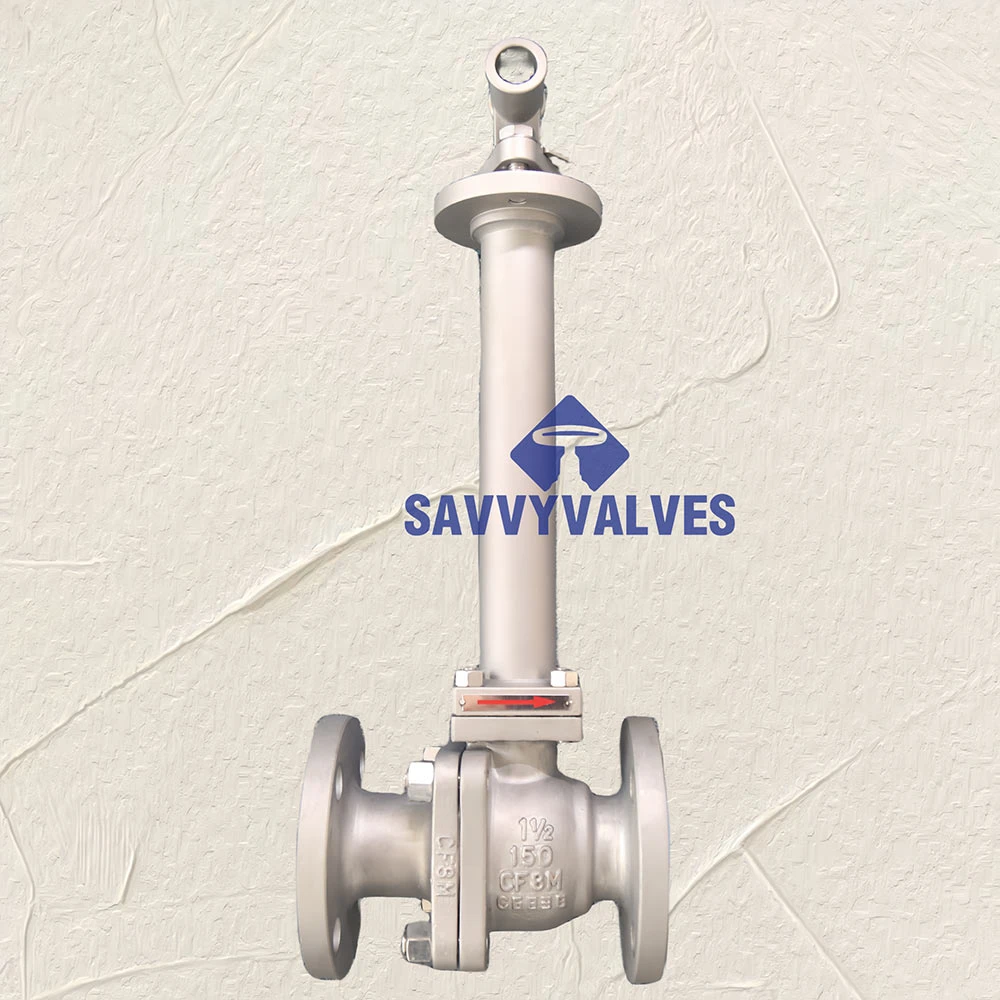
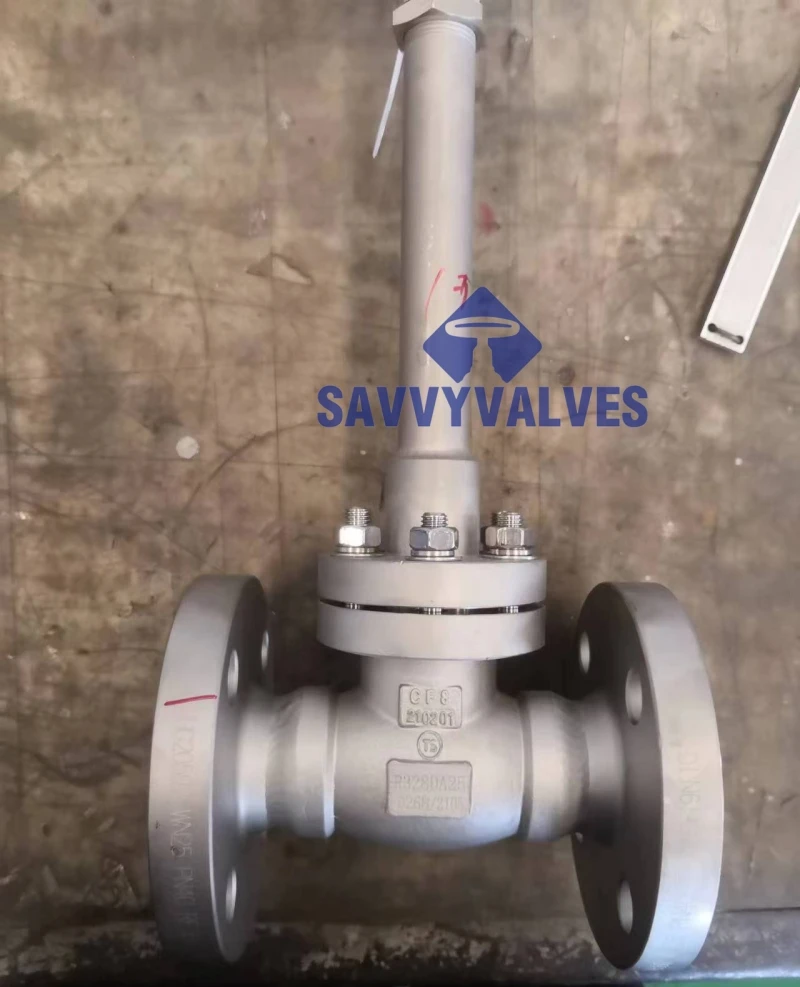
Beyond material quality, several features distinguish leading cryogenic valve manufacturers. These include: extended bonnet designs to isolate the valve stem and packing from the cryogenic fluid, preventing ice formation and ensuring smooth operation; PTFE or other low-temperature sealing materials for reliable leak-tight performance; and rigorous testing procedures, including cryogenic temperature testing and pressure testing. Furthermore, a manufacturer offering custom valve solutions tailored to specific applications demonstrates a commitment to customer needs and technical expertise. Look for certifications like ISO 9001 to ensure adherence to quality management standards. Savvy Valve Tech prioritizes these features.
Essential Features:
• Extended Bonnet Designs
• Low-Temperature Sealing Materials
• Rigorous Testing Procedures
• Customization Capabilities
Cryogenic Valve Types: A Comparative Overview
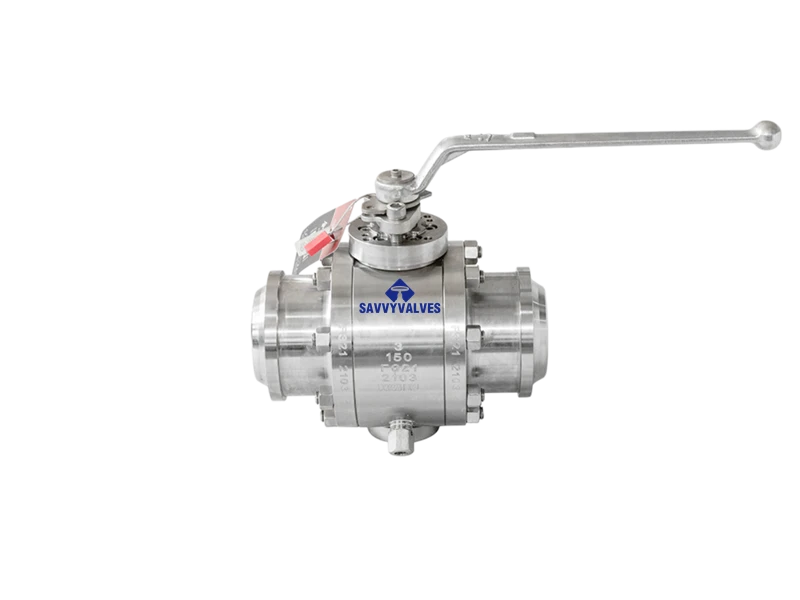
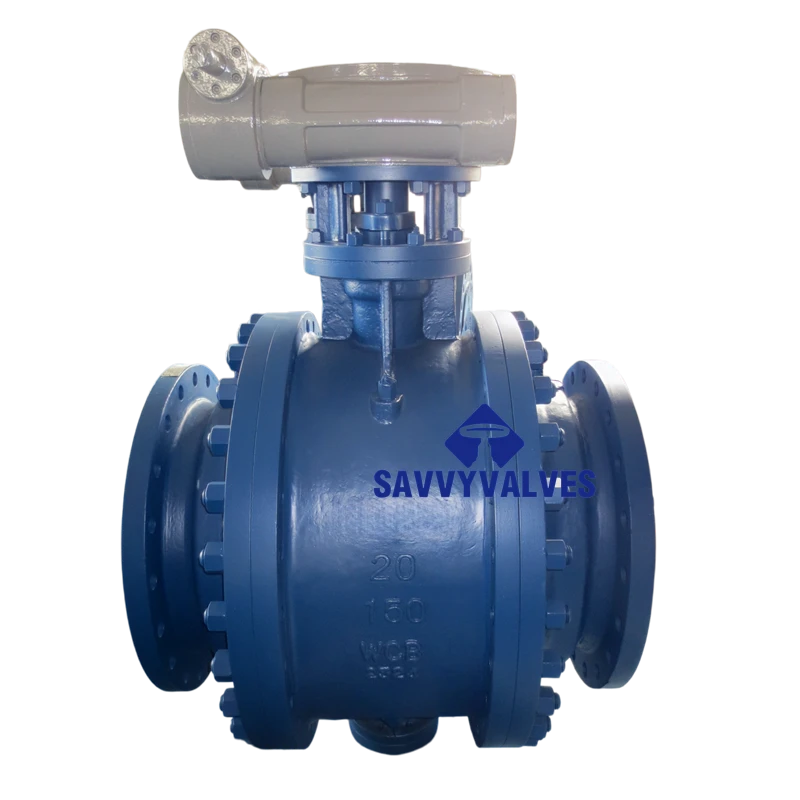
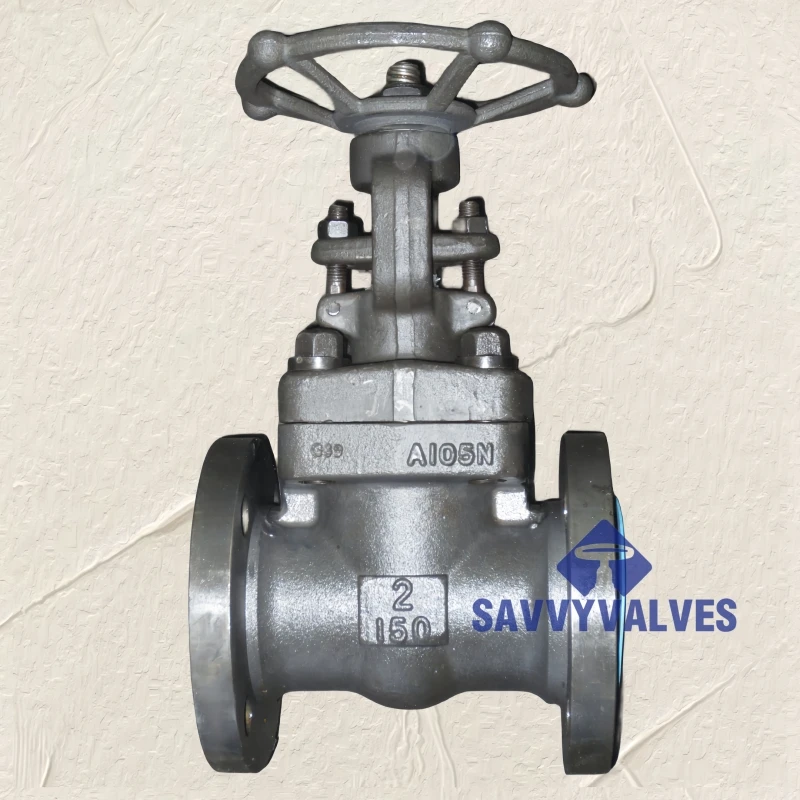
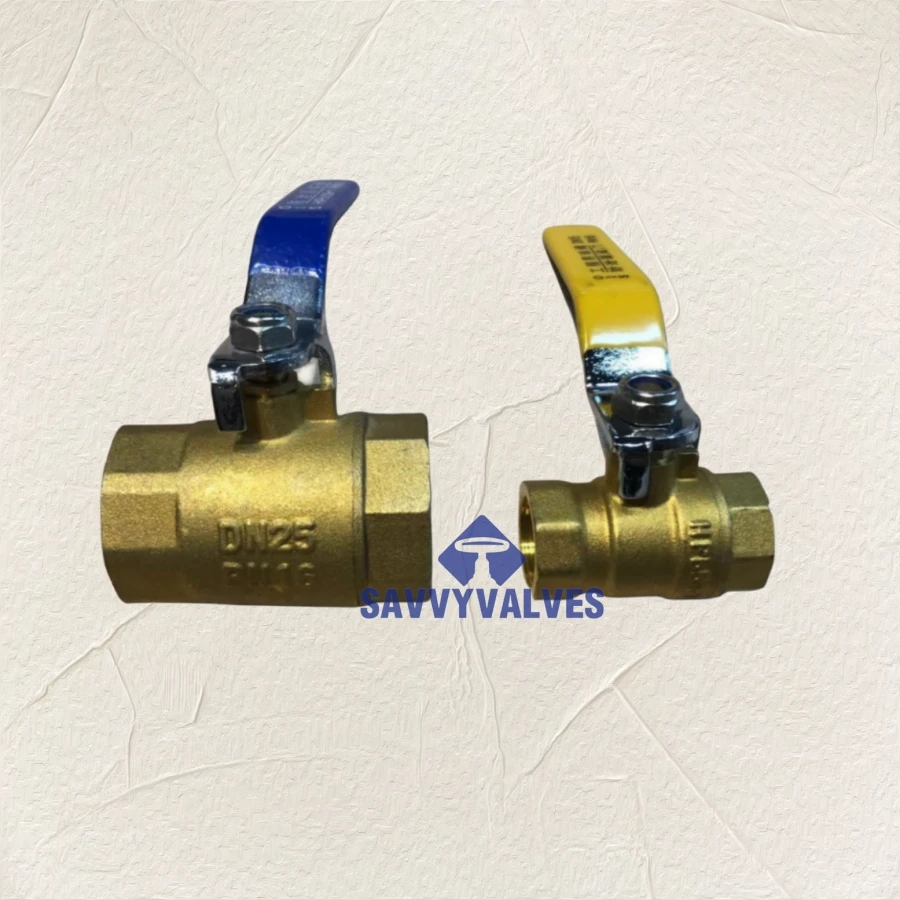
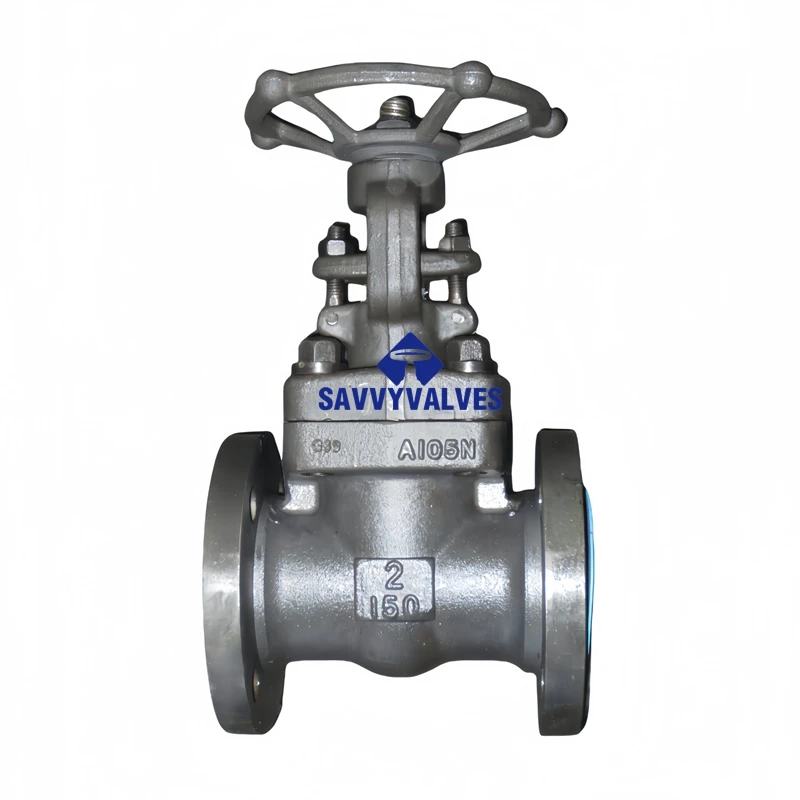
Different cryogenic valve types are suited for specific applications. Ball valves offer quick on/off operation and minimal pressure drop, ideal for isolation services. Gate valves provide excellent shut-off capabilities but are slower to operate. Globe valves are used for throttling and regulating flow, offering precise control. Butterfly valves are lightweight and cost-effective for large-diameter pipelines. Understanding the pros and cons of each type is crucial for optimal system performance. A qualified cryogenic valve manufacturer can provide expert guidance on valve selection based on your specific requirements.
Quality Control and Compliance Standards
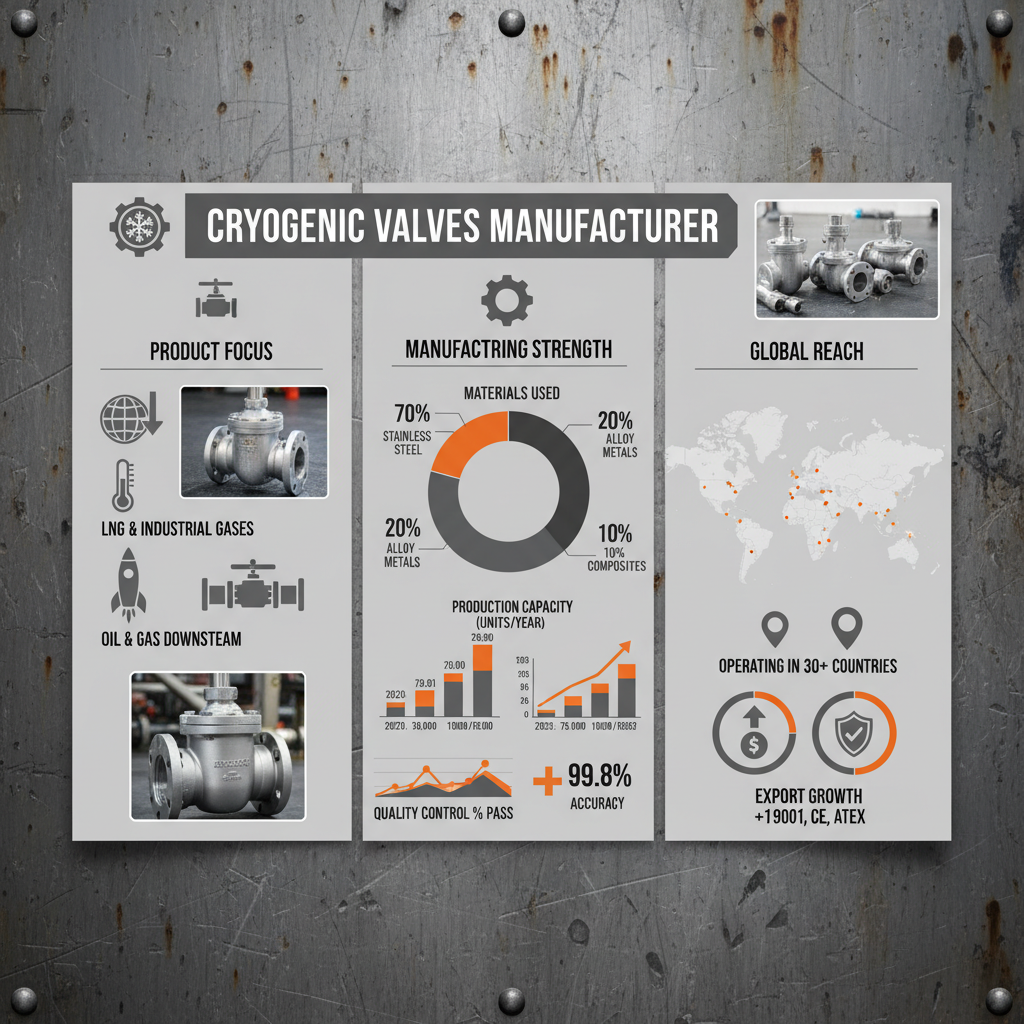
A reputable cryogenic valves manufacturer prioritizes stringent quality control measures throughout the manufacturing process. This includes material certification, non-destructive testing (NDT) methods like radiography and ultrasonic testing, and comprehensive hydrostatic testing. Furthermore, adherence to industry standards such as ASME, BS, and PED is critical. Compliance ensures the valves meet safety requirements and perform reliably in demanding cryogenic applications. Savvy Valve Tech is committed to maintaining the highest quality standards and regulatory compliance.
Selecting the Right Partner: Why Savvy Valve Tech?
Choosing the right cryogenic valves manufacturer is an investment in the safety and efficiency of your operations. Savvy Valve Tech offers a comprehensive range of cryogenic valves, custom engineering services, and unwavering commitment to quality. Our experienced team provides expert guidance to ensure you select the optimal valves for your specific application. We prioritize customer satisfaction and strive to deliver solutions that exceed expectations.
Conclusion: Ensuring Safety and Reliability with Expert Valve Solutions
Partnering with a dedicated and experienced cryogenic valves manufacturer like Savvy Valve Tech is paramount for achieving optimal performance, safety, and long-term reliability in your cryogenic applications. Don't compromise on quality – choose a partner you can trust.
Frequently Asked Questions (FAQs)
What materials are commonly used in cryogenic valve construction?
Cryogenic valves are typically constructed from stainless steels (304, 316L) and specialized alloys like Monel or Inconel, due to their excellent low-temperature properties and resistance to embrittlement. These materials maintain their strength and ductility at extremely cold temperatures, preventing failure. The specific material chosen depends on the cryogenic fluid being handled and the operating conditions. The selection is crucial to prevent corrosion or material degradation, which could lead to leaks or valve malfunction. Careful material selection is a hallmark of a quality cryogenic valves manufacturer.
What is the significance of an extended bonnet design in cryogenic valves?
An extended bonnet design isolates the valve stem and packing from the cryogenic fluid, preventing ice formation around the stem. Ice buildup can hinder valve operation and potentially damage the valve. The extended bonnet creates a thermal barrier, keeping the stem and packing warmer and ensuring smooth and reliable operation even at extremely low temperatures. This feature is essential for maintaining valve functionality and preventing operational issues in cryogenic applications. A reputable cryogenic valves manufacturer will always incorporate this design.
How important is testing and certification for cryogenic valves?
Testing and certification are paramount for ensuring the safety and reliability of cryogenic valves. Valves should undergo rigorous testing, including cryogenic temperature testing, pressure testing, and leak testing, to verify their performance under extreme conditions. Certification to industry standards like ASME or BS demonstrates compliance with safety regulations and quality standards. This provides assurance that the valves will perform as expected and minimize the risk of failure. Always look for certifications when selecting a cryogenic valves manufacturer.
What maintenance is required for cryogenic valves?
Regular inspection and maintenance are crucial for ensuring the long-term reliability of cryogenic valves. This includes visual inspection for leaks or damage, lubrication of valve components, and periodic testing of valve functionality. It's also important to ensure that the valve is properly insulated to prevent ice formation. Following the manufacturer's recommendations for maintenance and lubrication will help extend the valve's lifespan and prevent costly downtime. Savvy Valve Tech provides comprehensive maintenance guidelines and support.


 English