
Understanding Water Supply Check Valves: A Comprehensive Guide
A water supply check valve is a crucial component in any plumbing system, preventing backflow and ensuring the purity of your water. It’s a deceptively simple device with a significant role in maintaining safe and efficient water distribution. This article will delve into the workings of check valves, their various types, applications, and key considerations for choosing the right one for your needs. We'll also cover maintenance and troubleshooting tips. Understanding these valves is essential for plumbers, homeowners, and anyone involved in water system management.
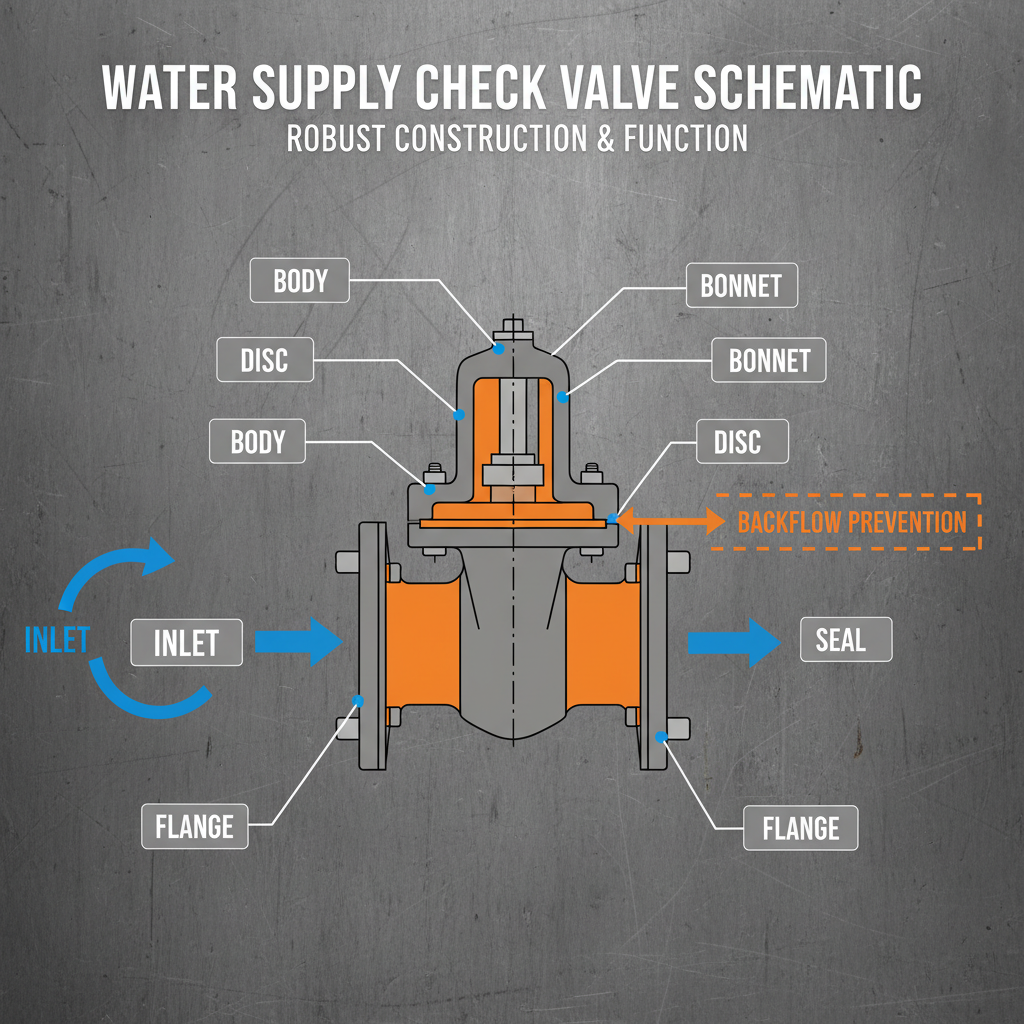
How Do Water Supply Check Valves Work?
The principle behind a check valve is straightforward: it allows water to flow in only one direction. This is typically achieved using a disc, ball, or swing mechanism that opens when water pressure pushes against it in the desired flow direction. When the pressure reverses – indicating backflow – the mechanism closes, effectively sealing the valve and preventing contaminated water from entering the clean supply. This one-way flow is crucial for protecting potable water sources from pollutants and maintaining system integrity. The core function of a water supply check valve is to guarantee unidirectional flow, a critical safety measure in any water system.
Key Benefit: Preventing backflow contamination and maintaining water system pressure.
Types of Water Supply Check Valves
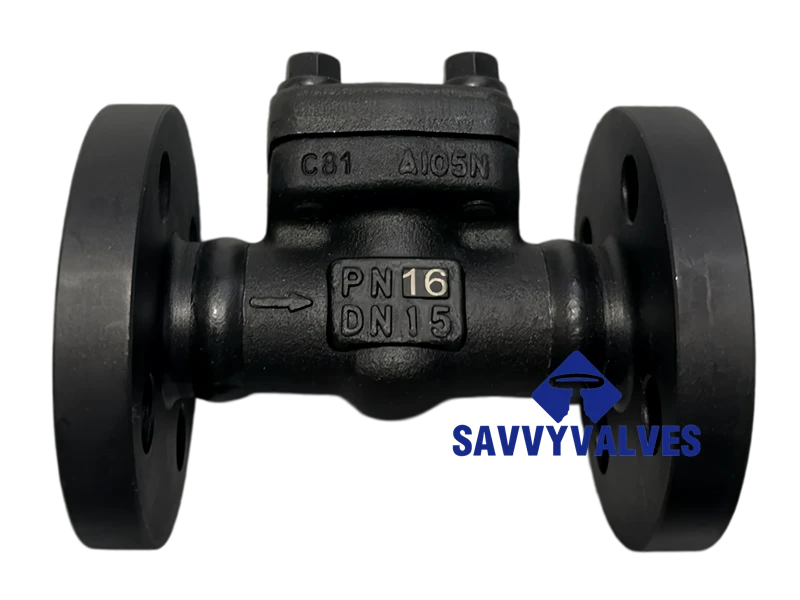
Several types of check valves are commonly used in water supply systems, each with its own advantages and disadvantages. The most prevalent include swing check valves, lift check valves, ball check valves, and spring check valves. Swing check valves utilize a hinged disc that swings open with flow and closes against the seat with gravity. Lift check valves employ a disc that lifts off the seat with flow. Ball check valves use a ball that rolls onto a seat to seal the flow. Spring check valves use a spring to assist in closing the valve, making them suitable for low-flow applications. The choice of valve depends on factors such as flow rate, pressure, and the type of fluid being handled.
Check Valve Type Comparison:
• Swing Check Valve: Low pressure drop, suited for larger pipes.
• Lift Check Valve: Good for high-pressure applications, requires more headroom.
• Ball Check Valve: Compact design, effective for low-flow rates.
• Spring Check Valve: Fast response, ideal for preventing water hammer.
Applications of Water Supply Check Valves
Check valves have a wide range of applications in water supply systems. They are commonly used in well pumps to prevent water from flowing back into the well when the pump shuts off. They are also installed in irrigation systems to maintain pressure and prevent backflow contamination of the water source. Furthermore, they are vital in sewage systems, preventing the backflow of waste into clean water lines. Residential plumbing systems frequently use check valves in sump pumps and water heater connections. A water supply check valve provides peace of mind by safeguarding water quality and preventing costly damage.
Choosing the Right Water Supply Check Valve
Selecting the appropriate check valve depends on several factors. Consider the flow rate and pressure of the system. The valve material should be compatible with the fluid being handled – for example, brass or stainless steel are commonly used for potable water. Also, consider the installation location and space constraints. Proper sizing is critical – an undersized valve will restrict flow, while an oversized valve may not close properly. You can find the best solutions for your needs at Savvy Valve Tech, where our team can help you navigate the options.
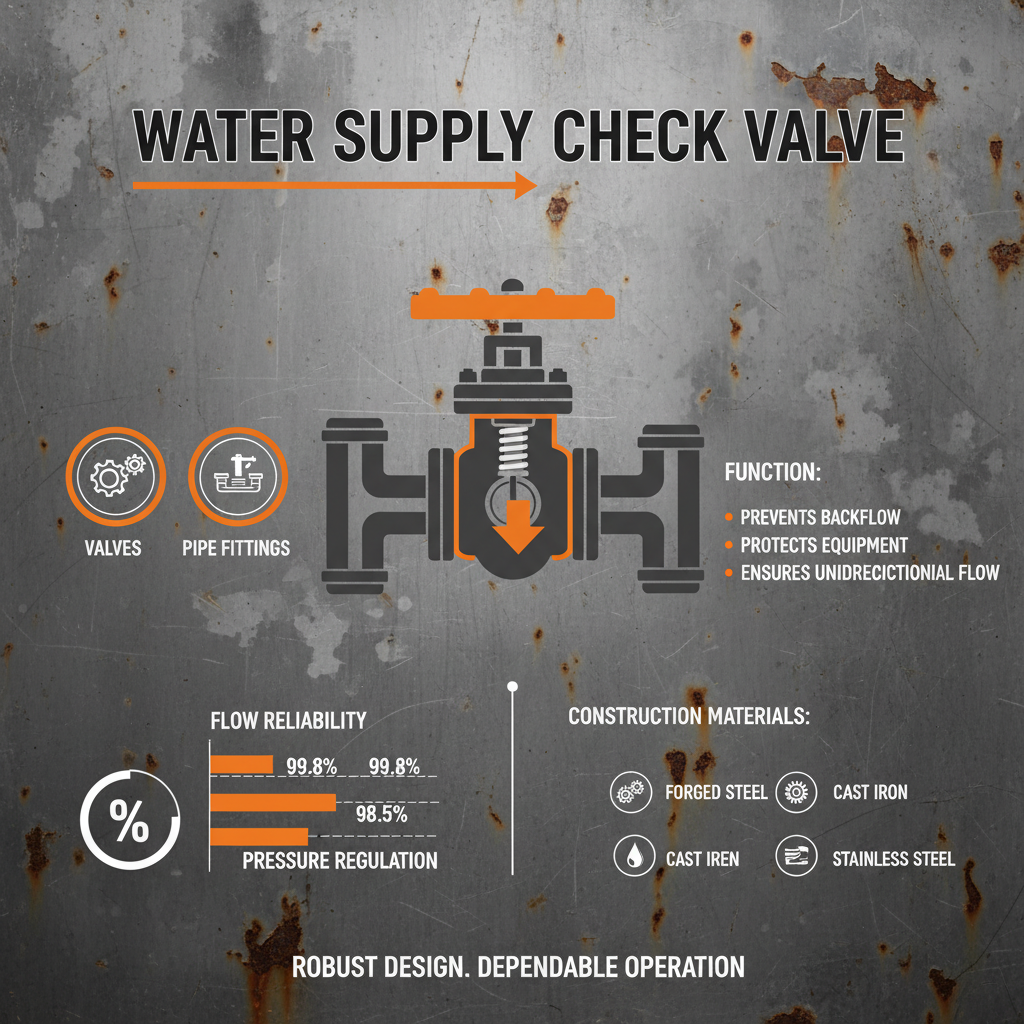
Maintenance and Troubleshooting
Regular inspection and maintenance are essential for ensuring the longevity and reliability of your check valves. Check for leaks, corrosion, and debris buildup. Periodically test the valve to ensure it’s closing properly. If a valve is stuck or malfunctioning, it may need to be cleaned or replaced. Ignoring problems can lead to backflow contamination and costly repairs. Savvy Valve Tech provides expert support and a wide range of replacement valves.
Conclusion: Protecting Your Water Supply with Reliable Check Valves
Investing in quality water supply check valves is a vital step in safeguarding your water system. Understanding the different types, applications, and maintenance requirements will empower you to make informed decisions and ensure the long-term safety and efficiency of your plumbing. Don't compromise on water quality – choose reliable check valves from a trusted supplier like Savvy Valve Tech.
Frequently Asked Questions (FAQs)
What materials are water supply check valves typically made from?
Water supply check valves are commonly manufactured from materials like brass, bronze, stainless steel, and PVC. Brass and bronze are popular choices for their corrosion resistance and durability. Stainless steel is preferred in applications requiring higher temperature resistance or compatibility with specific fluids. PVC is a lightweight and cost-effective option suitable for lower-pressure systems. The choice of material depends on the specific application, fluid compatibility, and budget.
How often should I inspect my check valves?
It's recommended to inspect your check valves at least once a year, or more frequently in harsh environments or high-demand applications. During inspection, look for signs of leaks, corrosion, or physical damage. Also, test the valve's operation to ensure it's closing properly. Regular inspections can help identify potential problems before they escalate into costly repairs.
What causes a check valve to fail?
Several factors can contribute to check valve failure. Debris buildup can obstruct the valve's moving parts, preventing it from closing properly. Corrosion can weaken the valve's components, leading to leaks or complete failure. Water hammer – sudden pressure surges – can also damage the valve. Improper installation or selecting the wrong type of valve for the application can also lead to premature failure. Regular maintenance and proper valve selection are crucial for preventing failures.
Can I repair a faulty check valve, or should I replace it?
In some cases, minor repairs, such as cleaning debris or replacing a worn seal, may be possible. However, if the valve is severely corroded, cracked, or damaged, it's generally best to replace it. Repairing a significantly damaged valve may only provide a temporary fix, and a new valve will ensure reliable performance and prevent potential backflow issues. Contact Savvy Valve Tech for expert advice on whether repair or replacement is the best option.


 English