
Choosing the Right Butterfly Valves Manufacturer for Industrial Excellence
In the complex world of fluid control, the efficiency of your piping system often depends on a single component: the valve. Finding a reliable butterfly valves manufacturer is not just about purchasing hardware; it is about securing a partnership that guarantees safety, longevity, and precision. Butterfly valves are prized for their compact design and quick operation, making them indispensable in everything from water treatment plants to chemical processing units. This guide will walk you through the technical nuances, selection criteria, and the industrial advantages of partnering with a professional manufacturer to optimize your operational flow.
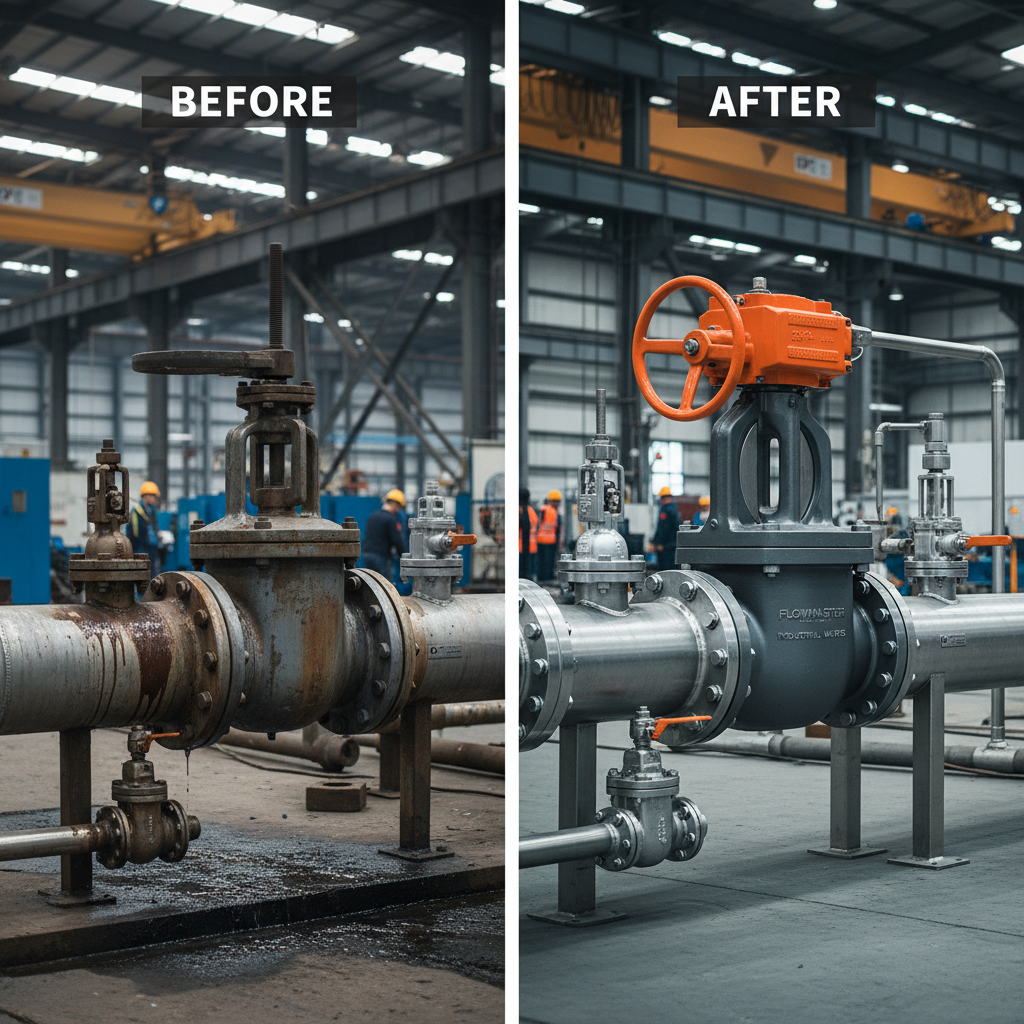
Core Engineering Standards of a Top Butterfly Valves Manufacturer
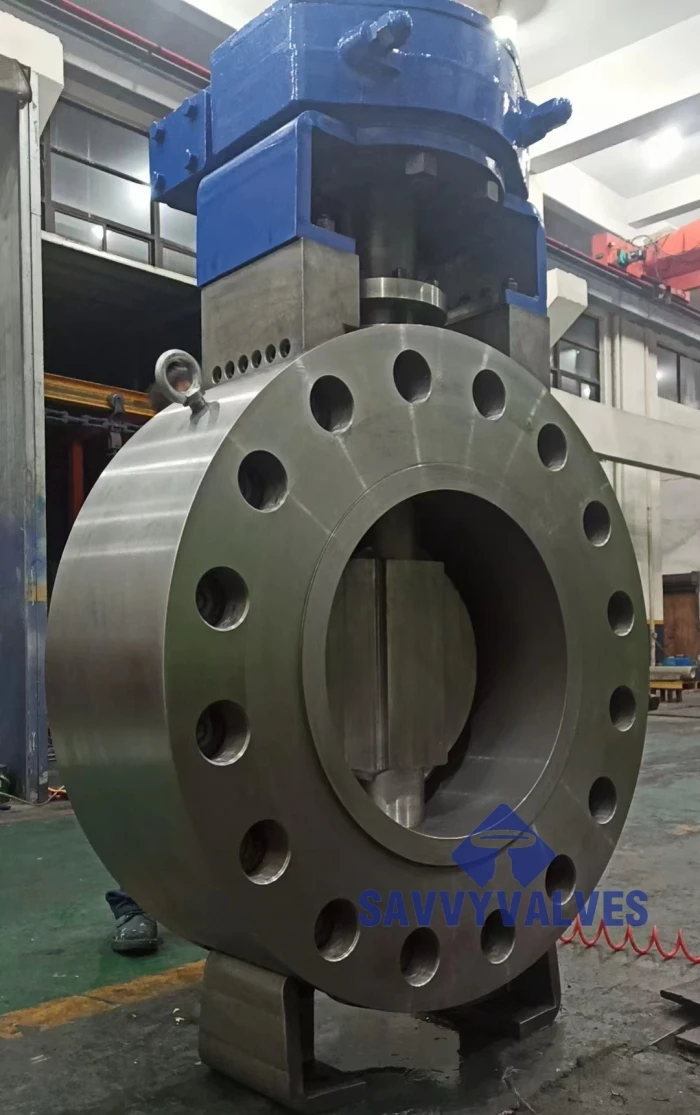
A professional butterfly valves manufacturer adheres to strict international standards to ensure that every unit can withstand high-pressure environments. The engineering focus typically centers on the disc-to-seat seal, which prevents leakage and ensures a bubble-tight shut-off. Whether it is a concentric, double-offset, or triple-offset design, the precision of the machining determines the valve's lifespan. High-grade materials such as stainless steel, ductile iron, and specialized polymers are used to resist corrosion and wear, ensuring that the system remains leak-free even under extreme thermal fluctuations.
Expert Insight: Triple-offset valves are particularly valued in critical applications because they provide a metal-to-metal seal that eliminates friction during opening and closing, drastically reducing maintenance costs.
Material Selection Guide for Different Industrial Media
Different industries require different materials to combat the specific nature of the fluids being transported. A seasoned butterfly valves manufacturer provides a variety of configurations to match these needs. For instance, EPDM liners are ideal for water applications, while PTFE is the gold standard for corrosive chemicals. Choosing the wrong material can lead to premature seal failure or catastrophic leaks, highlighting the importance of technical consultation during the procurement process.
Comparing Butterfly Valves with Ball Valves
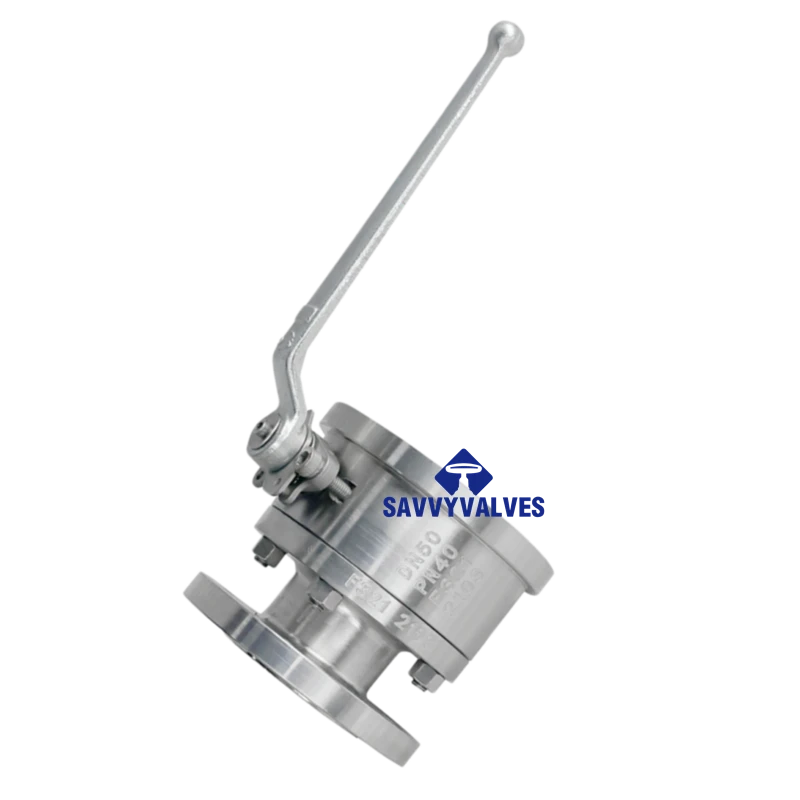
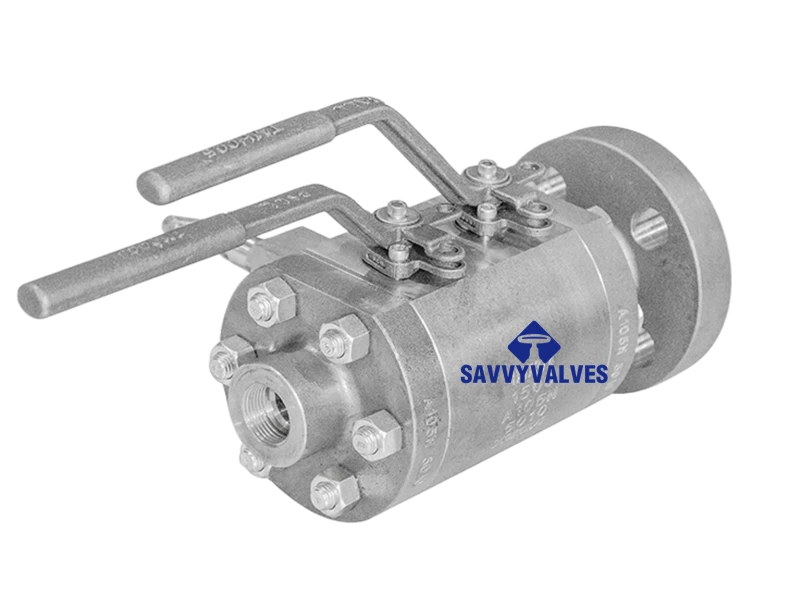
When sourcing from a butterfly valves manufacturer, clients often weigh these against ball valves. While ball valves provide an excellent seal and are robust, butterfly valves offer a significant advantage in space-saving and weight reduction. In large-diameter piping, a butterfly valve is substantially lighter and easier to install, which reduces the structural load on the piping system and lowers overall shipping and installation costs.
Technical Specifications for High-Performance Butterfly Valves
Understanding the technical data sheet is crucial for ensuring system compatibility. A leading butterfly valves manufacturer provides clear specifications regarding pressure ratings (PN), temperature limits, and torque requirements. The torque value is especially important for those integrating pneumatic or electric actuators, as it determines the power needed to rotate the disc effectively against the flow of the medium.
The Impact of Automation in Valve Manufacturing
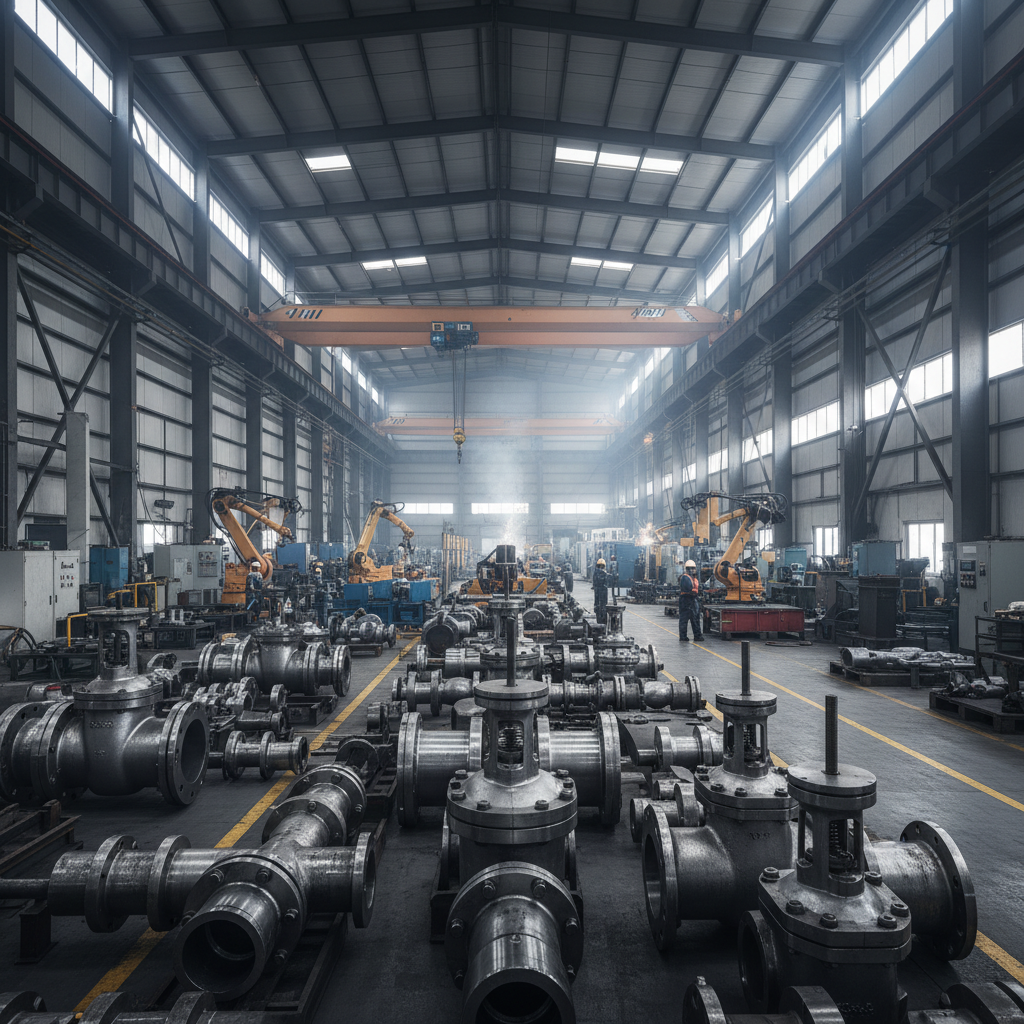
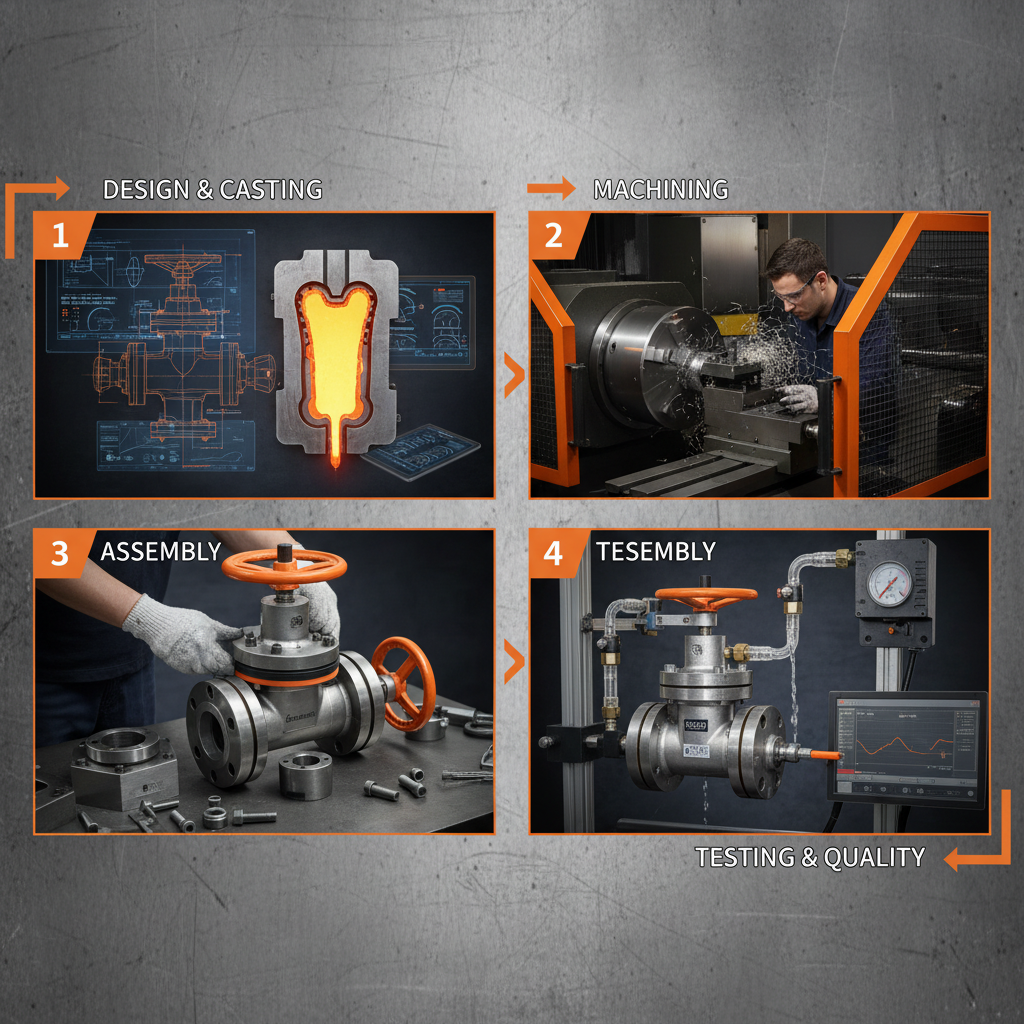
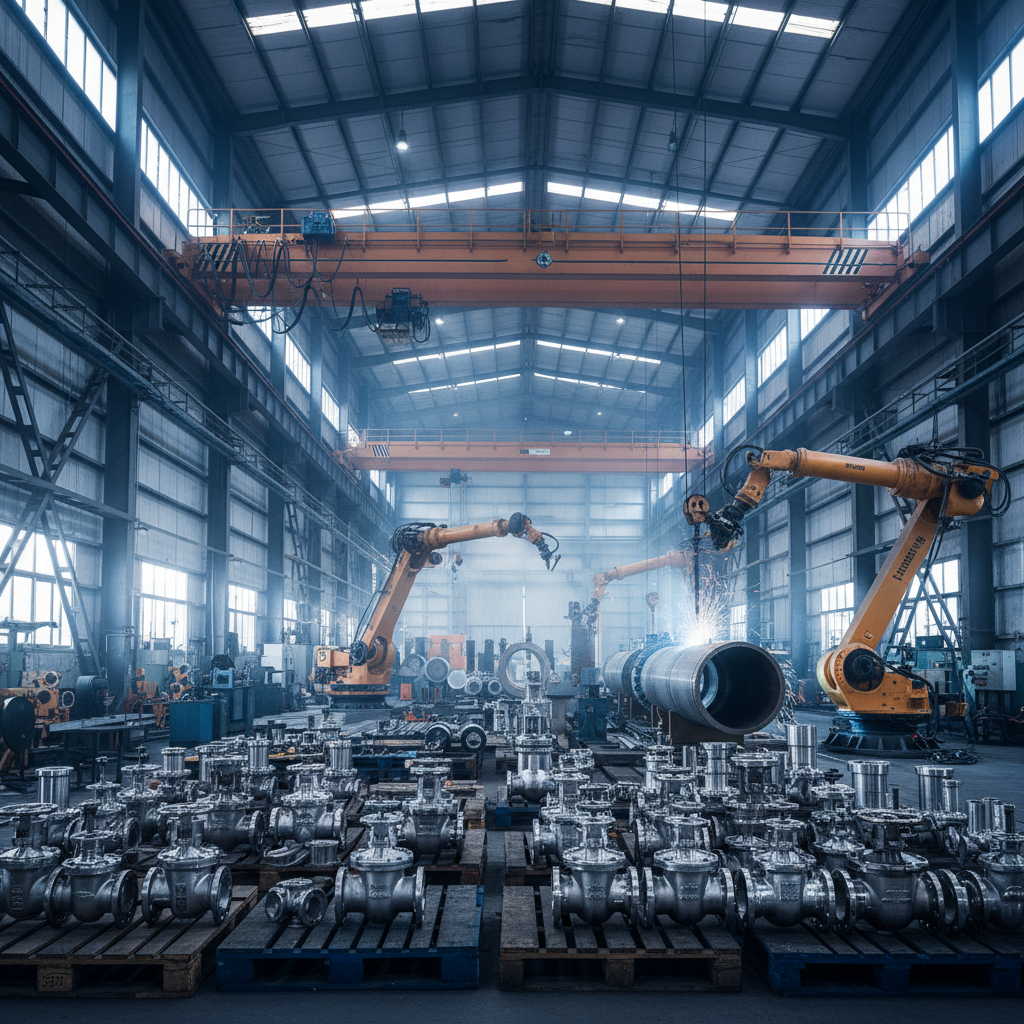
The modern butterfly valves manufacturer has embraced Industry 4.0. By integrating automated actuators—whether electric, pneumatic, or hydraulic—valves can now be controlled remotely via SCADA systems. This automation reduces human error, enables precise throttling for flow control, and allows for rapid emergency shut-offs. Furthermore, CNC machining in the factory ensures that the disc and seat maintain a micron-level tolerance, which is essential for high-vacuum or high-pressure services.
Maintenance Best Practices for Long-Term Reliability
Even the highest quality products from a premium butterfly valves manufacturer require periodic maintenance. Regular inspection of the seat for wear and lubrication of the stem is vital to prevent seizing. For valves in corrosive environments, checking the integrity of the liner is the priority. Implementing a predictive maintenance schedule based on the valve's cycle count can help industries avoid unplanned downtime and extend the service life of their infrastructure significantly.
Conclusion: Elevating Your Flow Control with Savvy Valve Tech
Selecting a professional butterfly valves manufacturer is a strategic decision that impacts the safety and efficiency of your entire operation. By focusing on material compatibility, engineering precision, and automation capabilities, you can ensure a system that is not only durable but also cost-effective over its entire lifecycle. Whether you are upgrading an existing plant or designing a new facility, investing in high-grade butterfly valves is the key to seamless fluid management. Trust in expertise, prioritize quality, and optimize your flow today.
Frequently Asked Questions (FAQs)
How do I choose between a concentric and a double-offset butterfly valve?
Concentric valves are typically used for low-pressure, non-critical applications like water or HVAC systems because they are simpler and more affordable. Double-offset valves, however, are designed for higher pressures and temperatures. The offset design reduces the contact between the disc and the seat during the opening and closing process, which minimizes wear and tear on the seal, making them a better choice for industrial chemicals or steam applications where longevity and tight sealing are critical.
Can a butterfly valve be used for throttling flow?
Yes, butterfly valves can be used for throttling, meaning they can regulate the flow rate by adjusting the angle of the disc. However, it is important to note that they are most efficient when fully open or fully closed. Constant throttling in high-velocity fluids can lead to cavitation or erosion of the disc edges over time. For precise control applications, we recommend partnering with a butterfly valves manufacturer that offers high-precision actuators and control valves specifically designed for modulation.
What are the most common causes of butterfly valve leakage?
The most common cause of leakage is the degradation of the seat liner, often due to chemical incompatibility or excessive wear from abrasive particles in the fluid. Another common issue is the accumulation of debris on the seal surface, which prevents the disc from seating fully. This is why selecting the correct liner material from your manufacturer is essential. Regular flushing of the system and periodic inspections can prevent these issues and maintain the valve's integrity over many years of service.
What is the difference between wafer and lug type butterfly valves?
Wafer valves are sandwiched between two pipe flanges and are held in place by a single set of bolts. They are compact and lightweight, making them ideal for space-constrained areas. Lug valves, on the other hand, have threaded "lugs" that allow them to be bolted directly to the flange. The primary advantage of a lug valve is that it allows for "dead-end service," meaning you can disconnect the piping on one side of the valve without the fluid escaping, which is a critical safety feature during maintenance.


 English