
Compare two nylon-coated U-section butterfly valves by size range, pressure rating, materials, interfaces, actuation, and maintenance considerations. The first suits buyers working with larger valves and PN6 to PN25 requirements, while the second covers 14 to 80 inch designs with PN6 to PN20 ratings and a replaceable cartridge rubber seat.

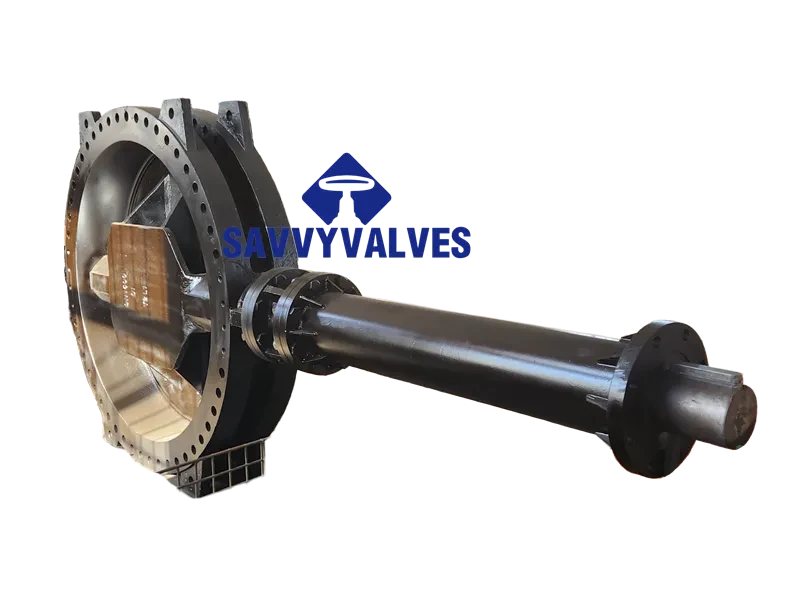
Nylon Coated U Section Double Flange Butterfly Valve
U Section Flange Butterfly Valve Nylon Coated
A butterfly valve double flange selection should begin with the line size, pressure class, connection standard, and service medium. The two nylon-coated U-section designs compared here share water, oil, and gas applications, but their stated size ranges, pressure ranges, material options, and seat arrangements differ.
Quick comparison
| Criterion | Nylon Coated U Section Double Flange Butterfly Valve | U Section Flange Butterfly Valve Nylon Coated |
|---|---|---|
| Size range | 28 inches and above | 14 to 80 inches |
| Pressure rating | PN6 to PN25 | PN6 to PN20 |
| General applications | Water, oil, gas | Water, oil, gas |
| Design and manufacture | API 609 basic design | API 609, BS 5155, EN593 basic design |
| Face-to-face dimensions | API 609, ASME B16.10, BS EN 558 | API 609, ASME B16.10, BS EN 558 |
| Connection options | ASME B16.5, EN 1092, JIS 5K to 20K, BW, RTJ | ASME B16.5, EN 1092, JIS 5K to 20K, BW, RTJ |
| Actuation | Gear unit | Gear unit |
| Seat | EPDM, NBR, BUNA-N, or VITON | EPDM, NBR, or VITON |
| Stem options | 13CR, SS304, SS316, F51, F53, F55, 17-4PH, INCONEL 718, or MONEL K-500 | 13CR, SS304, SS316, XM-19, 17-4PH, INCONEL 718, or MONEL K-500 |
| Safety design | Anti-blowout stem | Anti-blowout stem |
Where the two valves differ
The size and pressure ranges create the clearest purchasing split. The double flange model starts at 28 inches and extends to PN25, so it fits a project whose valve schedule includes large line sizes and a PN25 requirement. The U Section Flange model begins at 14 inches and reaches 80 inches, with a pressure range up to PN20. A buyer should match the actual line size and pressure class before comparing material choices.
The body and disc combinations also differ in the listed sample specifications. The double flange model shows an ASTM A536 ductile iron body and an ASTM A536 ductile iron disc with nylon coating. Its sample stem is SS416, its seat is EPDM, and its taper pin is DSS F51. The U Section Flange model shows an ASTM A395 body, an ASTM A536 65-45-12 disc with NYLON11 coating, an SS316 stem, and an EPDM seat. Both sample configurations use a gear actuator.
The second valve includes a replaceable cartridge rubber seat. That arrangement matters during maintenance planning because the seat is identified as a replaceable cartridge in its design description. The first valve lists several seat materials, including BUNA-N, which can be relevant when the specified service requires that option. Seat selection still needs to follow the process medium and operating conditions.
Interface and installation checks
Both valves list ASME B16.5, EN 1092, and JIS 5K to 20K connection options. Both also list BW and RTJ connections. This gives a piping engineer the same connection families to check at the interface, while the selected valve still needs to match the project drawings and flange details.
Face-to-face dimensions for both designs include API 609, ASME B16.10, and BS EN 558. Before ordering, compare the selected size and face-to-face dimension with the existing spool or the new piping layout. For a large replacement valve, measure the available installation length and confirm that the gear unit has operating clearance.
The anti-blowout stem is listed for both products. Each design uses a gear unit in the stated product description, so the operator arrangement should be included in the installation review. Send the line size, pressure class, connection standard, face-to-face dimension, and actuator access space with the purchase request.
Maintenance considerations
Both designs list EPDM and VITON seat options, while the first also lists NBR and BUNA-N and the second identifies a replaceable cartridge rubber seat. For routine maintenance, keep the selected seat material and the valve size tied to the equipment record. The second design gives maintenance planners a specific cartridge-seat arrangement to include in the spare-parts plan.
The two products also list broad stem material choices. The first sample uses SS416, while the second sample uses SS316. If the order requires a different stem material, identify it with the valve size, seat material, pressure rating, and connection details so the configuration is clear.
Both product descriptions list hydraulic shell and seal testing and a low-pressure air test, along with API598 and API6D inspection and approval norms. They also list chemical analysis and mechanical testing for raw materials from each heat number, casting DPT, and additional MT, UT, or RT options. Include the required inspection points in the order review.
Which option fits which buyer?
Choose the Nylon Coated U Section Double Flange Butterfly Valve when the project starts at 28 inches, requires a rating up to PN25, or needs the listed DSS F51 taper pin and broader seat selection. Its stated configuration is a practical match for a large water, oil, or gas line where those requirements are already defined.
Choose the U Section Flange Butterfly Valve Nylon Coated when the valve schedule includes 14 to 80 inch sizes, a rating up to PN20, or a replaceable cartridge rubber seat. Its SS316 sample stem and NYLON11-coated disc are useful reference points for a buyer preparing a specific configuration.
Before requesting a quotation, send the line size, pressure rating, medium, flange standard, face-to-face dimension, seat material, stem material, actuation requirement, and inspection plan. These details let the supplier align the valve with the piping and maintenance records.
The people

About the author
The company
SAVVY VALVES CO.,LTD.
Savvy Valves – Engineering Excellence in Valve Solutions for Global Industries As a globally recognized leader in industrial valve manufacturing, Savvy Valves (formerly International Machinery Development Inc.) combines decades of engineering expertise with cutting-edge production capabilities to deliver high-performance, reliable valve solutions for the world's most demanding applications.…
About Us ↗Visit company website ↗Your next step
Bring your brief. Start a useful conversation.
Use case, specification, quantity and delivery window: make the next conversation specific.




 English
 French