
The China International Fluid Machinery Exhibition (CFME) has become one of the most influential events for the fluid machinery industry, bringing together manufacturers, engineers, project developers, and technology providers from around the world. As industries continue to invest in LNG infrastructure, industrial gas systems, hydrogen energy projects, and petrochemical facilities, the demand for advanced flow control technologies is increasing rapidly. Among the products receiving significant attention, cryogenic valves have become essential components for applications that operate under extremely low-temperature conditions.
Performance has emerged as one of the most important topics across the cryogenic valve sector. Operators are no longer focused solely on valve functionality; they are increasingly evaluating reliability, sealing integrity, service life, safety, and maintenance costs. As a result, manufacturers are investing heavily in engineering innovation, advanced materials, and precision manufacturing to deliver cryogenic valve solutions capable of performing in some of the world's most demanding environments.

Performance Requirements Are Driving Growth in the Cryogenic Valves Market
The global cryogenic equipment industry continues to expand as investments increase across LNG production, transportation, storage, and regasification facilities. The rapid development of hydrogen energy infrastructure and industrial gas applications is creating additional opportunities for cryogenic technologies.
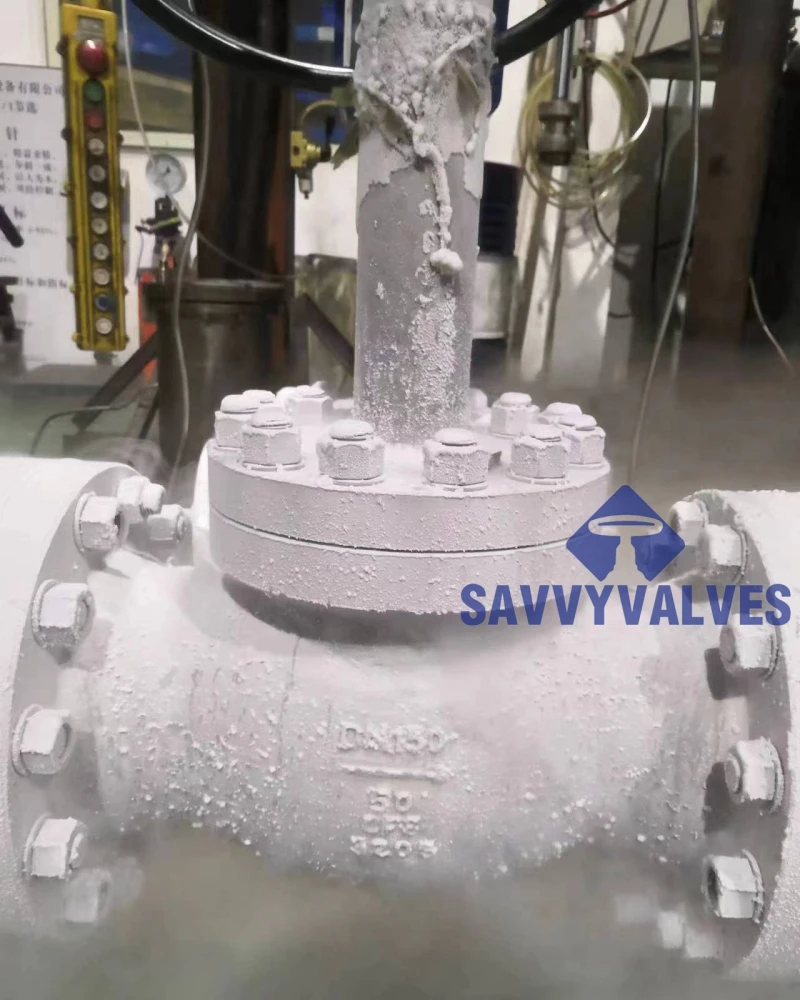
Cryogenic systems typically handle liquefied gases such as LNG, liquid nitrogen, liquid oxygen, liquid argon, and liquid hydrogen. These media operate at extremely low temperatures that can reach as low as -196°C. Under such conditions, conventional valve designs may experience material contraction, seal degradation, and performance instability. This makes specialized cryogenic valve design essential for safe and reliable operation.
As global demand for clean energy solutions continues to rise, LNG remains an important transitional fuel for many economies. New LNG terminals, storage facilities, and transportation networks are being developed across Asia, Europe, the Middle East, and North America. At the same time, growing investment in hydrogen projects is driving demand for equipment capable of maintaining reliable performance under severe low-temperature conditions.
The increasing complexity of these projects has placed greater emphasis on valve performance. Operators require cryogenic valves that can maintain tight shutoff capability, resist thermal stress, minimize leakage, and provide long service life even after repeated temperature cycling.
According to recognized industry standards and engineering practices for cryogenic applications, proper material selection, testing procedures, and valve design are critical factors in ensuring long-term operational reliability. Industry organizations continue to develop and promote standards that support safe valve operation in low-temperature environments through comprehensive performance requirements and testing methodologies. Cryogenic valve design requirements remain a key consideration for manufacturers serving the LNG and industrial gas sectors.
China International Fluid Machinery Exhibition Highlights Advanced Valve Technologies
CFME serves as an important platform for showcasing the latest developments in fluid machinery, industrial valves, pumps, compressors, pipelines, and automation systems. The exhibition attracts industry professionals seeking technologies that improve efficiency, safety, sustainability, and operational reliability.
As energy infrastructure becomes increasingly sophisticated, the exhibition highlights solutions that address emerging challenges in flow control. Cryogenic valves have become a major area of interest because of their growing role in LNG facilities, hydrogen projects, industrial gas production plants, and low-temperature chemical processing systems.
At recent editions of CFME, industry discussions have focused on improving equipment performance, reducing maintenance requirements, and enhancing lifecycle value. These priorities align closely with the evolving needs of operators managing large-scale cryogenic facilities.
Manufacturers are responding by developing advanced valve solutions that incorporate precision engineering, specialized materials, enhanced sealing technologies, and rigorous testing procedures. These innovations are helping facilities achieve higher levels of operational reliability while supporting increasingly demanding process conditions.
Why Performance Matters in Cryogenic Valve Applications?
Performance is particularly important in cryogenic applications because of the unique challenges associated with extreme low-temperature environments.
When liquefied gases flow through a valve system, metal components contract as temperatures decrease. If materials are not selected properly, mechanical properties may deteriorate, increasing the risk of cracking or failure. Seal performance can also be affected by thermal contraction, potentially leading to leakage and reduced operational efficiency.
Cryogenic valves must therefore be designed to maintain reliable sealing performance despite significant temperature fluctuations. In LNG facilities, for example, valves may be subjected to repeated thermal cycling as systems start up, shut down, and operate under varying load conditions.
Applications involving liquid oxygen and liquid hydrogen often impose even stricter safety requirements. Any leakage can create operational hazards and negatively affect plant performance. As a result, operators prioritize valve designs that provide consistent sealing integrity, low fugitive emissions, and dependable long-term operation.
The ability to withstand thermal stress is another critical performance factor. Components must maintain structural integrity without compromising flow control characteristics or shutoff capability. This is particularly important in large-scale energy infrastructure projects where valve reliability directly influences productivity and safety.
Global Leading Cryogenic Valves Supplier Supports Demanding Industrial Projects
As a Global leading cryogenic valves supplier, Savvy Valves combines decades of manufacturing experience with advanced engineering capabilities to support customers operating in challenging low-temperature environments.
The company serves a wide range of industries, including LNG, industrial gases, petrochemicals, energy infrastructure, power generation, and process manufacturing. Through a comprehensive portfolio of industrial valves and customized flow control solutions, Savvy Valves helps customers address complex operational requirements while maintaining high standards of safety and performance.
More than 30 years of manufacturing expertise and extensive experience serving international markets have enabled the company to develop a deep understanding of critical valve applications. This knowledge supports the development of products that deliver reliable performance under demanding operating conditions.
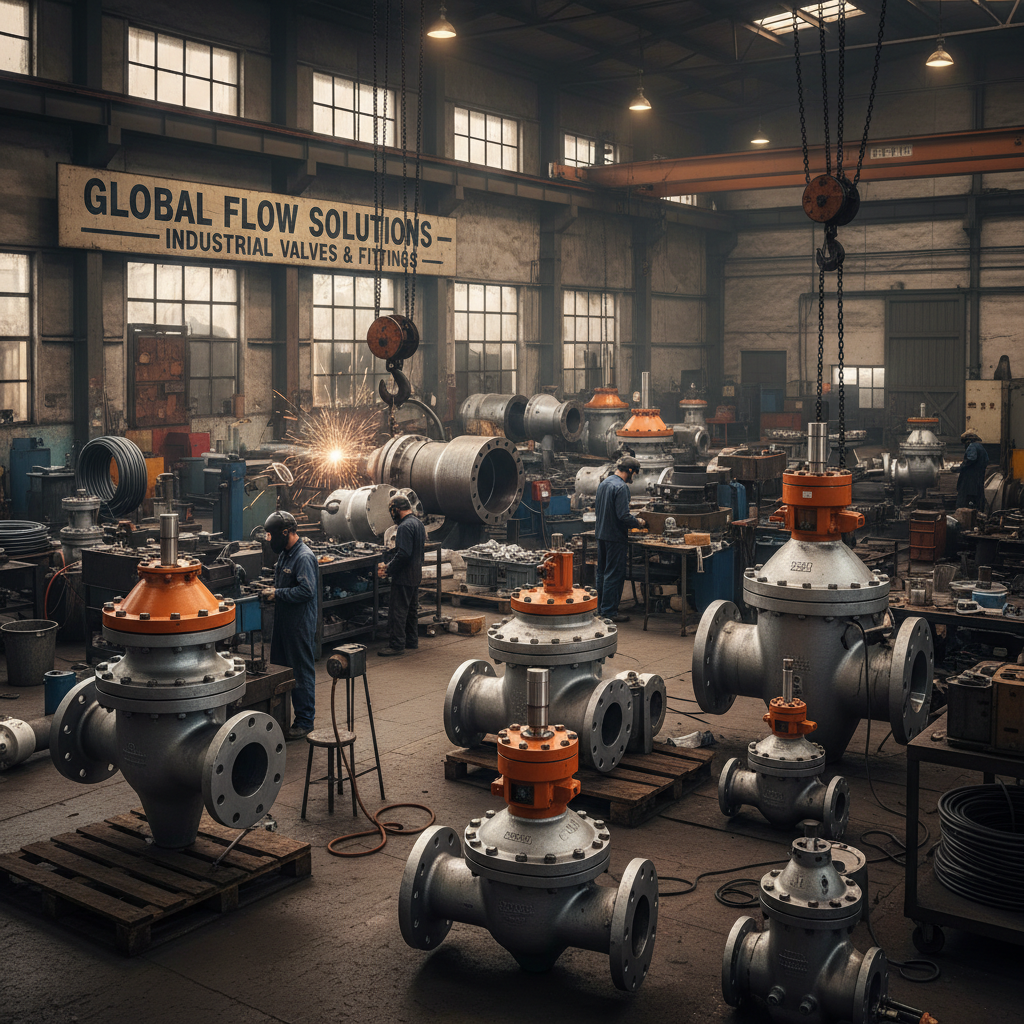
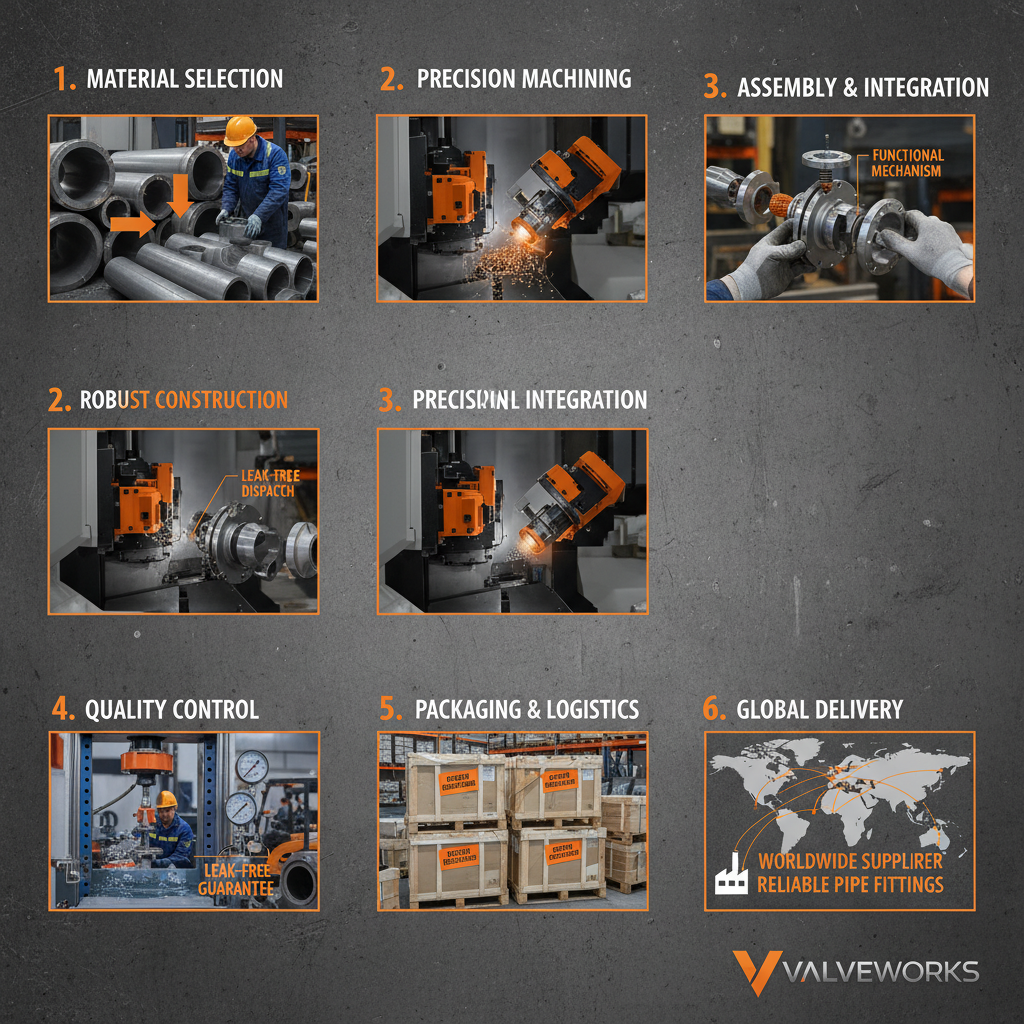
By maintaining vertically integrated manufacturing operations, Savvy Valves controls key production processes including machining, assembly, inspection, and testing. This approach helps ensure product consistency while providing flexibility for customized project requirements.
Advanced Engineering Improves Cryogenic Valve Performance
The performance of a cryogenic valve depends heavily on its engineering design. Every aspect of the valve must be optimized to withstand low-temperature operating conditions while maintaining reliable flow control.
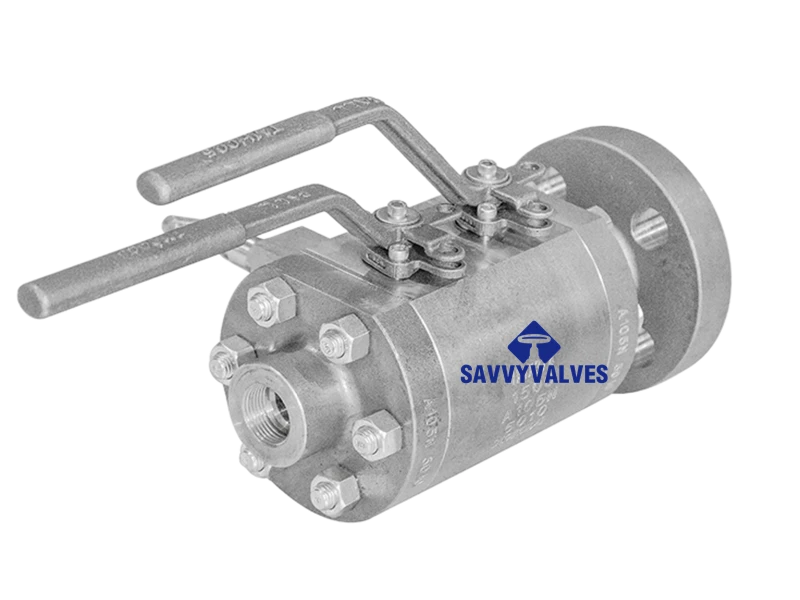
One of the most important design features is the extended bonnet structure. This configuration helps isolate packing materials from extreme temperatures, reducing the risk of leakage and improving long-term sealing performance.
Precision machining also plays a vital role in cryogenic valve reliability. Tight manufacturing tolerances help ensure proper sealing surface contact, minimizing leakage and improving operational consistency.
Advanced sealing technologies contribute further to performance improvements. Specialized seat materials are selected based on their ability to maintain sealing characteristics despite thermal contraction and repeated temperature cycling.
Many cryogenic valve designs also incorporate fire-safe construction, anti-static features, and low-emission technologies. These capabilities help improve operational safety while supporting compliance with increasingly stringent industry requirements.
To verify product reliability, manufacturers perform extensive testing under simulated operating conditions. These procedures help ensure compliance with recognized industrial valve performance standards and confirm that valves can withstand the challenges associated with cryogenic service.
Material Selection Plays a Critical Role in Reliability
Material performance becomes increasingly important as operating temperatures decrease.
Cryogenic valves often utilize austenitic stainless steels because of their excellent toughness and mechanical stability at extremely low temperatures. These materials maintain structural integrity while providing strong resistance to corrosion and thermal stress.
Specialized alloys may also be used in critical components depending on application requirements. Material selection is based on factors such as operating temperature, process media, pressure conditions, and service life expectations.
Properly selected materials help prevent brittle fracture, reduce maintenance requirements, and extend equipment lifespan. In LNG and industrial gas facilities where continuous operation is essential, these benefits can significantly improve overall plant performance.
Advanced material technologies also contribute to lower lifecycle costs by minimizing unexpected failures and reducing downtime associated with maintenance activities.
Project Example Demonstrates Reliable Performance in LNG Service
A recent LNG infrastructure project required cryogenic valves capable of maintaining reliable sealing performance under continuous low-temperature operating conditions approaching -196°C.
The customer required equipment that could provide long service life, minimal leakage, and stable operation despite repeated thermal cycling. Reliability was particularly important because the facility operated continuously and maintenance interruptions could result in significant operational costs.
Savvy Valves supplied customized cryogenic valve solutions engineered specifically for the project's operating conditions. Carefully selected low-temperature materials were combined with precision-machined sealing components and advanced manufacturing processes to optimize performance.
Extensive testing was conducted before delivery to verify sealing integrity, pressure resistance, and operational reliability under simulated cryogenic conditions. Following installation, the valves demonstrated stable performance, reduced maintenance requirements, and consistent operation throughout the facility.
The project highlighted the importance of engineering expertise, material selection, and quality control in achieving successful outcomes for demanding cryogenic applications.
The future of the cryogenic valve industry will be shaped by ongoing investments in LNG infrastructure, hydrogen energy systems, industrial gas production, and low-temperature processing facilities. As these sectors continue to expand, the need for reliable, high-performance cryogenic valves will become even more important.
CFME continues to provide an important platform for showcasing the technologies driving this evolution. The exhibition highlights how advances in engineering, materials science, manufacturing precision, and testing capabilities are improving the performance of modern cryogenic valve solutions.
As global demand for LNG, hydrogen, and industrial gas infrastructure continues to increase, operators will continue seeking equipment capable of delivering exceptional reliability under extreme conditions.
As a global leading cryogenic valves supplier, Savvy Valves remains committed to supporting these evolving requirements through advanced engineering, strict quality control, and customized valve solutions. To learn more about our cryogenic valve technologies, manufacturing capabilities, and project experience, visit https://www.savvyvalvestech.com/ and discover how our team can support your next low-temperature application.







 English
 French